
Trees
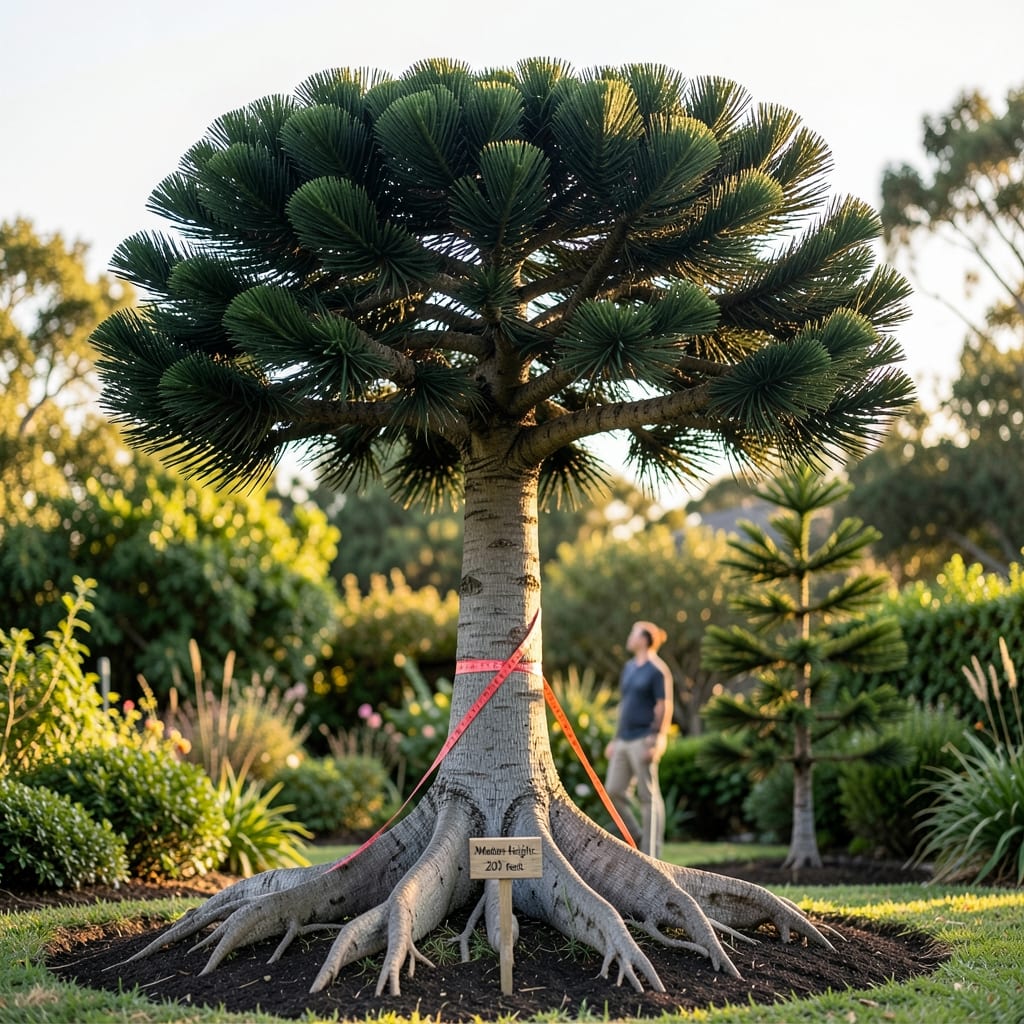
Ever stared at a towering 🎄 Christmas Tree and wondered just how tall these giants can grow? The answer might surprise you—some varieties can reach a staggering 70 feet or more under ideal conditions, while others stay perfectly manageable with the right care.
If you're dreaming of a backyard tree that rivals the skyline or struggling to keep a smaller specimen from outgrowing your space, you're not alone. The key lies in understanding which species grow fastest and how simple pruning tricks can control their height—whether you want a 6-foot tabletop tree or a 20-foot backyard statement piece.
From the towering Douglas fir to the more compact Scotch pine, each variety has its own growth pattern. I’ll break down the fastest-growing species, how climate and soil affect their height, and the best pruning techniques to shape your tree exactly how you want it—without sacrificing its beauty.
Ready to transform your yard into a Christmas tree haven? Let’s dive into the secrets of managing these magnificent trees, so you can enjoy the perfect holiday centerpiece every year—no matter how tall (or short) you want it to be.


Fastest-growing Christmas tree species and their maximum heights
When it comes to Christmas tree heights, some varieties can grow taller than a 6-story building, while others stay compact enough for small yards. The fastest-growing species often reach 70 feet or more under ideal conditions, but their growth depends heavily on climate, soil quality, and care.
For example, the Douglas fir is one of the fastest growers, reaching 60 to 70 feet in just 20 years. Meanwhile, the Norway spruce can hit 50 to 60 feet in the same timeframe. These giants thrive in cool climates with rich, well-draining soil, but even they can be managed with the right techniques.
If you're curious about the tallest Christmas trees and how to encourage (or control) their growth, here’s a breakdown of the fastest-growing varieties and their natural height limits:
| Variety | Natural Height (ft) | Growth Rate (ft/year) | Ideal Climate |
|---|---|---|---|
| Douglas Fir | 60–70 ft | 2–3 ft/year | Cool, moist climates |
| Norway Spruce | 50–60 ft | 1.5–2.5 ft/year | Temperate zones |
| Fraser Fir | 40–50 ft | 1–2 ft/year | Mountainous regions |
| Scotch Pine | 30–40 ft | 1–1.5 ft/year | Dry, sunny areas |
| Eastern White Pine | 50–70 ft | 2–3 ft/year | Humid continental |
🌱 Note: Heights vary based on growing conditions and pruning practices.
The Douglas fir and Eastern white pine are the fastest growers, often adding 2–3 feet per year in optimal conditions. Meanwhile, the Fraser fir and Scotch pine grow more slowly but still reach impressive heights with proper care.
Climate plays a huge role in height. For instance, cool, moist climates like the Pacific Northwest are perfect for Douglas firs, while dry, sunny areas suit Scotch pines. If you’re in a warmer zone, consider slower-growing varieties like the Blue Spruce, which tops out around 30–40 feet but thrives in heat.
Soil quality also impacts growth. Well-draining, nutrient-rich soil helps trees reach their full potential, while poor soil or waterlogging can stunt their height. If your yard has clay-heavy or rocky soil, amending it with compost or mulch can make a big difference.
For those who love the idea of a towering Christmas tree but have limited space, consider container-grown trees. These are pruned regularly to stay at 6–8 feet tall, making them perfect for patios or small yards. However, they require annual root pruning to prevent overgrowth.
If you’re planting a tree for the long term, think about its mature height and how it will fit into your landscape. A 70-foot Douglas fir might be stunning, but it’ll need plenty of space—and maybe some pruning tricks—to keep it manageable.
Ready to learn how to control your tree’s height with pruning? Stay tuned for my next section on the best techniques to shape your Christmas tree exactly how you want it—whether you’re aiming for a 6-foot tabletop tree or a 20-foot backyard giant.
Pruning and maintenance tricks to control Christmas tree height
If you’re dreaming of a Christmas tree that fits perfectly in your space—whether it’s a 6-foot tabletop tree or a 20-foot backyard giant—pruning is your secret weapon. The right techniques can slow growth, encourage fuller foliage, and even shape your tree into a stunning holiday centerpiece. But be careful: pruning too much can stress the tree, while pruning too little lets it grow wild and unmanageable.
One of the most effective methods is crown thinning, where you remove select branches to improve airflow and light penetration. This encourages the tree to grow wider rather than taller. For example, if you’re aiming for a compact Christmas tree, focus on trimming the lower branches first—this redirects energy upward, keeping the top full while controlling height.
🌱 Pro Tip: Always prune in late winter or early spring (just before new growth starts). Avoid heavy pruning in fall, as this can leave the tree vulnerable to cold and pests.
⚠️ Warning: Avoid Topping Your Tree!
Cutting the top of the tree (topping) may seem like a quick way to reduce height, but it causes stunted growth and unsightly "water sprouts." Instead, use selective pruning to shape the tree naturally.
For container-grown Christmas trees, root pruning is essential to keep them manageable. Every 2–3 years, gently trim the roots with a sharp knife to encourage a denser root ball. This slows height growth while keeping the tree sturdy enough for indoor display. Pair this with annual pruning of the top branches to maintain your desired height.
If you’re growing a large Christmas tree for outdoor display, focus on structural pruning to remove weak or crossing branches. This not only controls height but also improves the tree’s overall health and longevity. For example, the Douglas fir benefits from light pruning every 2–3 years to maintain its natural shape while preventing it from becoming too tall for your yard.
Seasonal care also plays a role. In summer, water deeply but avoid overwatering, which can lead to weak, leggy growth. In winterdehydration by wrapping the trunk with burlap if your climate is harsh. These small steps make a big difference in keeping your tree at the perfect height.
With the right pruning techniques, you can enjoy a Christmas tree that’s just the right size for your space—whether that’s a cozy 6-footer or a grand 20-footer. The key is patience and consistency. Start with light pruning, observe how the tree responds, and adjust as needed. Before you know it, you’ll have the perfect tree for your holiday decor—without the stress of an unruly giant.