
Size
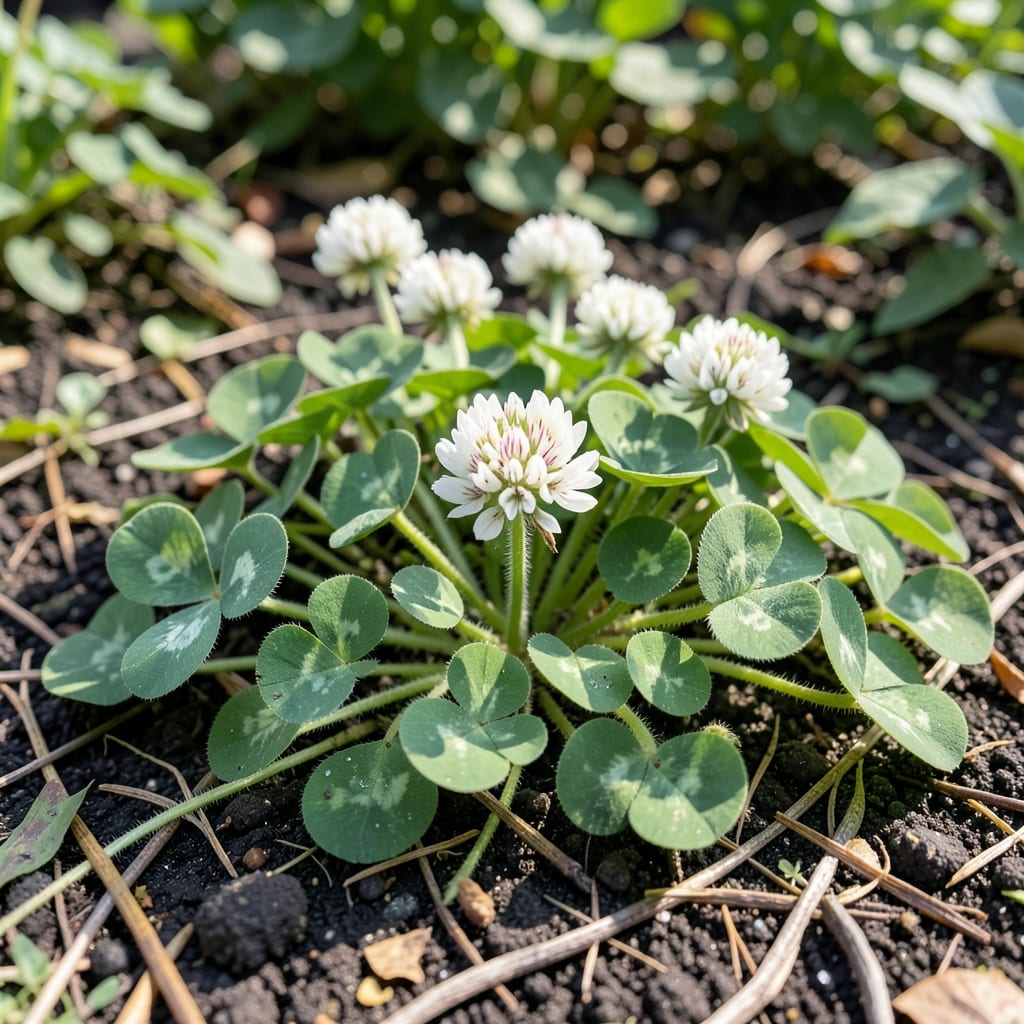
If you’ve ever spotted clover 🌱 popping up unexpectedly in your lawn or garden, you might’ve wondered just how tall it can grow. The answer isn’t one-size-fits-all—some varieties stay low and tight, while others stretch toward your knees, creating a lush green carpet. Whether you’re dealing with wild clover taking over or cultivating it for soil health, understanding its growth habits is the first step to managing it effectively.
Most gardeners assume clover is just a small, unassuming plant, but the truth is far more interesting. White clover, for example, typically stays between 2 and 6 inches tall, making it perfect for lawns where you want a touch of green without the height. On the other hand, red clover can shoot up to 12 to 24 inches, turning into a striking, flower-filled stand that attracts pollinators. The difference comes down to sunlight, soil quality, and even how you prune it.
But here’s the kicker: clover doesn’t just grow tall—it grows strategically. In ideal conditions, with plenty of sunlight and well-drained soil, some varieties can reach their maximum height faster than you’d expect. If you’re trying to control its spread, knowing when to mow or trim makes all the difference. And if you’re growing clover intentionally, like for a pollinator-friendly garden, you’ll want to encourage that height to create a thriving ecosystem.
Ready to take control? I’ll break down the exact height ranges for the most common clover types, plus the simple tricks to keep it at your desired size—whether that’s a neat, low lawn or a wildflower meadow. Let’s get growing!


Wild clover height limits: nature’s uncontrolled growth explained
Wild clover thrives on minimal intervention, often reaching heights that surprise even seasoned gardeners. Unlike cultivated varieties, wild clover grows freely, adapting to sunlight, soil quality, and moisture without human constraints. This unchecked growth can turn a small patch into a dense, knee-high carpet within a single season—especially if you’re dealing with red clover or Dutch clover. Understanding these natural height limits helps you manage wild clover before it overtakes your garden or lawn.
Most wild clover varieties fall into three height categories: low-growing (2–6 inches), medium-height (6–12 inches), and tall (12–24 inches). White clover, for example, typically stays in the 2–6 inch range, making it a common "weed" in lawns. Meanwhile, red clover can shoot up to 24 inches when given ideal conditions, creating a striking, flower-filled stand that attracts bees and butterflies. The key difference? Sunlight exposure and soil fertility.
Here’s how environmental factors influence wild clover height:
Sunlight: Full sun (6+ hours daily) encourages taller growth, while partial shade keeps clover low and bushy.
Soil fertility: Rich, nitrogen-packed soil fuels rapid growth, while poor soil limits height.
Moisture: Consistent watering can double clover’s height, while drought stress keeps it compact.
| Variety | Natural Height Range | Growth Conditions | Notes |
|---|---|---|---|
| White Clover | 2–6 inches | Adaptable, thrives in lawns | Low-maintenance, drought-tolerant |
| Red Clover | 12–24 inches | Full sun, moist soil | Attracts pollinators, nitrogen-fixer |
| Dutch Clover | 6–12 inches | Moderate sun, well-drained soil | Fast-spreading, great for erosion control |
| Alsike Clover | 12–20 inches | Cool climates, partial shade | Tolerates wet soil, less aggressive |
If wild clover starts to outgrow its welcome, don’t panic. Regular mowing or trimming can reset its height, but timing matters. Cutting clover too short (below 2 inches) stresses the plant and encourages spread. Instead, aim to mow when it reaches half its mature height—this keeps it manageable while allowing it to recover. For example, red clover should be trimmed when it hits 12 inches, not 24.
One of the biggest misconceptions about wild clover is that it’s always a nuisance. In reality, many gardeners intentionally grow it for soil improvement and pollinator support. If you’re okay with a slightly wild look, let it grow! Just monitor its spread and adjust mowing height as needed. For lawns, a mix of white clover (low-growing) and occasional red clover (taller) creates a balanced, resilient green space.
Identifying overgrowth early is key. Watch for dense clusters that crowd out other plants or tall stems towering over your desired height. If clover starts to flower excessively, it’s a sign it’s thriving—and likely time to intervene. A quick trim with a sharp lawnmower blade or string trimmer can bring it back in line without harming the plant.
Pro tip: If you’re restoring soil, red clover’s height is a good thing—it fixes nitrogen and improves soil structure. But if you’re growing vegetables nearby, keep it trimmed to 6–12 inches to avoid shading out crops. Balance is everything in the garden!
Ready to harness wild clover’s potential? Whether you’re embracing its natural growth or keeping it in check, understanding its height limits gives you the power to shape your garden—without the guesswork. 🌿
Wild clover height limits: nature’s uncontrolled growth explained
When clover goes wild, it doesn’t hold back—especially in red clover or Dutch clover varieties. Left unchecked, these can reach heights of 12 to 24 inches, creating dense patches that outcompete grasses and weeds. The key driver? Full sunlight and rich soil give wild clover the boost it needs to stretch toward the sky, while shade or poor soil keeps it shorter. This natural growth pattern is why wild clover often becomes a dominant force in neglected lawns or meadows.
White clover, on the other hand, stays more restrained, typically maxing out at 4 to 6 inches tall. Its low-growing habit makes it ideal for lawns where you want a touch of green without the height. The difference comes down to genetics: white clover is bred for compact growth, while red clover prioritizes height and flowering. Understanding these natural limits helps you predict how clover will behave in your space.
| Variety | Natural Height Range | Growth Conditions |
|---|---|---|
| White Clover | 2–6 inches | Sun to partial shade, well-drained soil |
| Red Clover | 12–24 inches | Full sun, fertile soil, moist conditions |
| Dutch Clover | 6–12 inches | Full sun, drought-tolerant, spreads aggressively |
Wild clover’s height isn’t just about variety—it’s also about environmental factors. For example, red clover in a sunny, well-watered garden will shoot up faster than the same plant in partial shade. Dutch clover, meanwhile, thrives in drought conditions but may stay shorter if moisture is limited. These natural growth patterns explain why clover can seem unpredictable: it’s adapting to its surroundings.
One common misconception is that all clover grows tall. In reality, white clover rarely exceeds 6 inches, while red clover can double that height. The secret to managing wild clover lies in understanding these limits. If you’re dealing with an overgrown patch, regular mowing or hand-pulling can keep it in check—especially before it seeds and spreads further.
For pollinator gardens, taller clover varieties like red clover are a boon, as their height makes them more visible to bees and butterflies. But in lawns, shorter varieties like white clover are often preferred for their low-maintenance, ground-hugging growth. The choice depends entirely on your goals: soil restoration, pollinator support, or lawn aesthetics.
If you’ve ever seen clover take over a lawn, you’ve witnessed nature’s way of reclaiming space. The good news? With the right knowledge, you can harness its growth—or rein it in—before it gets out of hand. 🌿