
Flowers
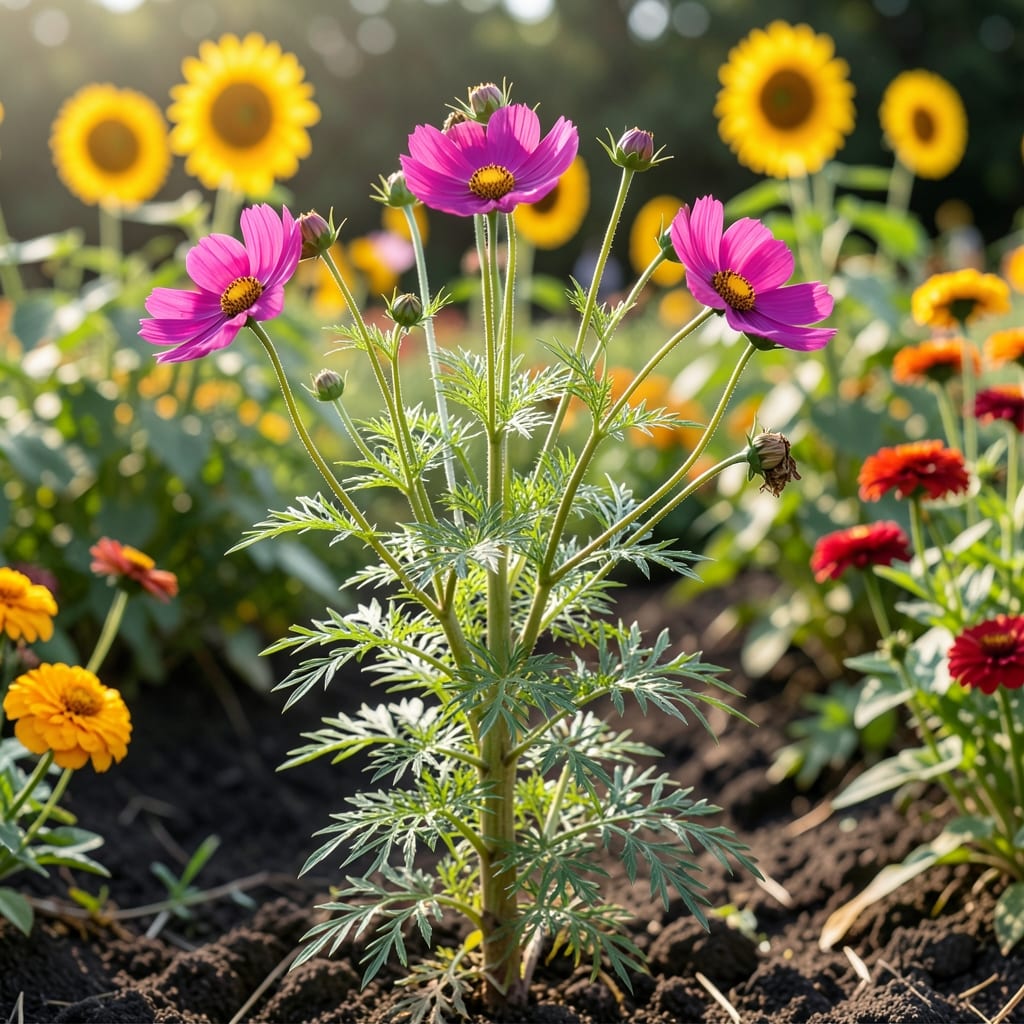
If you’ve ever wondered just how tall your cosmos can grow—from delicate 1-foot dwarfs to towering 6-foot giants—you’re not alone. The answer depends entirely on the variety you choose, and getting it right can transform your garden from a sea of short blooms to a dramatic vertical display of 🌼 beauty.
Cosmos plants are famous for their effortless growth, but their height ranges wildly depending on whether you’re planting Cosmos bipinnatus (the classic tall variety) or Cosmos sulphureus (the sun-loving dwarf). Some varieties even reach their full height in just 60 days, making them a fast favorite for cut flowers and borders.
What most gardeners don’t realize is that sunlight, spacing, and even pruning can dramatically influence how tall your cosmos will grow. A little strategic planning can turn a 3-foot bush into a 5-foot stunner—or keep a towering variety in check for smaller spaces.
In this guide, I’ll break down the exact height ranges for popular cosmos varieties, share the fastest growth timeline, and give you pro tips to control or encourage height—so you can design your garden exactly how you want it.


Cosmos height by variety: tallest types vs. compact options
Choosing the right cosmos variety is the first step to controlling height in your garden. The most popular types range from 1-foot dwarfs to 6-foot giants, each with unique spacing needs. For example, Cosmos bipinnatus (the classic garden cosmos) typically reaches 3–5 feet, while Cosmos sulphureus varieties like 'Sunset' can soar to 5–6 feet with proper care.
If you're working with limited space, Cosmos atrosanguineus (the chocolate cosmos) is a great choice, usually staying between 2–3 feet. These height differences aren't just about aesthetics—they also affect how you'll space your plants for optimal airflow and sunlight exposure.
For cut flower gardens, taller varieties like 'Bright Lights' (4–5 feet) create stunning bouquets, while dwarf cosmos like 'Purity' (1–2 feet) work perfectly in container gardens or as border plants. The key is matching the variety to your garden's design goals.
Here’s how the most popular cosmos varieties compare in height and ideal spacing:
When planting taller cosmos varieties like 'Sunset,' give them extra space to prevent overcrowding, which can stunt growth and spread disease. In contrast, dwarf cosmos like 'Purity' thrive in tight spaces, making them ideal for urban gardens or balcony planters.
Another factor to consider is soil fertility. Cosmos plants are lightweight feeders, but adding a balanced fertilizer (like 5-10-10) at planting can encourage taller growth in varieties like 'Bright Lights.' However, avoid over-fertilizing—this can lead to leggy, weak stems that flop under their own weight.
If you're using cosmos as cut flowers, taller varieties will give you more stem length for arrangements. For example, a 5-foot 'Sunset' cosmos can produce stems up to 3 feet long when harvested at the right time. Just be sure to leave at least 2–3 sets of leaves on the stem to encourage regrowth.
For wildflower meadows, a mix of heights creates natural layers. Plant taller cosmos like 'Bright Lights' in the back, medium-height types in the middle, and dwarf cosmos like 'Purity' in the front. This creates a textured, dimensional look that attracts pollinators all season long.
How fast cosmos grow: growth timeline from seed to full height
One of the biggest surprises about cosmos is how quickly they grow from tiny seeds to towering blooms. Most varieties reach their full height in just 60–90 days, making them perfect for fast garden transformations. If you’ve ever planted cosmos in early summer, you might be harvesting flowers by late July—no waiting months for color!
The growth timeline varies slightly by variety, but here’s what you can expect from seed to mature height. For example, Cosmos bipinnatus typically hits 3–4 feet in about 70 days, while Cosmos sulphureus can reach 5–6 feet in just 80–90 days with ideal conditions.
Understanding this timeline helps you plan for cut flowers or garden displays. If you’re aiming for a late-summer bouquet, sow seeds in early June for blooms by August. For a wildflower meadow, start seeds indoors in April to transplant outdoors after the last frost, ensuring a staggered bloom time.
-
🌱 Days 5–14: Germination
Seeds sprout in 5–10 days with warm soil (60°F+). Keep soil moist but not soggy—cosmos seeds need light to germinate, so avoid burying them deeply.
-
🌿 Days 15–30: Seedling Stage
Seedlings grow 1–2 inches per week. Thin to 12–18 inches apart for dwarf varieties or 24 inches apart for tall types. Pinch back leggy seedlings to encourage bushier growth.
-
☀️ Days 30–60: Vegetative Growth
Plants focus on stem and leaf growth, reaching 50–75% of mature height. Ensure 6+ hours of sunlight daily—shady conditions slow growth and reduce flower production.
-
🌼 Days 60–90: Flowering Stage
First blooms appear! Cosmos flower continuously until frost, with each stem producing 50–100 flowers over the season. Deadhead spent blooms to encourage more flowers.
⏰ Fast Fact: Cosmos can grow 1–2 feet per month in ideal conditions!
To maximize growth speed, start seeds indoors 4–6 weeks before your last frost date. Cosmos thrive in warm soil, so avoid transplanting until nighttime temperatures stay above 50°F. If you’re sowing directly outdoors, wait until soil is at least 60°F—cold soil delays germination.
Watering plays a key role in speeding up growth. While cosmos are drought-tolerant, consistent moisture during the first 30 days helps seedlings establish strong roots. Once established, they can handle weekly watering in dry climates. Overwatering, however, can lead to fungal diseases like powdery mildew, which stunts growth.
For taller varieties, stake plants at half their expected height (e.g., 2–3 feet for 'Bright Lights') to prevent flopping. Use soft ties or tomato cages to support stems without damaging them. Prune back 1/3 of the plant after the first flush of blooms to encourage a second, bushier growth phase.