
How To
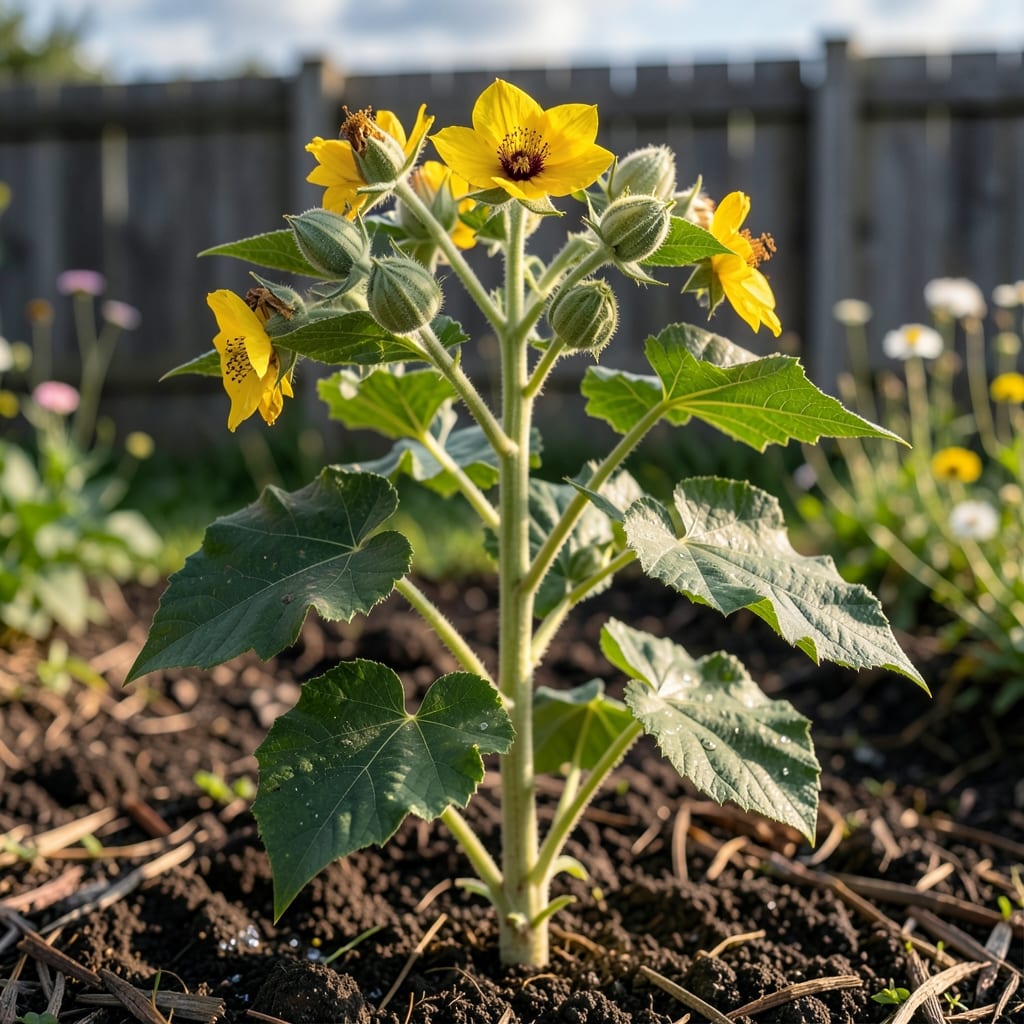
If you’re dreaming of cotton plants reaching sky-high heights in your garden, you’re not alone—some varieties can grow up to 10 feet tall! But before you picture a cotton jungle, let’s talk about the surprising range of heights these plants can achieve and how to manage them.
From dwarf varieties that stay under 3 feet to towering giants that need serious space, cotton’s height depends on the type you choose. Whether you’re a backyard gardener or a small-scale farmer, understanding these differences is key to planning your plot.
Climate, soil quality, and even pruning techniques play a huge role in how tall your cotton will grow. Some varieties naturally stay compact, while others need careful management to keep them from becoming unruly. Let’s break down the best ways to control their height without sacrificing yield.
Ready to learn how to grow cotton that fits your space—whether you want a manageable 3-foot bush or a dramatic 10-foot showstopper? I’ll share the secrets to getting the perfect height for your garden.

Cotton plant height variations: from dwarf to towering giants
Cotton plants come in a stunning range of heights, from compact dwarf varieties that barely reach your knees to towering giants that can dwarf even the tallest garden fence. The height of your cotton depends entirely on the variety you choose, as well as environmental factors like climate and care. Let’s explore the three main height categories you’ll encounter.
Dwarf cotton varieties are perfect for small gardens or container growing. These plants typically mature between 2 to 3 feet tall, making them ideal for urban gardeners or those with limited space. Varieties like Gossypium hirsutum 'Dwarf Acala' are bred specifically to stay short while still producing fluffy cotton bolls.
Standard cotton varieties are the most common in home gardens and small farms. These plants usually grow between 4 to 6 feet tall, offering a balance between manageable size and productive yield. Popular choices like 'Pima' and 'Upland' cotton fall into this category and thrive in warm climates with plenty of sunlight.
For those dreaming of a dramatic garden statement, giant cotton varieties can reach heights of 8 to 10 feet. These towering plants, such as 'Sea Island' cotton, require ample space and robust support structures. While they’re stunning, they’re best suited for large farms or rural properties where their height won’t be a nuisance.
Now, let’s dive into the specifics with this handy comparison table to help you visualize the differences:
| Variety Type | Height Range | Ideal Climate | Growth Habit | Best For |
|---|---|---|---|---|
| Dwarf | 2–3 ft | Warm, sunny | Compact, bushy | Small gardens, containers |
| Standard | 4–6 ft | Hot, dry | Medium, upright | Home gardens, small farms |
| Giant | 8–10 ft | Tropical, humid | Tall, sprawling | Large farms, rural plots |
Genetics play a huge role in determining height, but don’t underestimate the impact of your growing conditions. For example, standard varieties like 'Upland' cotton can grow taller in ideal climates with plenty of nutrients, while dwarf varieties may stretch beyond their expected height if over-fertilized or overwatered.
If you’re growing cotton in a cooler climate, like USDA Zone 6 or higher, you’ll likely see shorter plants because the growing season is shorter. Conversely, in hot, humid regions, cotton plants can grow faster and taller, sometimes exceeding their expected height range.
Soil quality also affects height—nutrient-rich, well-draining soil encourages robust growth, while poor soil can stunt a plant’s development. Always test your soil before planting to ensure it meets the 6.0 to 7.5 pH range that cotton prefers. Amending with compost or organic matter can give your plants the boost they need to reach their full potential height.
Whether you’re aiming for a 3-foot bush or a 10-foot giant, choosing the right variety and providing optimal care will help you achieve the perfect height for your garden goals.
Cotton plant height variations: from dwarf to towering giants
Cotton plants can vary dramatically in height, from compact dwarf varieties that stay under 3 feet to towering giants reaching 10 feet. The most common species, Gossypium hirsutum, typically grows 4-6 feet tall, but some heirloom and wild types can exceed 8 feet in ideal conditions.
Your choice of variety determines how much space you’ll need. Dwarf cotton (like 'Dwarf Desert Cotton') is perfect for containers or small gardens, while standard varieties (such as 'Acala' or 'Pima') thrive in open fields. Giant varieties like 'Sea Island Cotton' can dominate your landscape if unchecked.
Climate plays a huge role—cotton grows fastest in hot, humid regions (USDA Zones 7-11) with long growing seasons. In cooler climates, even standard varieties may stay shorter unless given extra care. Soil fertility and water availability also influence height, with nutrient-rich soil promoting taller growth.
Here’s how different cotton types compare in height and care needs:
| Variety | Mature Height | Growth Habit | Best For |
|---|---|---|---|
| Dwarf Cotton | 2-3 ft | Bushy, compact | Containers, small gardens |
| Standard Cotton (e.g., Acala) | 4-6 ft | Upright, spreading | Backyards, farms |
| Giant Cotton (e.g., Sea Island) | 8-10 ft | Tall, woody stems | Large farms, ornamental use |
If you’re growing cotton in a small space, opt for dwarf varieties or use trellising to guide taller types upward. For maximum fiber yield, standard varieties often strike the best balance between height and manageability. Always check your local climate and variety recommendations to avoid disappointment.
Pro tip: Prune young plants to encourage bushier growth, which can help control height naturally. This works especially well for standard varieties that might otherwise outgrow their space.