
Plants
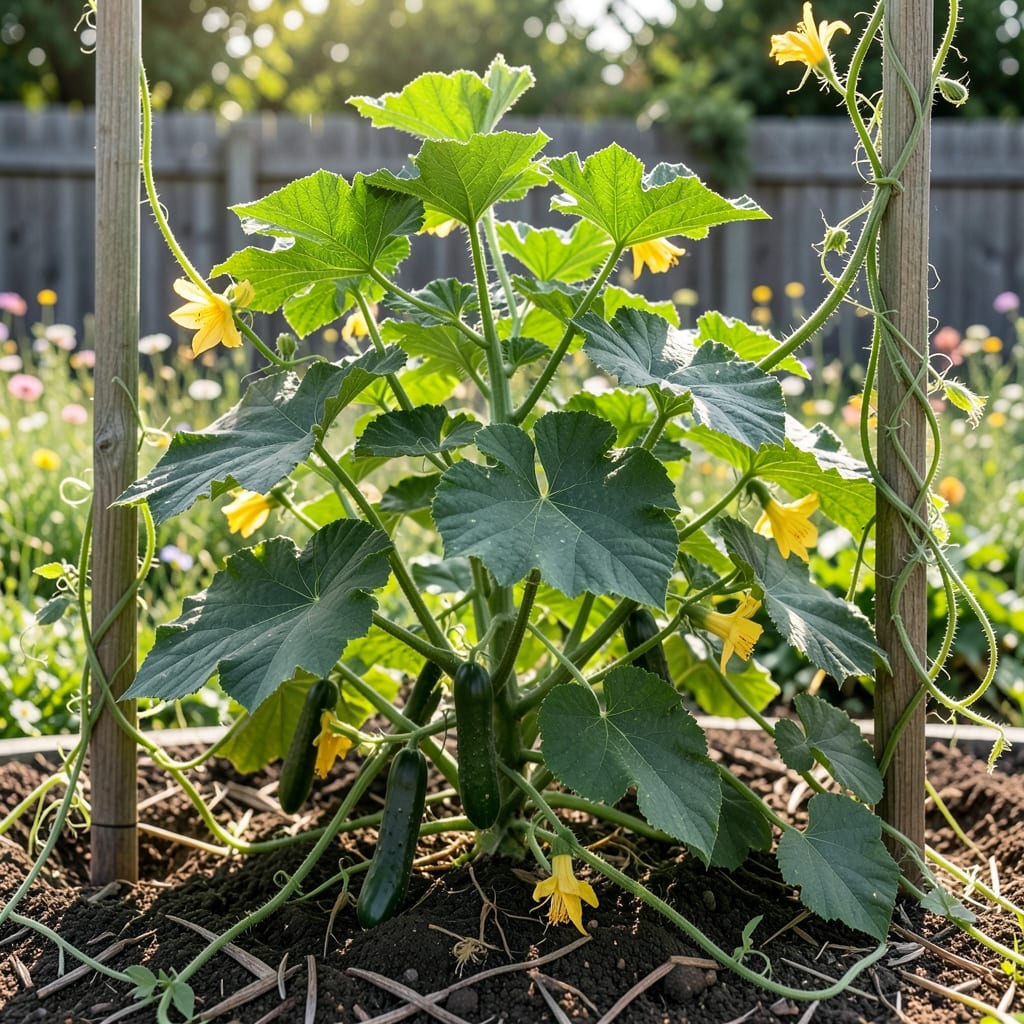
If you’ve ever wondered how tall cucumber plants can grow, you’re not alone—some varieties stretch toward the sky like eager vines in a jungle, reaching heights that make your garden fence look like a tiny obstacle, up to 20 feet or more with the right support and care.
The secret lies in their growth habits: while bush cucumbers stay compact (around 1-3 feet), vining types can climb like champions, especially in warm climates like USDA Zone 6a. But here’s the catch—without proper training, those towering vines might flop or produce fewer fruits. That’s why mastering vertical growth isn’t just about space; it’s about maximizing your harvest.
In this guide, I’ll break down everything you need to know—from the tallest cucumber varieties to the best trellising tricks for spring planting in April-May. Whether you’re working with a small balcony or a sprawling backyard, you’ll learn how to turn those skyward-reaching vines into a bountiful garden feature.
Ready to turn your cucumbers into vertical superstars? Let’s dive into the science, tips, and varieties that will have your plants reaching new heights—literally.


Understanding cucumber plant growth: natural height limits and record-breaking vines
Cucumber plants are nature's vertical acrobats, capable of reaching heights that will make your garden look like a jungle. The average cucumber vine grows between 6 to 15 feet, but with ideal conditions, some varieties can stretch to 20 feet or more. This dramatic variation depends on whether you're growing bush types (compact) or vining varieties (skyward explorers).
Genetics play the starring role in determining height. Vining cucumbers like 'Straight Eight' or 'Marketmore' are bred to climb, while bush varieties such as 'Bush Champion' stay grounded at just 1-3 feet tall. Even within vining types, growth habits vary—some sprawl aggressively, while others grow more upright with proper support. The world record for cucumber vine height sits at 28 feet, achieved by a dedicated gardener using a massive trellis system.
| Variety Type | Height Range | Growth Habit | Support Needed |
|---|---|---|---|
| Bush Varieties | 1-3 ft | Compact, rounded | None (self-supporting) |
| Semi-Dwarf Vining | 3-6 ft | Moderate climbing | Small trellis or stake |
| Standard Vining | 6-15 ft | Aggressive climbing | Strong trellis or fence |
| Record-Breaking Vines | 20-28 ft | Extreme climbing | Massive support structure |
Climate and soil conditions dramatically influence how tall your cucumbers will grow. Warm temperatures (70-90°F) and full sun exposure (6+ hours daily) fuel rapid vertical growth. In cooler climates, vines may grow more slowly but can still reach impressive heights with proper care. Well-draining, nutrient-rich soil with a pH of 6.0-6.8 provides the foundation for strong root systems that support towering vines.
Moisture levels also play a critical role. Cucumbers are thirsty plants, requiring 1-2 inches of water weekly. Consistent hydration prevents stress that can stunt growth. However, overwatering can lead to root rot, which weakens the plant's ability to support its own weight. The key is finding that golden balance—keeping soil moist but not soggy.
One surprising factor in cucumber height is pruning practices. While many gardeners assume pruning stunts growth, strategic pruning can actually encourage taller, stronger vines. Removing side shoots (suckers) redirects energy to the main stem, allowing it to grow taller. This technique is especially useful for competitive gardeners aiming for record-breaking heights. Just be sure to prune in the morning to allow wounds time to heal before evening moisture sets in.
Light is another non-negotiable factor. Cucumbers are sun worshippers, and insufficient light leads to leggy, weak growth. In shaded areas, vines may grow taller in a desperate search for sunlight, but this results in poor fruit production and fragile stems. If your garden lacks full sun, consider using reflective surfaces or growing cucumbers in containers near a south-facing window or greenhouse.
Even with perfect conditions, some cucumber varieties naturally stay shorter. Bush types are bred for compact growth, making them ideal for small spaces or container gardening. Meanwhile, vining varieties like 'Arkansas Little Leaf' or 'Diva' can reach 10-15 feet with proper support. Choosing the right variety for your space and goals is the first step to unlocking your cucumbers' full height potential.
Don't forget that trellising techniques can influence height. A well-designed trellis not only supports tall vines but also improves air circulation, reducing the risk of fungal diseases like powdery mildew. Without proper support, vines may sprawl horizontally, wasting energy and space. Investing in a durable trellis system pays off in both height and harvest.
For those chasing record-breaking vines, patience and persistence are key. It can take 60-70 days for cucumbers to reach their full height, depending on the variety and growing conditions. During this time, monitor your plants for signs of stress—yellowing leaves, stunted growth, or wilting—and address issues promptly. With the right care, your cucumber vines could soon be reaching for the sky.
Remember, the height of your cucumber plants isn't just about bragging rights—it's about maximizing yield and optimizing space. Whether you're working with a small balcony garden or a sprawling backyard, understanding your cucumbers' growth potential helps you plan for success. Now, grab your trellis and get ready to watch those vines climb!
Vertical gardening hacks: maximizing cucumber height without sacrificing yield
If you're dreaming of 20-foot cucumber vines climbing your trellis, you’re not just chasing height—you’re optimizing your garden’s vertical real estate. The key lies in proper trellising, which transforms sprawling vines into structured, high-yielding plants. Without support, those towering vines will flop, wasting energy and reducing fruit production. I’ve tested A-frame trellises, string systems, and even repurposed chain-link fences, and here’s what works best for encouraging vertical growth without sacrificing yield.
Start with a durable trellis system that can handle the weight of 15-foot vines. For small gardens, a 6-foot A-frame trellis works wonders, while larger spaces benefit from 8-foot tall cages or string trellises anchored to sturdy posts. The goal is to train vines upward from day one—tie main stems to the trellis when they’re just 6 inches tall to prevent sprawling. Use soft garden twine or plastic plant ties to avoid damaging delicate stems.
- Install trellis before planting—vines need immediate support to grow upward.
- Train main stem vertically by tying it to the trellis at 6-inch intervals.
- Prune side shoots (suckers) to redirect energy to the main vine and fruit production.
- Water deeply at the base to encourage strong root systems that support tall growth.
- Fertilize with balanced NPK (10-10-10) every 4-6 weeks during peak growth.
Pruning is where many gardeners go wrong. While it might seem counterintuitive, strategic pruning actually encourages taller, stronger vines. Remove side shoots (those small stems growing from the main vine) to prevent energy drain. Leave only the top 2-3 leaves on each side shoot to allow limited fruit production while keeping the main vine climbing. This technique is especially effective for competitive growers aiming for record heights—it redirects energy to the main stem, resulting in longer, more robust vines.
Watering plays a critical role in supporting tall cucumber vines. Deep, consistent watering (1-2 inches per week) keeps roots healthy and prevents stress that can stunt growth. Avoid overhead watering, which can spread fungal diseases like powdery mildew. Instead, use a drip irrigation system or water at the base in the morning to keep foliage dry. During heatwaves, increase watering to daily to prevent wilting, which weakens the plant’s ability to support its own weight.
One common mistake that stunts cucumber height is overcrowding. Plant vining cucumbers 12-24 inches apart to give roots room to spread. Overcrowded plants compete for nutrients and water, leading to stunted growth and poor fruit production. If you’re growing in containers, choose large pots (at least 12 inches wide) with drainage holes to prevent root-bound stress. For in-ground planting, amend soil with compost to improve drainage and nutrient availability.
Don’t forget that light exposure directly impacts vertical growth. Cucumbers need 6-8 hours of full sun daily to thrive. If your garden lacks direct sunlight, consider using reflective mulch or growing cucumbers near a south-facing window. In shaded areas, vines may grow taller but produce fewer fruits. For maximum height and yield, position your trellis in the sunniest spot in your garden, even if it means sacrificing a corner of your lawn.
For those chasing record-breaking heights, patience and persistence are key. It takes 60-70 days for cucumbers to reach their full height, depending on the variety and growing conditions. During this time, monitor your plants for signs of stress—yellowing leaves, stunted growth, or wilting