
Vegetables
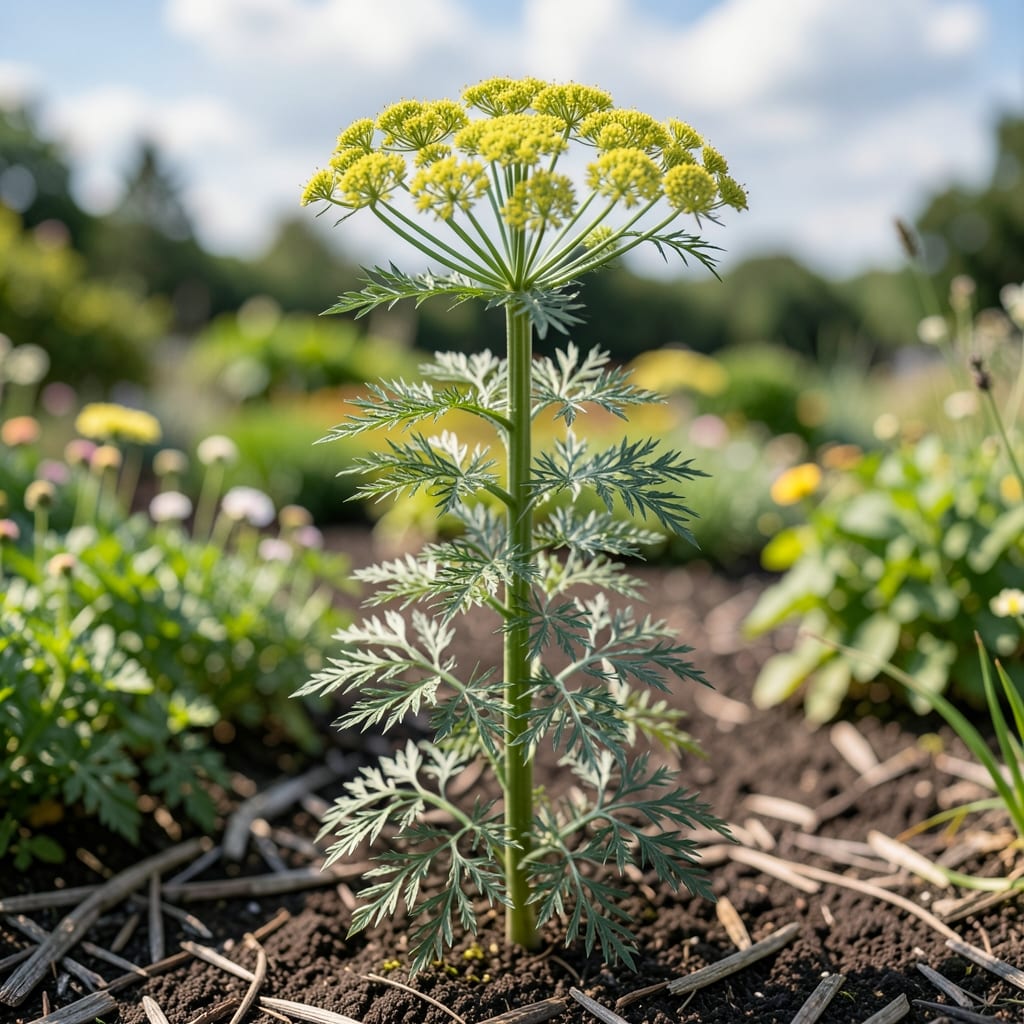
If you've ever watched your dill plants stretch skyward like they're racing toward the clouds, you're not imagining things—some varieties of 🌿 dill can grow up to 6 feet tall! But here's the twist: not all dill reaches those lofty heights, and the difference often comes down to the type you're growing and how you care for it.
Most gardeners expect dill to hit 3 to 5 feet, which is perfect for adding fresh flavor to soups and salads. Yet, if you're growing Mammoth dill, you might find yourself dealing with plants that tower over your garden fence. The key to managing this growth—and getting the most from your harvest—lies in understanding your variety and a few simple growing tips.
Whether you're planting dill in your backyard garden or a sunny container on your patio, knowing how tall it can grow helps you plan spacing and support. Some varieties stay compact, while others need staking to prevent flopping. I'll walk you through the differences and share how to keep your dill thriving, no matter its height.
Ready to grow dill that's both productive and manageable? Let's dive into why some plants reach for the sky while others stay closer to the ground—and how you can control the outcome.


Dill height by variety: from compact 3-Foot dwarf to towering 6-Foot giants
When I first planted dill in my backyard, I had no idea some varieties would grow tall enough to cast shadows on my patio furniture! The truth is, dill height varies dramatically depending on the variety you choose. Most gardeners grow standard dill, which typically reaches 3 to 5 feet tall, but some varieties like Mammoth dill can soar up to 6 feet or more.
Understanding these differences helps you plan your garden layout and decide whether to stake your plants. For example, Bouquet dill stays shorter at 2 to 3 feet, making it ideal for containers or small gardens. Meanwhile, Fernleaf dill often grows to 4 to 5 feet, perfect for adding height to herb borders.
Here’s the key: Dill is a biennial plant, meaning it grows leaves in its first year and flowers/seeds in the second. This two-year growth cycle affects its height—first-year plants focus on leafy growth, while second-year plants prioritize flowering and seed production, often growing taller.
Spacing is crucial to prevent overcrowding, which can stunt growth. Most varieties need 12 to 18 inches of space between plants, while taller types like Mammoth dill should have 2 feet or more to avoid competition for sunlight and nutrients.
🌱 Dill Varieties by Height
| Variety | Height Range | Growth Habit | Best For |
|---|---|---|---|
| Bouquet | 2–3 ft | Compact, bushy | Containers, small gardens |
| Fernleaf | 4–5 ft | Tall, slender | Herb borders, fresh leaves |
| Mammoth | 5–6+ ft | Very tall, sturdy | Seed production, tall gardens |
| Dukat | 3–4 ft | Medium, broad leaves | Fresh dill, salads |
💡 Pro Tip: If you love fresh dill but hate tall plants, harvest leaves regularly to encourage bushier growth and prevent bolting.
If you're growing dill for seeds, taller varieties like Mammoth are ideal because they produce more seed heads. However, if you prefer leafy growth, shorter varieties like Bouquet or Dukat will give you a steady supply of fresh herbs without the need for staking.
One mistake I made early on was planting Mammoth dill too close to my fence—by midsummer, the plants were leaning against it and flopping over! Always check the mature height of your variety and give it enough space to grow upright.
For container gardening, stick to compact varieties like Bouquet. A 5-gallon pot is perfect for one plant, giving it room to grow without becoming top-heavy. If you’re in a small space, Fernleaf can also work in containers, but you may need to prune it regularly to control height.
Remember, dill’s height isn’t set in stone—it’s influenced by sunlight, soil quality, and how you care for it. In my next section, I’ll share how to troubleshoot stunted or overly tall dill and keep your plants at your desired height.
Why your dill might stay short (or grow too tall) + fixes
If your dill plants are staying stubbornly short—or shooting up like bamboo—you’re not alone! Stunted growth often happens when dill lacks key nutrients or sunlight, while excessive height can signal overcrowding or too much nitrogen. I’ve seen both extremes in my garden, and the fixes are simpler than you’d think.
The most common reason for short dill is poor soil quality. Dill thrives in well-draining, nutrient-rich soil with a pH of 6.0 to 7.0. If your soil is compacted or lacks organic matter, roots struggle to absorb water and nutrients, keeping plants small. A quick fix? Amend your soil with compost or aged manure before planting.
Another culprit is inadequate sunlight. Dill craves 6+ hours of full sun daily. If your plants are in shade, they’ll stretch toward light (a process called etiolation) and grow leggy or weak. Move them to a sunnier spot or use a reflective surface (like white plastic) to bounce light onto their leaves.
⚠️ Warning: Over-Fertilizing Backfires!
Too much nitrogen-rich fertilizer can make dill grow tall and leafy but weak, with fewer flavorful leaves. Instead, use a balanced 5-10-10 fertilizer sparingly—just 1 tbsp per plant every 4-6 weeks during the growing season.
On the flip side, tall dill that flops over is usually a sign of overcrowding or lack of support. Taller varieties like Mammoth dill need 2+ feet of space between plants. If you’re growing them in a border, consider staking or trellising to keep stems upright. I use bamboo stakes tied with soft twine to avoid damaging the stems.
Harvesting habits also affect height. If you’re not pruning regularly, dill will focus energy on growing taller instead of producing more leaves. Snip the outer leaves to encourage bushier growth, and always cut just above a leaf node. This trick works wonders for keeping plants compact and productive.
Finally, bolting (premature flowering) can stunt growth if your dill is stressed by heat or drought. To delay bolting, keep soil consistently moist (but not soggy) and mulch around the base to retain moisture. If bolting happens, don’t panic—just harvest the leaves before the plant puts all its energy into seeds.
With these fixes, you can coax your dill into the perfect height—whether you want a compact bush or a tall, sturdy plant for seed saving. Next, I’ll show you how to prune and harvest dill to maintain its ideal size all season long.