
Size
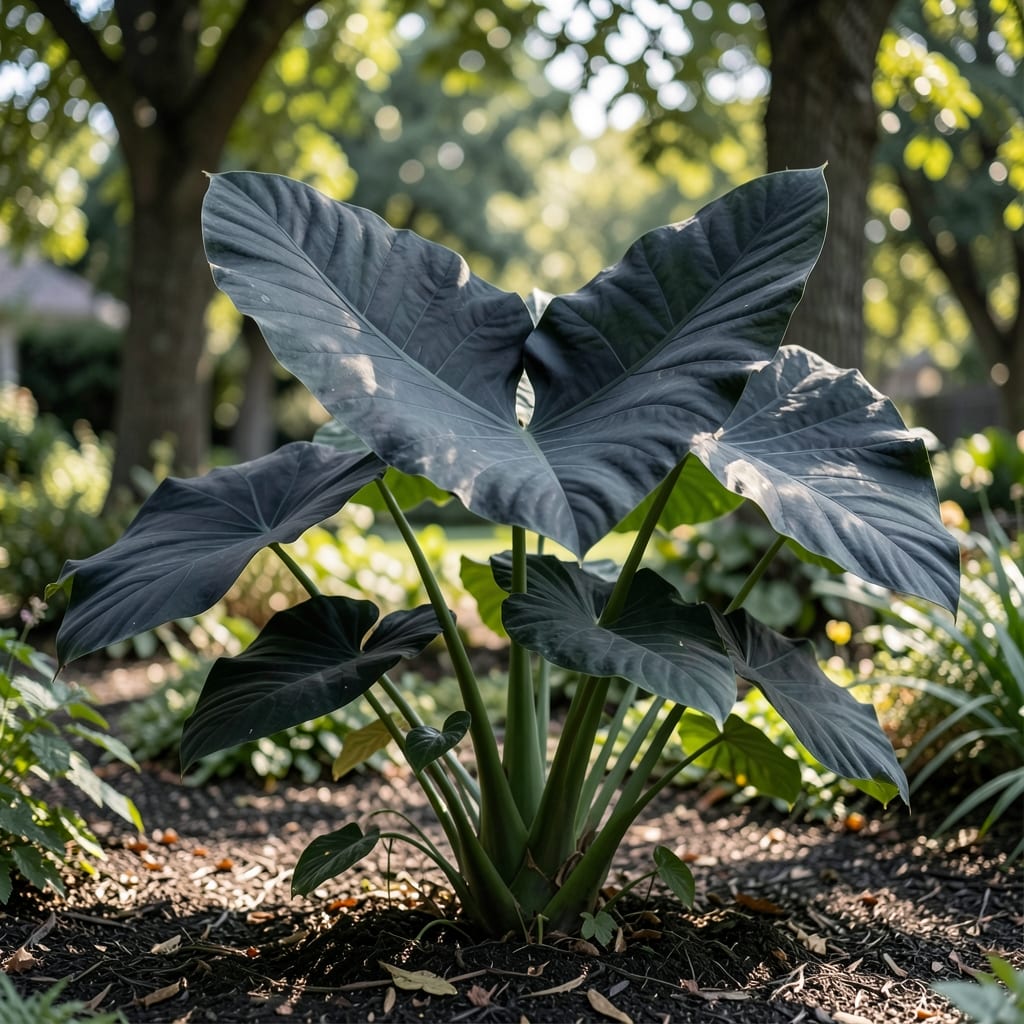
If you’ve ever wondered how tall elephant ears can grow, the answer might surprise you—some varieties stretch taller than a basketball hoop!
These dramatic plants aren’t just eye-catching; their height varies wildly depending on the type you choose. Whether you’re dreaming of a lush, 12-foot statement plant or prefer a more manageable 3-foot size, the right variety and care make all the difference. I’ll break down the tallest (and shortest) options, plus the secrets to encouraging your Elephant Ear to grow its biggest.
Growing conditions play a huge role—sunlight, soil, and even your zone can push a plant from 5 feet to over 10 feet. Let’s explore how to maximize their height without sacrificing those stunning, oversized leaves. Ready to transform your garden with these giants?
From dwarf varieties that fit cozy containers to giants that need wide-open spaces, we’ll cover everything you need to know. Whether you’re a seasoned gardener or just starting, this guide ensures your Elephant Ear reaches its full potential—no matter how tall your dreams (or your yard) are!

Elephant ear height by variety: from compact to towering giants (3’–12’+)
Elephant ears (Colocasia spp.) are famous for their bold, tropical leaves, but their height varies dramatically depending on the variety and growing conditions. Some stay compact at just 3 feet tall, while others can reach 12 feet or more with proper care. The key to maximizing their height? Choosing the right variety for your space and providing ideal growing conditions.
If you’re dreaming of statement-making foliage, giant varieties like 'Illustris' or 'Black Magic' can create a dramatic focal point in your garden. But even dwarf varieties like 'Pink China' offer stunning visual impact in containers or small spaces. Let’s explore the height ranges of the most popular elephant ear varieties to help you pick the perfect fit for your garden.
🌿
As you can see, the height range for elephant ears spans from compact 3-footers to towering 12-foot giants. The variety you choose will determine not only how tall your plant grows but also its foliage color, growth speed, and even its hardiness in colder zones. For example, 'Illustris' and 'Mammoth' are perfect for creating a tropical jungle vibe in larger gardens, while 'Pink China' or 'Happy Valley' work beautifully in containers or small spaces.
One thing to note: height isn’t the only factor when selecting elephant ears. Consider your garden layout, sunlight conditions, and even your local climate. Some taller varieties, like 'Black Magic,' thrive in warmer zones (7–10) but may struggle in colder regions without protection. Always check the USDA hardiness zone recommendations for your chosen variety to ensure success.
If you’re planting elephant ears in containers, opt for dwarf varieties like 'White Star' or 'Happy Valley'—they won’t outgrow their pots as quickly as giants like 'Illustris.' However, even container-grown elephant ears can reach their maximum height potential with the right care, including regular fertilization and consistent moisture. Just be prepared to uproot and repot them every few years as they outgrow their space.
For gardeners in smaller spaces, semi-dwarf varieties like 'Mojave Magic' or 'Sunny Spot' offer a compromise between height and impact. These plants typically reach 4–6 feet tall but still deliver striking foliage without overwhelming your landscape. Plus, they’re often more drought-tolerant than their taller counterparts, making them a great choice for
How to maximize elephant ear growth: soil, sun, and care secrets
Ready to push your elephant ears to their maximum height potential? The secret lies in creating the perfect growing conditions—especially soil quality, sunlight exposure, and consistent care. Unlike many plants, elephant ears thrive when their roots stay cool and moist, while their leaves bask in bright, indirect light. I’ve grown these giants for years, and I’ve learned that even a 1-foot difference in height can come down to these key factors.
Start with rich, well-draining soil mixed with plenty of organic matter. Elephant ears hate soggy roots but love nutrients, so amend your soil with compost or aged manure before planting. In containers, use a lightweight potting mix combined with perlite to prevent compaction. I’ve seen plants reach 2 feet taller in just one season when planted in nutrient-dense soil compared to poor-quality dirt.
🌱
- Soil Prep: Mix in 3 inches of compost and a handful of bone meal at planting time for extra height boosts.
- Sunlight: Provide morning sun + afternoon shade—too much direct sun scorches leaves, stunting growth.
- Watering: Keep soil consistently moist (1–2 inches of water per week). Let the top inch dry between waterings to prevent root rot.
- Fertilizer: Feed every 4–6 weeks with a balanced 10-10-10 fertilizer during the growing season (spring–summer).
- Staking: For varieties over 6 feet tall, use bamboo stakes or cages to support heavy foliage and prevent flopping.
One of my biggest mistakes was underestimating the power of regular fertilization. I once grew 'Illustris' without feeding it properly, and it only reached 6 feet instead of its potential 10+ feet. Since then, I’ve made it a rule to fertilize every 4–6 weeks during the growing season, and the difference is night and day. For container-grown plants, I even use a slow-release fertilizer to avoid overfeeding.
Don’t forget about seasonal adjustments! In summer heat, increase watering to daily or every other day to prevent wilting, which can stunt growth. In fall, reduce feeding as the plant prepares for dormancy. I’ve found that mulching with straw helps retain moisture and keeps roots cool, which is especially important for taller varieties that need extra support.
If you’re growing elephant ears in containers, choose pots that are at least 12 inches wide and deep—smaller containers restrict root growth and limit height. I repot mine every 2–3 years to give them more space, and it’s amazing how much taller they grow when their roots aren’t crowded. For in-ground planting, space taller varieties like 'Mammoth' 3–4 feet apart to allow for their full height and leaf spread.
Finally, watch for pests and diseases that can sabotage growth. Slugs and snails love elephant ear leaves, and fungal issues like leaf spot can weaken plants. I’ve had success using neem oil as a preventative spray and removing damaged leaves promptly. A healthy plant is a taller plant—so don’t skip these preventative steps!