
Size
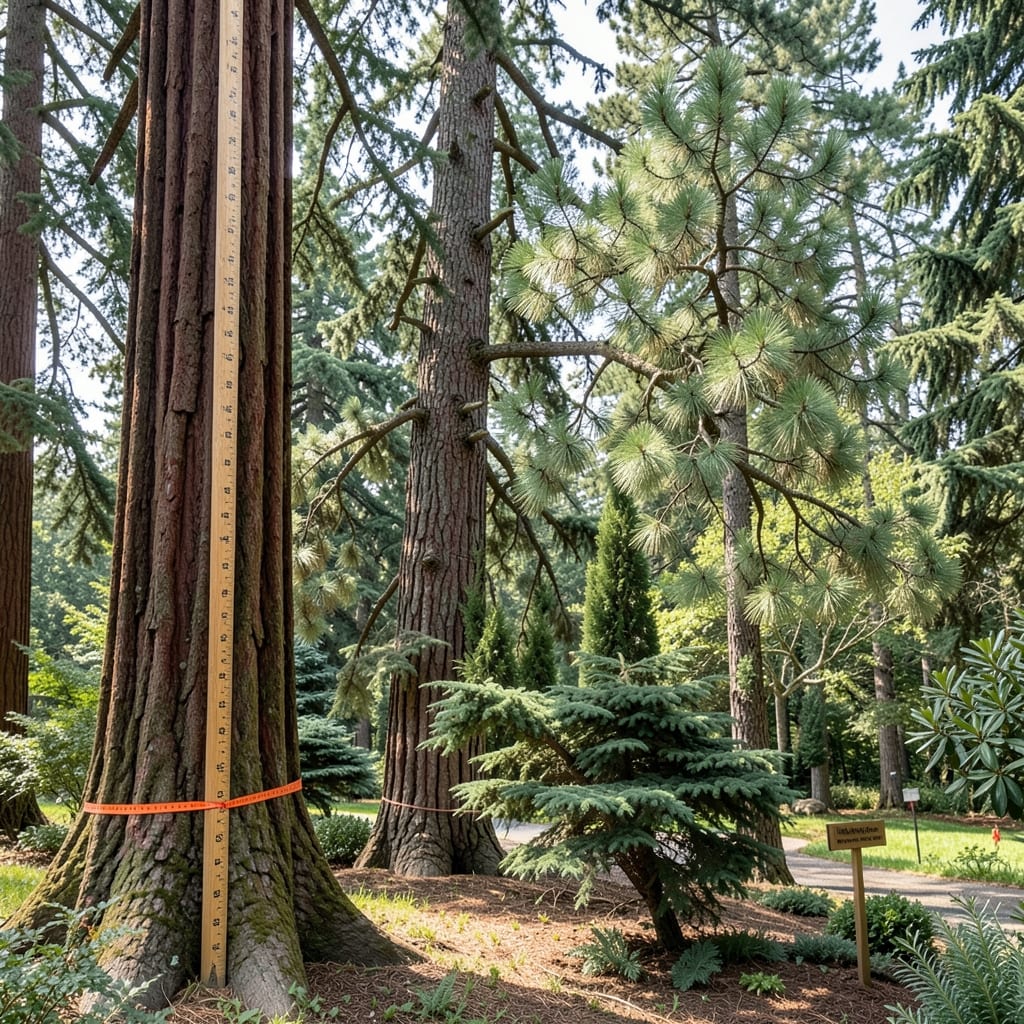
Curious about how tall can evergreen trees grow before they become unmanageable in your yard? The answer might surprise you—some varieties stretch toward the sky like natural skyscrapers, while others stay perfectly proportioned for cozy gardens.
From the towering coast redwoods that pierce the clouds to the dainty dwarf junipers that fit on a patio, evergreens offer a staggering range of heights. Whether you’re dreaming of a privacy hedge or a statement focal point, knowing their growth potential is the key to making the right choice.
I’ll break down the fastest-growing species that can reach 30 feet in a decade, plus space-saving tips to keep your landscape looking intentional—not overwhelming. Ready to find the perfect 🌲 for your space?
Let’s explore how to balance ambition and practicality when planting evergreens, so you end up with a lush, low-maintenance yard that fits your vision—no matter how big (or small) you’re dreaming.


Tallest evergreen trees: species that reach 100+ feet (and how to manage them)
If you’ve ever gazed up at a coast redwood and wondered how tall evergreen trees can grow, the answer is jaw-dropping: some varieties stretch over 350 feet—taller than a 30-story building! While these giants belong in forests, even residential-scale evergreens can reach 100 feet or more with proper care.
Understanding these towering species helps you plan for long-term landscape design. Whether you’re dealing with a Douglas fir or ponderosa pine, knowing their growth rates and space needs prevents future headaches. Let’s explore the tallest evergreens and how to manage them in your yard.
Coast redwoods (Sequoia sempervirens) hold the record, but even eastern white pines (Pinus strobus) can reach 80–100 feet in ideal conditions. These trees aren’t just impressive—they’re ecosystem powerhouses, providing shade, wildlife habitats, and year-round greenery.
However, their massive size means they’re best suited for large properties or parks. For smaller yards, consider semi-dwarf varieties or strategic pruning to control height. The key is balancing ambition with practicality—because even the most stunning trees can become a nuisance if left unchecked.
🌲 Did You Know? Some evergreens grow 3–5 feet per year in optimal conditions, meaning a 100-foot tree could reach maturity in just 20–30 years! Proper spacing and pruning can extend their lifespan while keeping them manageable.
| Species | Mature Height | Growth Rate | Ideal Climate |
|---|---|---|---|
| Coast Redwood | 300–350 ft | 3–5 ft/year | Coastal, humid |
| Douglas Fir | 200–300 ft | 2–4 ft/year | Pacific Northwest |
| Ponderosa Pine | 150–200 ft | 1–3 ft/year | Mountain regions |
| Eastern White Pine | 80–100 ft | 1–2 ft/year | Eastern U.S. |
| Deodar Cedar | 100–150 ft | 2–3 ft/year | Mediterranean |
The coast redwood isn’t just the tallest—it’s also one of the fastest-growing evergreens, making it a favorite for landscape architects in coastal regions. However, its 350-foot potential means it’s not for most backyards. For residential planting, focus on species like the eastern white pine, which offers a balance of height and manageability.
Pruning plays a crucial role in controlling height. Crown thinning (removing inner branches) improves airflow and reduces weight, while topping (cutting the top) can temporarily slow growth. Just be cautious—over-pruning can stress the tree and leave it vulnerable to pests. Always use sterilized tools and prune in late winter or early spring for best results.
Soil quality and watering habits also impact height. Evergreens need well-draining soil to prevent root rot, and deep watering encourages strong root systems. In drought-prone areas, mulching helps retain moisture while suppressing weeds. A 3-inch layer of mulch around the base can reduce water needs by up to 30%.
For those with limited space, consider semi-dwarf varieties like the ‘Blue Mountain’ cedar, which maxes out at 40–50 feet. These trees offer the same year-round color and wildlife benefits without the same space demands. With the right choices, you can enjoy towering evergreens without sacrificing your yard’s usability.
🌿 Pro Tip: Always check local regulations before planting tall evergreens—some areas restrict tree heights near power lines or roads for safety reasons.
Fastest-growing evergreen trees for quick privacy or shade (under 30 feet)
If you’re dreaming of a privacy hedge or instant shade but don’t have decades to wait, fast-growing evergreens are your best bet. These trees can reach 20–30 feet in just 5–10 years, making them perfect for small yards, urban landscapes, or windbreaks. The key is choosing species with rapid vertical growth while balancing their mature size with your space.
For privacy screens, nothing beats the Leyland cypress (× Cupressocyparis leylandii), which grows 3–5 feet per year and can form a dense, 30-foot wall in about a decade. Pair it with Thuja Green Giant, another speedy grower that thrives in full sun to partial shade and resists deer and pests—ideal for Northern climates.
🌲 Did You Know? Some evergreens like the ‘Emerald Green’ arborvitae grow 2–3 feet per year, reaching 12–15 feet in just 5 years. This makes them perfect for narrow spaces where you need height without width. Their columnar shape also saves space compared to broader varieties.
- 1. Leyland Cypress – 3–5 ft/year, 30 ft in 10 years, full sun, deer-resistant
- 2. Thuja Green Giant – 2–3 ft/year, 25 ft in 8 years, tolerates shade, wind-resistant
- 3. ‘Emerald Green’ Arborvitae – 2–3 ft/year, 15 ft in 5 years, columnar shape, low maintenance
- 4. ‘Green Giant’ Arborvitae – 3–4 ft/year, 30–40 ft in 10 years, dense foliage, privacy screen
- 5. ‘Sky Pencil’ Holly – 1–2 ft/year, 20 ft in 10 years, narrow form, berries for wildlife
When planting for quick shade, prioritize Thuja occidentalis varieties like ‘Smaragd’, which grows 1–2 feet per year and reaches 12–15 feet in about 7 years. Its pyramidal shape makes it ideal for small backyards or as a focal point. For coastal areas, ‘San Jose’ cypress is a top pick—it grows 2–3 feet per year and handles salt spray and wind like a champ.
To maximize growth, plant in well-draining soil with a 3-inch layer of mulch to retain moisture. Water deeply once a week during the first year, then taper to bi-weekly once established. Avoid over-fertilizing—balanced 10-10-10 fertilizer in early spring is enough to fuel rapid growth without burning roots.
💡 Pro Tip: For urban gardens, opt for ‘Little Giant’ arborvitae, which tops out at 15–20 feet but grows 2 feet per year. Its compact size makes it perfect for containers or tight spaces, while still delivering year-round privacy.
With the right species, you can enjoy a lush, green privacy screen or shady retreat in just a few years—no waiting decades for slow growers. The secret? Fast growth + smart spacing + consistent care equals a low-maintenance landscape that works for your lifestyle.