
Trees
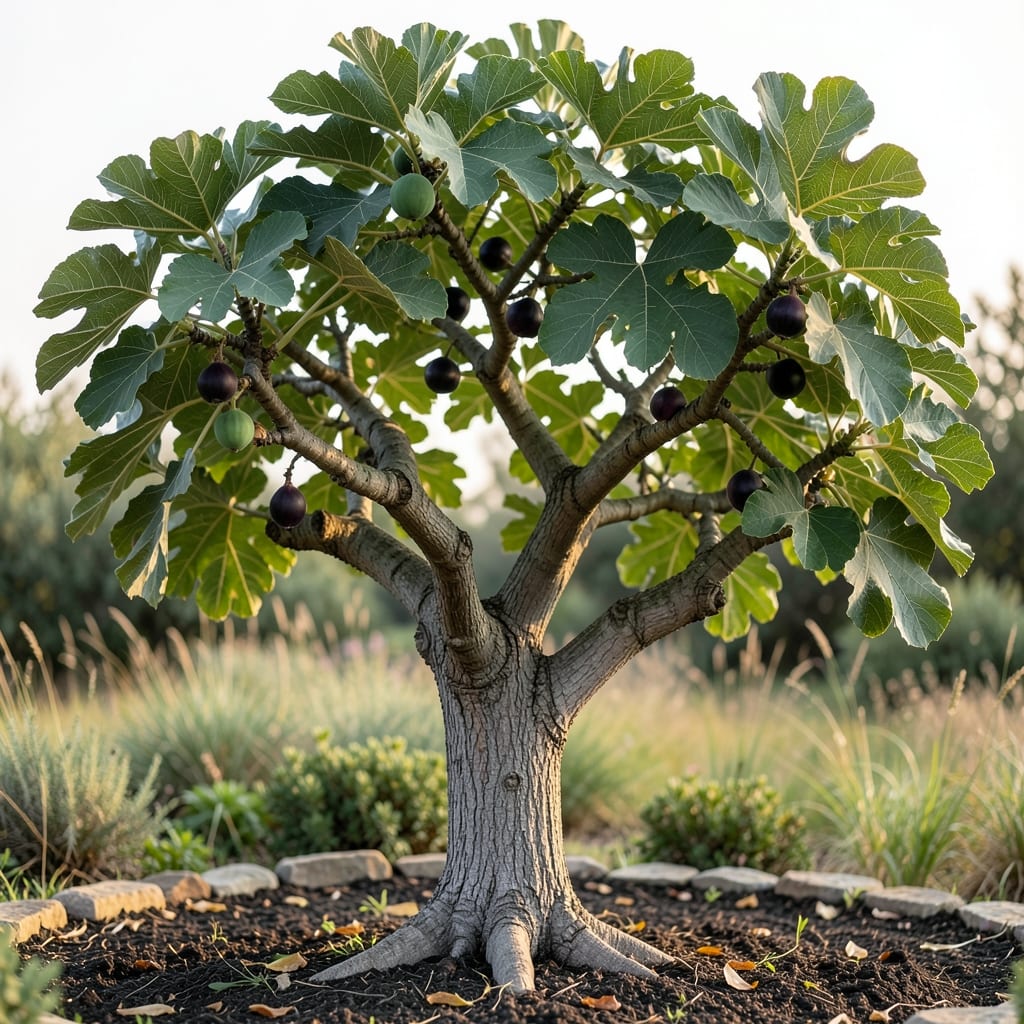
Wondering how tall fig trees can grow in your backyard? The answer might surprise you—because fig trees 🍈 can range from compact patio shrubs to towering giants that reach 100 feet or more in ideal conditions. Whether you're dreaming of a small, manageable tree or preparing for a landscape-dominating specimen, understanding their growth potential is key to planning your garden.
Not all fig trees grow the same way, though. Some varieties stay neatly under 6 feet, perfect for containers or small spaces, while others shoot up like skyscrapers in the right climate. The difference often comes down to genetics, pruning habits, and even your local growing zone—like USDA Zone 6a, where patience and proper care can turn a tiny sapling into a fruit-bearing giant over just a few years.
If you're curious about how to steer your fig tree toward your ideal height—or how to keep it from outgrowing your yard—you're in the right place. I’ll break down the science behind their dramatic growth variations, share practical pruning tips to control size, and debunk common myths about what really makes a fig tree soar (or stay small). Let’s get started!
The best part? With the right approach, you can enjoy fresh figs year after year—whether your tree is a dwarf delight or a sprawling, shade-providing giant. Ready to find out how tall your fig tree could grow?


Fig tree height variations: dwarf to monumental sizes explained
Fig trees are one of the most diverse fruit-bearing trees when it comes to size. While most gardeners picture a 15–30-foot tree when they think of figs, the reality is far more varied. Some varieties stay under 6 feet, perfect for containers, while others—like the banyan fig—can reach 100 feet or more in ideal conditions. The key to understanding their height lies in their species and cultivars.
For example, the common fig (Ficus carica) is the most widely grown type in home gardens, typically maturing between 15–25 feet tall. But within this species alone, you’ll find dwarf cultivars like 'Little Miss Figgy' that max out at 6–8 feet, making them ideal for small yards or patios. Meanwhile, wild figs in tropical climates can grow into massive, sprawling trees with aerial roots that anchor them to the ground like skyscrapers.
The height of your fig tree also depends on its growth habit. Some varieties grow upright and columnar, while others spread wide with a low, bushy shape. Even the same cultivar can vary in height based on pruning practices or whether it’s grown in a container vs. in-ground. For instance, a 20-foot fig tree in the ground might shrink to 12 feet in a large pot due to root restriction.
Here’s a quick look at how fig tree heights break down by category:
If you’re growing figs in USDA Zone 6a, like many gardeners in the Midwest or Northeast, you’ll need to choose cold-hardy varieties. Even then, dwarf or semi-dwarf types are your best bet for manageable heights, as they’re less likely to suffer winter damage from heavy snow or ice. A 12–18-foot tree is still substantial, but it’s far easier to prune and maintain than a 30-foot giant.
One common misconception is that all fig trees grow tall by nature. In reality, pruning and training play a huge role in shaping their size. For example, if you head back (cut back) the main stem of a young fig tree by 1/3 each year, you can encourage a bushier, shorter growth habit. This technique is especially useful for container-grown figs, where root space is limited.
Another factor to consider is the root system. Fig trees have deep, extensive roots that seek out water and nutrients. In nutrient-rich soil, they’ll grow faster and taller, while poor soil can stunt their growth. Amending your soil with compost or organic matter before planting can make a noticeable difference in height over time. For instance, a fig tree in well-draining, fertile soil might reach maturity 2–3 years faster than one in clay-heavy or rocky soil.
Climate also plays a surprising role. Figs thrive in warm, dry climates like the Mediterranean or desert regions, where they can grow aggressively. In cooler climates like Zone 6a, growth slows down, and trees may stay smaller unless you provide extra protection, like wrapping the trunk in burlap during winter. Even then, some varieties—like 'Celeste' or 'Desert King'—are bred to handle colder temperatures better, making them great choices for shorter, more manageable heights.
So, how do you decide which size is right for your garden? Start by asking yourself: Do you want a low-maintenance shade tree, a fruit-producing patio plant, or a statement piece that dominates your landscape? The answer will guide your choice of cultivar and care approach. For most home gardeners, a semi-dwarf variety (like 'Brown Turkey' or 'Violette de Bordeaux') strikes the perfect balance between manageable size and abundant fruit.
How to control fig tree height: pruning, training, and variety selection
Controlling the height of your fig tree is all about strategic pruning and variety selection. Whether you're aiming for a compact patio tree or a manageable landscape specimen, the right techniques can make all the difference. The good news? Fig trees respond incredibly well to pruning, making them one of the most adaptable fruit trees for home gardeners. With the right approach, you can keep a 20-foot tree at 10 feet or encourage a 6-foot dwarf to stay even smaller.
First, let’s talk about pruning timing. The best time to prune fig trees is in late winter or early spring, just before new growth begins. This allows you to shape the tree while it’s still dormant, minimizing stress. Avoid heavy pruning in summer or fall, as this can stimulate new growth that won’t have time to harden off before winter. For container-grown figs, you can prune lightly throughout the growing season to control size, but always avoid cutting into old wood, as figs don’t regenerate well from mature branches.
Here’s a step-by-step guide to managing your fig tree’s height using pruning:
- 🌱 Step 1: Choose Your Goal – Decide whether you want a tall, single-trunk tree (for shade) or a low, bushy shape (for fruit production). This will dictate your pruning approach.
- ✂️ Step 2: Head Back the Main Stem – For taller trees, cut back the central leader by 1/3 each year to encourage lateral branches. For shorter trees, prune the main stem more aggressively to promote bushiness.
- 🌿 Step 3: Thin Out Crowded Branches – Remove crossing or rubbing branches to improve airflow and reduce disease risk. Aim to keep the tree open and airy.
- 🌳 Step 4: Prune for Structure – Use the open-center method for fruit trees: remove branches growing inward to create a wide, spreading canopy with easy access to fruit.
- 💧 Step 5: Water and Fertilize After Pruning – Pruning stresses the tree, so give it a deep watering and a balanced fertilizer (like 6-6-6) to encourage recovery.
If you’re growing figs in containers, root restriction is your best friend for controlling height. Fig trees in pots naturally grow 30–50% shorter than their in-ground counterparts because their roots can’t spread as far. Choose a large, sturdy container (at least 18–24 inches wide) and use a well-draining potting mix with added compost. Repot every 2–3 years to refresh the soil and prevent root-bound stress, which can stunt growth even further.
For those with limited space, dwarf cultivars are a game-changer. Varieties like 'Little Miss Figgy' (4–6 feet) or 'Violette de Bordeaux' (8–10 feet) are bred to stay small without sacrificing fruit production. These trees are perfect for balconies, patios, or small yards, and they often produce fruit earlier than standard varieties. Just be sure to prune them lightly each year to maintain their compact shape, as even dwarf figs can outgrow their space if left unchecked.
Another clever trick for controlling height is training. If you want a fig tree to grow along a trellis, fence, or wall, you can guide its growth using soft ties or stakes. This method works especially well for weeping figs (Ficus benghalensis), which naturally grow in a pyramidal shape. By pruning the top and encouraging lateral branches, you can create a taller, narrower tree that fits perfectly in a small garden. Just
Finally, don’t underestimate the power of light and nutrients in shaping your fig tree’s growth. Figs grown in partial shade (like under a 6–8 hour sun window) will naturally stay shorter and bushier than those basking in full sun. Similarly, over-fertilizing with nitrogen can lead to rapid, weak growth that’s prone to breaking. Stick to a balanced fertilizer (like 6-6-6) and focus on organic matter like compost to encourage slow, steady growth that’s easier to manage.
With these techniques, you can grow fig trees of almost any size—whether you’re dreaming of a tiny patio tree or a managed landscape giant. The key is to start with the right variety, prune consistently, and adapt your approach as your tree grows. Happy pruning! 🌿