
Size
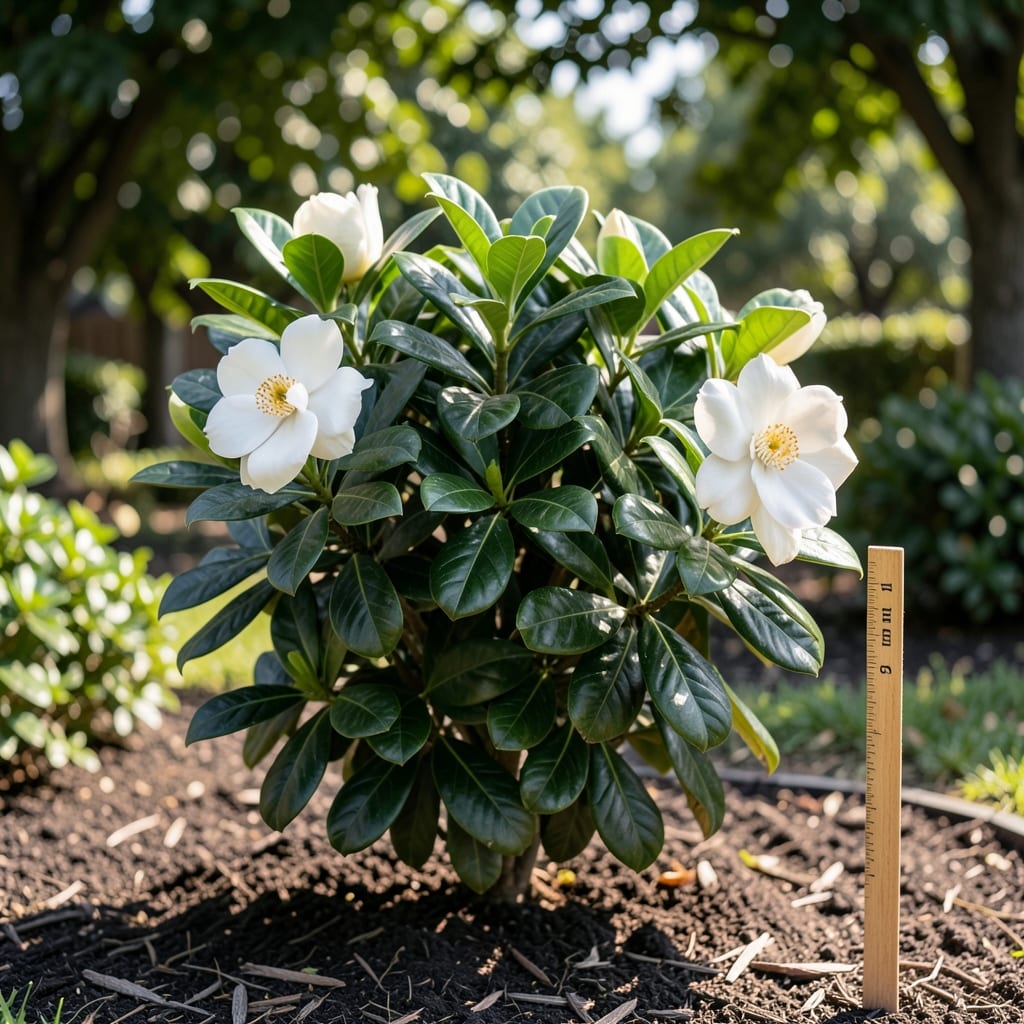
If you're wondering "how tall can gardenia grow", the answer might surprise you—these fragrant beauties 🌸 can range from compact shrubs to towering specimens, completely transforming your garden's look. Whether you're planning a cozy backyard retreat or a grand landscape feature, understanding gardenia size is key to making the right choice for your space.
Most gardenias typically mature between 2 to 6 feet, but some varieties can stretch up to 12 feet when given the right conditions. The variety you pick isn’t just about aesthetics—it affects how much maintenance you’ll need and whether you’ll be pruning at waist level or reaching for a ladder. For example, dwarf gardenias stay under 3 feet, making them perfect for containers or small gardens.
What you might not realize is that factors like pruning, sunlight, and soil quality can dramatically influence how tall your gardenia grows. A well-pruned gardenia stays bushier and more manageable, while one left to its own devices could outgrow its welcome. If you’re dreaming of a fragrant garden but worried about space, don’t fret—there’s a gardenia size for every garden, from tiny balconies to sprawling yards.
Ready to find the perfect fit for your space? I’ll walk you through the most popular gardenia varieties, their mature heights, and the care tips to keep them thriving—no matter how big (or small) you want them to be.


Gardenia height by variety: compact dwarfs to towering giants
Gardenia plants 🌸 come in a stunning range of sizes, from tiny patio-friendly shrubs to towering specimens that can dominate your landscape. The variety you choose isn’t just about aesthetics—it directly impacts how much space you’ll need and what kind of care routine you’ll follow. For instance, some gardenias stay neatly under 3 feet, while others can reach 12 feet when given ideal growing conditions.
Most gardeners start with the classic Gardenia jasminoides, which typically matures between 2 to 6 feet. This variety is the gold standard for fragrant blooms and adaptable growth habits, making it a favorite for both beginners and seasoned gardeners. However, if you’re working with limited space, you’ll want to explore dwarf varieties that stay under 3 feet—perfect for containers or small gardens.
Before we dive into the specifics, here’s a quick visual guide to help you compare the most popular gardenia varieties and their mature heights. This will give you a clear idea of which type fits best in your garden layout.
| Variety | Mature Height | Growth Habit | Best For |
|---|---|---|---|
| Gardenia jasminoides | 2–6 ft | Bushy, rounded | Borders, hedges, containers |
| Gardenia augusta | 6–12 ft | Upright, tree-like | Large gardens, specimen plants |
| Gardenia radicans | 1–3 ft | Trailing, sprawling | Containers, hanging baskets |
| Gardenia fortuniana | 3–5 ft | Compact, bushy | Small gardens, urban spaces |
| Gardenia thunbergia | 4–8 ft | Semi-upright | Privacy screens, large landscapes |
| Dwarf varieties (e.g., 'Kleim's Hardy') | 1–2 ft | Bushy, compact | Patios, balconies, small pots |
The Gardenia jasminoides is the most common choice for home gardens, thanks to its manageable size and fragrant blooms. It thrives in USDA Zones 8–11 and can handle partial shade, making it versatile for various climates. If you’re in a cooler zone, look for cold-hardy varieties like 'Kleim's Hardy', which stays under 2 feet and tolerates temperatures down to 10°F.
For those with larger properties, Gardenia augusta is a showstopper, reaching heights of 12 feet. This variety is perfect for creating a tropical feel in your garden but requires ample space and regular pruning to maintain its shape. If you’re aiming for a privacy screen or a focal point, this is the variety to consider—just be prepared for its rapid growth.
If you’re limited to containers or small spaces, Gardenia radicans is a fantastic option. Its trailing habit makes it ideal for hanging baskets or balcony gardens, where it can spill over edges beautifully. With proper care, it stays between 1 to 3 feet, making it perfect for urban gardeners or those with limited outdoor space.
One of the biggest misconceptions about gardenias is that they all grow into large shrubs. In reality, with the right variety and care, you can keep them as small as 1 foot or let them grow wild up to 12 feet. The key is choosing the right type for your space and understanding how to manage their growth through pruning and training.
For example, if you’re planting near a patio or walkway, a dwarf variety like 'Radicans' will keep things tidy and manageable. On the other hand, if you’re designing a backyard oasis, a taller variety like 'Augusta' can add drama and height to your landscape. The choice is yours—but now you have the facts to make an informed decision!
Ready to explore how to control your gardenia’s height through pruning and training? Let’s dive into the next section to learn how to keep your gardenia at your desired size—whether that’s a compact shrub or a towering beauty.
How to control gardenia height: pruning, training, and spacing tips
Once you’ve picked your gardenia variety, the next step is managing its growth to fit your space perfectly. Pruning isn’t just about keeping your gardenia from becoming a jungle—it’s about shaping it into the ideal size while encouraging more blooms. The key is timing: prune at the right season, and you’ll reward yourself with a bushier, healthier plant that stays within your desired height limits.
For most gardenias, the best time to prune is late winter or early spring, just as new growth begins to emerge. This timing ensures you’re not cutting back blooms or disrupting the plant’s natural cycle. If you’re dealing with a taller variety like Gardenia augusta, you might also need a light trim after flowering to maintain its shape and prevent it from becoming too leggy.
Here’s a step-by-step guide to pruning your gardenia for the perfect height, whether you’re aiming for a compact shrub or a neatly trimmed specimen plant. Follow these steps, and you’ll avoid common mistakes like over-pruning or cutting into old wood, which can stunt growth or reduce flowering.
- 1 Choose the right tools: Use clean, sharp bypass pruners or hand pruners to make precise cuts. Sterilize your tools with rubbing alcohol to prevent disease.
- 2 Identify dead or diseased branches: Remove any yellowing leaves, brown stems, or branches with signs of fungus or pests. Cut these back to healthy growth just above a leaf node.
- 3 Shape the plant: For a bushier look, cut back 1/3 of the oldest growth to encourage new shoots. For a taller, more upright gardenia, trim only the topmost growth.
- 4 Prune for airflow: Thin out overcrowded branches to improve air circulation and reduce the risk of powdery mildew. Aim for a balanced shape with open centers.
- 5 Fertilize after pruning: Apply a balanced fertilizer (like 10-10-10) to support new growth. Water deeply to help the plant recover from pruning stress.
If you’re growing a dwarf variety like Gardenia radicans, you’ll want to focus on light pruning to maintain its compact size. These varieties are perfect for containers, so avoid heavy pruning unless you notice leggy growth. Instead, pinch back the tips of new growth to encourage a fuller, bushier habit.
Spacing is another critical factor in controlling gardenia height. Plant your gardenia at least 3 to 5 feet apart to give it room to grow without competing for nutrients or becoming overcrowded. If you’re planting multiple gardenias, consider their mature size—placing a 6-foot variety too close to a 2-foot dwarf can lead to uneven growth and frustration.
For taller varieties like Gardenia augusta, consider staking or training young plants to guide their growth in the desired direction. Use soft ties to attach branches to a bamboo stake or trellis, which helps maintain an upright form and prevents flopping. This method is especially useful if you’re using gardenias as a privacy screen or focal point in your landscape.
Remember, gardenias respond well to regular care, so don’t be afraid to experiment with pruning techniques. With the right approach, you can keep your gardenia at any height—from a 1-foot patio shrub to a 12-foot tropical giant. The key is patience and consistency, so your gardenia will thrive for years to come.