
How To
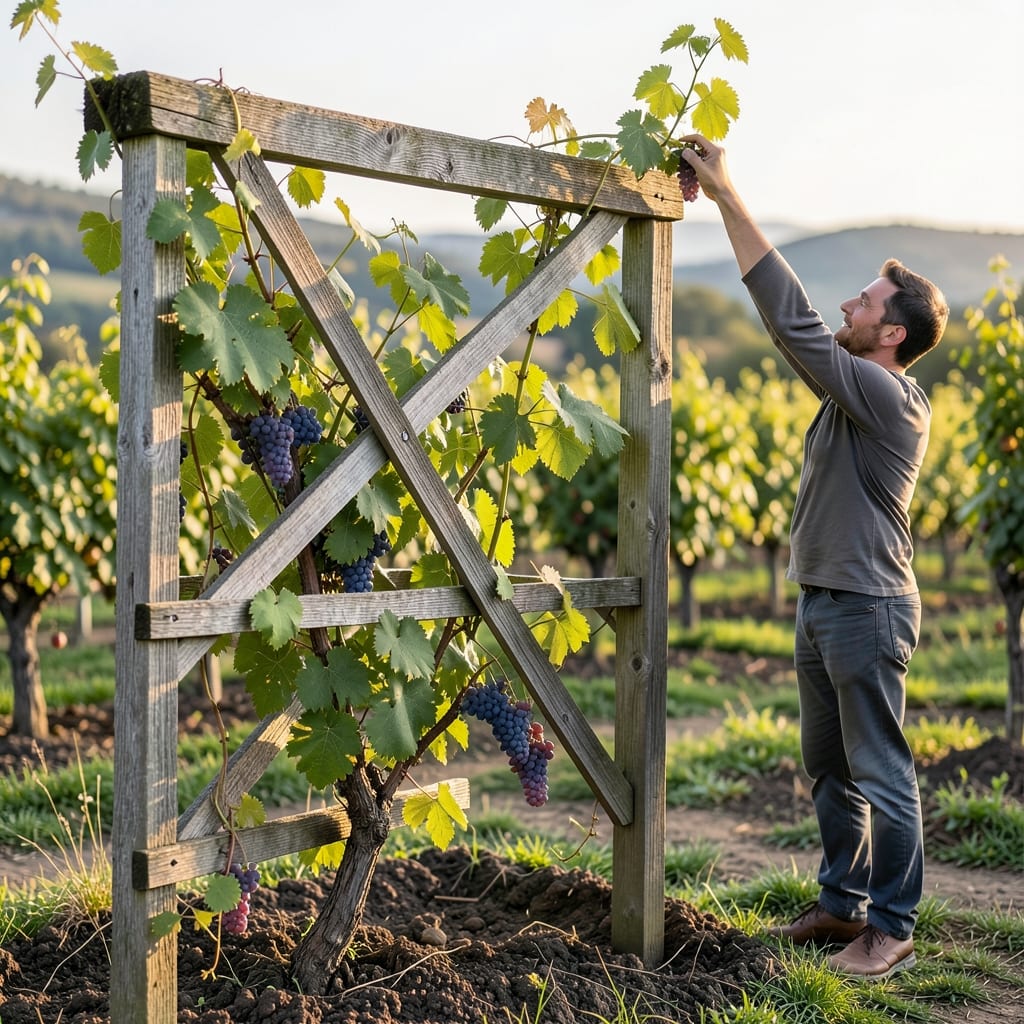
If you’ve ever wondered just how tall that 🍇 grape vine in your backyard could grow—spoiler: the answer might surprise you. Some varieties stay compact enough for a simple trellis, while others can climb higher than a two-story house, stretching toward the sky with wild abandon. The truth is, grape vine height isn’t just about genetics; it’s a mix of training, climate, and even the way you prune.
Let’s start with the basics: most common table grapes like 'Concord' or 'Thomcord' top out around 15–25 feet, making them perfect for home gardens with a sturdy trellis. But if you’re growing wine grapes like 'Cabernet Sauvignon' or 'Chardonnay', expect them to reach 30–60 feet—or even taller—if left unchecked. Wild grape vines? They can hit 80 feet or more, turning your yard into a jungle canopy.
So how do you keep your grape vine from becoming a 50-foot monster? The key lies in pruning, trellising, and choosing the right variety for your space. Whether you’re dreaming of a cozy backyard arbor or a full-blown vineyard, understanding these factors will help you manage growth—and maybe even train your vine to hit that perfect height for your garden’s layout.
Ready to discover the secrets behind grape vine growth? I’ll walk you through everything—from dwarf varieties that stay under 10 feet to the giants that defy gravity. Let’s get started!


Grape vine growth heights by variety: from dwarf to giant climbers
When it comes to grape vines, size isn’t one-size-fits-all—some varieties stay as short as 3–10 feet, perfect for container gardening, while others can soar to 80 feet or more in wild conditions. The key difference? It’s all in the genetics, training methods, and whether you’re growing a cultivated table grape or a wild vine left to its own devices.
Most home gardeners grow table grapes like 'Concord' or 'Thomcord,' which typically reach 15–25 feet when trained on a trellis. These varieties are bred for manageable heights, making them ideal for backyard arbors or pergolas. Meanwhile, wine grapes like 'Cabernet Sauvignon' or 'Chardonnay' can easily hit 30–60 feet if given the space—and the right conditions.
Wild grape vines, like those found in forests or abandoned fields, are the true giants of the vine world. Without human intervention, these vines can stretch 50–80 feet or more, using their tendrils to climb trees, fences, or even buildings. Their growth is driven by an aggressive root system and an uncanny ability to seek out sunlight, even in dense canopies.
Here’s the breakdown of what to expect based on the type of grape vine you’re growing:
The height of your grape vine isn’t just about the variety, though. Rootstock plays a huge role—some grafted vines are bred to stay shorter, while others are encouraged to grow taller for higher yields. For example, a 'Thomcord' grape vine on a dwarfing rootstock might stay under 15 feet, whereas the same variety on a standard rootstock could reach 25 feet or more.
If you’re growing grapes for fruit production, height matters because taller vines often yield more clusters—but they also require more pruning and support. On the other hand, if you’re planting grapes for shade or aesthetic purposes, you might prefer a shorter, bushier variety like 'Concord Compact' to avoid a 50-foot monster taking over your yard.
One common misconception is that all grape vines grow at the same rate. In reality, first-year growth is usually minimal—expect 5–10 feet of new shoots if you’re lucky. By the second year, growth accelerates to 15–20 feet, and by year three, a well-established vine can add 25–35 feet of height annually if left unchecked.
For home gardeners, this means planning ahead. If you’re installing a trellis or arbor, make sure it’s tall enough to accommodate your vine’s mature height. A 10-foot trellis might work for a dwarf variety, but a 20-foot arbor is better suited for semi-dwarf grapes, and a 30-foot pergola is ideal for standard wine grapes.
🌱
How to control grape vine height: pruning, trellising, and training techniques
If you’ve ever watched a grape vine stretch toward the sky like a 50-foot jungle gym, you know how quickly things can get out of hand. The good news? With the right pruning and training techniques, you can keep your vine at your ideal height—whether that’s a 10-foot trellis or a 20-foot pergola. The secret lies in understanding when and how to prune, along with choosing the right support system for your vine’s growth habits.
Most grape vines grow aggressively, especially in their second and third years, when they can add 15–35 feet of new growth annually. Without intervention, a 'Cabernet Sauvignon' vine could easily become a 60-foot monster in just a few seasons. But by mastering seasonal pruning and structural training, you can direct that energy where you want it—whether that’s upward, outward, or even flat against a wall.
Here’s how to tame your grape vine’s height using proven techniques:
- 1 Prune in Dormant Season (Late Winter) ✂️
- 2 Train on a Trellis or Arbor 🪴
- 3 Summer Pruning for Height Control 🌿
- 4 Use Dwarfing Rootstock 🌱
- 5 DIY Trellis Solutions 🔧
Remove 50–70% of last year’s growth to encourage fruit production and control height. Cut back to 2–4 buds per cane for compact growth.
Use a T-bar trellis (for wine grapes) or a simple arbor (for table grapes) to guide vertical growth. For dwarf varieties, a 5–10 foot trellis suffices, while standard vines need 15–25 foot structures.
Pinch back new shoots in June–July to redirect energy to fruit development rather than vertical growth. Remove suckers (shoots growing from the base) to prevent sprawl.
Graft your vine onto a dwarfing rootstock (e.g., '1103 Paulsen') to limit height by 30–50%. Ideal for backyard gardens with limited space.
For 10–20 foot vines, build a wooden pergola or install metal T-posts with horizontal wires. For wild vines, use stronger supports like metal cables or reinforced poles.
One of the biggest mistakes gardeners make is pruning at the wrong time. Pruning in spring (after buds swell) or fall (after harvest) can stimulate uncontrolled growth or invite disease. Instead, always prune in late winter (just before buds break) to shape the vine for the upcoming season. This timing ensures you’re removing last year’s wood while encouraging new, controlled growth.
If you’re growing grapes for fruit production, focus on balanced pruning: keep 4–6 canes per vine, each with 10–15 buds. This setup maximizes sun exposure and airflow, reducing disease risk while keeping the vine manageable. For aesthetic purposes (like a shade vine), you can prune more aggress