
Flowers
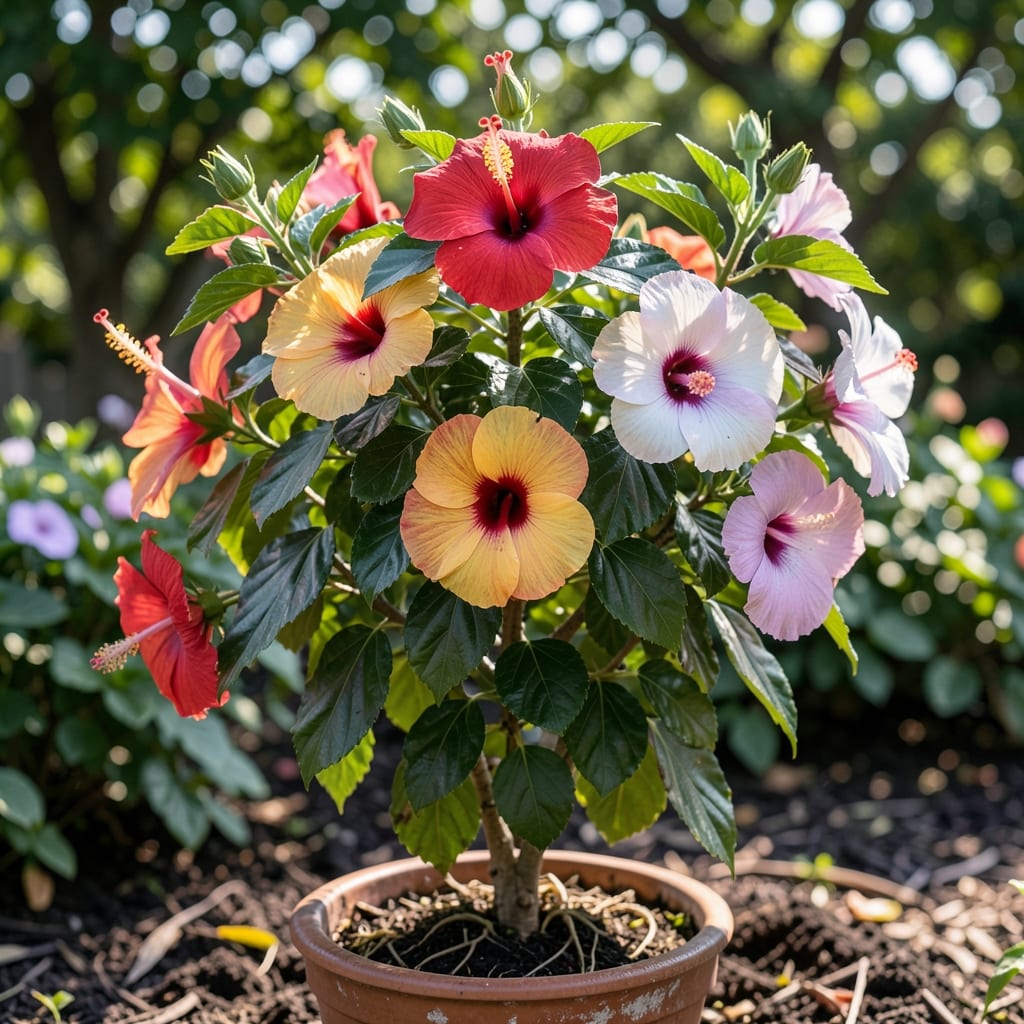
If you're dreaming of adding a hibiscus to your garden but wondering just how tall these stunning 🌸 beauties can grow, you're in the right place. The answer isn't one-size-fits-all—some varieties stay neatly contained in pots, while others reach towering heights that put them on par with small trees.
For gardeners in USDA Zone 6a, where spring planting runs from April to May, the height range can vary dramatically. Tropical hibiscus like Hibiscus rosa-sinensis often soar between 6 to 15 feet when given the right conditions, while hardy hibiscus varieties like Hibiscus moscheutos typically max out around 8 feet. Even dwarf varieties can surprise you, growing up to 5 feet if not properly pruned.
What you'll discover here is how to choose the perfect hibiscus for your space—whether you're working with a cozy balcony or a sprawling backyard. I'll break down the factors that influence their growth, from climate and sunlight to pruning techniques, so you can keep your hibiscus at your ideal height.
Ready to turn your garden into a vibrant hibiscus haven? Let's explore the game-changer tips that'll help you manage their size and enjoy their breathtaking blooms all season long.


Hibiscus growth height by variety: dwarf to tree-sized options
Hibiscus plants are famous for their dramatic blooms, but their height can vary more than you might expect. If you're planning your garden layout, knowing the mature size of your hibiscus variety is critical for avoiding overcrowding or wasted space. Some varieties stay as compact shrubs, while others grow into towering trees—even in the same climate zone.
For example, the Hibiscus rosa-sinensis, a tropical favorite, often reaches 10 to 15 feet when grown outdoors in USDA Zone 6a. Meanwhile, the hardy Hibiscus moscheutos, also known as the rose mallow, typically maxes out around 6 to 8 feet. Even dwarf varieties can surprise you, growing up to 5 feet if not pruned regularly.
Below, I’ve broken down the height ranges for popular hibiscus types, so you can pick the perfect fit for your garden—whether you’re working with a balcony container or a backyard landscape. Each variety has unique care needs that influence its growth, so let’s dive in.
🌿
| Variety | Mature Height | Growth Habit | Best For |
|---|---|---|---|
| Dwarf Hibiscus (Hibiscus rosa-sinensis 'Dwarf Blues') | 3–5 ft | Compact shrub | Containers, small gardens |
| Tropical Hibiscus (Hibiscus rosa-sinensis) | 6–15 ft | Tree-like, sprawling | Large gardens, privacy screens |
| Hardy Hibiscus (Hibiscus moscheutos) | 5–8 ft | Upright, bushy | Perennial borders, cottage gardens |
| Swamp Hibiscus (Hibiscus coccineus) | 6–10 ft | Semi-woody, arching | Wetland gardens, pond edges |
| Hibiscus syriacus (Rose of Sharon) | 8–12 ft | Multi-stemmed shrub | Hedges, large landscapes |
As you can see, the tropical hibiscus is the tallest of the bunch, often requiring regular pruning to keep it manageable. If you’re growing hibiscus in containers, dwarf varieties are your best bet—they thrive in 5-gallon pots and can even be grown indoors near a south-facing window.
For gardeners in Zone 6a, hardy hibiscus like Hibiscus moscheutos are excellent choices because they survive winter and return year after year. These varieties typically bloom from mid-summer to early fall, adding vibrant color to your garden when many other plants are winding down.
If you’re unsure which variety to choose, consider your garden’s sunlight exposure and available space. Hibiscus loves full sun (6+ hours daily), so place taller varieties where they won’t shade out smaller plants. For smaller spaces, pruning in early spring can encourage bushier growth and keep your hibiscus at a manageable height.
🌳
One common mistake I see is assuming all hibiscus grow the same way. For instance, Hibiscus syriacus (Rose of Sharon) can reach 12 feet if left unpruned, while its dwarf cousins stay under 5 feet. Always check the variety’s description before purchasing to avoid surprises down the road.
Pro tip: If you’re growing hibiscus in containers, choose a variety labeled as dwarf or patio-friendly. These are bred to stay compact and are perfect for balconies or patios. Just
Finally, don’t forget that hibiscus growth is influenced by soil quality, watering, and fertilization. Well-draining soil and balanced fertilizer (10-10-10) applied every 4–6 weeks during the growing season will help your hibiscus reach its full potential—whether that’s a towering giant or a neat container plant.
✂️
Hibiscus growth height by variety: dwarf to tree-sized options
When planning your hibiscus garden, the first question is always height. Tropical hibiscus like Hibiscus rosa-sinensis can reach 10-15 feet in ideal conditions, while hardy varieties like Hibiscus moscheutos typically stay between 4-8 feet. Even within these categories, dwarf varieties like Hibiscus 'Pride of Jamaica' max out at just 3-5 feet, making them perfect for containers or small spaces.
Your USDA Zone 6a climate plays a huge role—hardy hibiscus thrive in cooler zones, while tropical varieties need protection from frost. The key difference? Hardy hibiscus are perennial in zones 5-9, while tropical types are annuals or need winter care in colder climates. This means your mature height expectations should account for both variety and your local growing conditions.
Here's a quick breakdown of what to expect from common hibiscus types:
| Variety | Mature Height | Growth Rate | Best For |
|---|---|---|---|
| Tropical Hibiscus (H. rosa-sinensis) | 10-15 ft | 2-4 ft/year | Large gardens, tropical climates |
| Hardy Hibiscus (H. moscheutos) | 4-8 ft | 1-2 ft/year | Perennial borders, USDA 5-9 |
| Dwarf Varieties ('Pride of Jamaica') | 3-5 ft | 1 ft/year | Containers, patios, small yards |
| Swamp Hibiscus (H. coccineus) | 6-10 ft | 2 ft/year | Moist soil areas, wetland gardens |
If you're planting in April-May (after your last frost), tropical hibiscus will need full sun exposure (6-8+ hours daily) to reach their maximum height. Without enough sunlight, even fast-growing varieties may stay 30-50% shorter than expected. For container-grown hibiscus, root restriction can also limit height—pot-bound plants often max out at 60% of their potential size.
Pro tip: If you're working with limited space, choose semi-dwarf varieties like 'Lady Baltimore' (5-6 ft) or 'Dwarf Red' (4-5 ft). These still produce stunning blooms but stay manageable even in small gardens. For large landscapes, tropical hibiscus can become small trees with proper care, creating a dramatic focal point in your outdoor space.
Remember, hibiscus height isn't set in stone—pruning and care can dramatically alter their growth trajectory. In my next section, I'll show you exactly how to control their size using simple techniques that work for both dwarf and towering varieties.