
Size
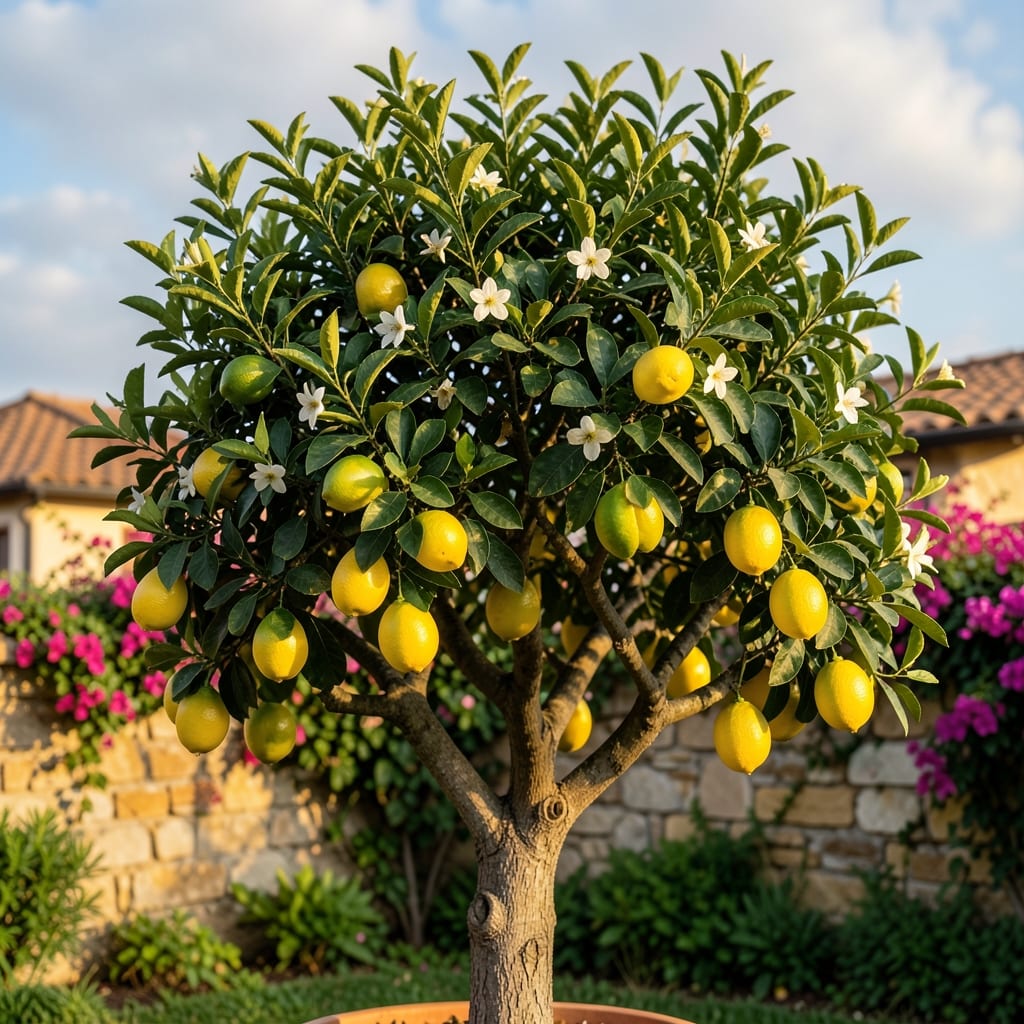
If you’ve ever wondered "how tall can lemon trees grow", the answer might surprise you—especially when comparing a 5-foot dwarf in a pot to a towering 30-foot giant in a backyard. The size of your 🍋 lemon tree depends on more than just genetics; it’s a mix of variety, care, and even your climate zone.
Most home gardeners grow standard varieties like Meyer or Eureka lemons, which typically reach 15-20 feet if left unchecked. But dwarf varieties—like the popular Improved Meyer—stay under 8 feet, making them perfect for containers or small patios. The key? Pruning, sunlight, and soil all play a role in whether your tree stays compact or stretches toward the sky.
Whether you’re dreaming of a year-round lemon harvest in Zone 9b or planning for spring planting in Zone 6, understanding these height differences will help you choose the right variety for your space. Let’s break down the options and tips to keep your lemon tree at your ideal height—no matter how big (or small) you want it to be.
From space-saving hacks for balconies to pruning techniques for full-sized trees, you’ll learn how to control growth without sacrificing those juicy lemons. Ready to pick the perfect size for your garden?

Lemon tree height by variety: dwarf vs. standard vs. giant sizes explained
If you're wondering how tall can lemon trees grow, the answer depends entirely on the variety you choose. Lemon trees range from compact dwarf varieties perfect for containers to towering standard trees that need room to stretch their branches. Understanding these differences helps you plan your garden layout and avoid outgrowing your space.
Most home gardeners grow standard lemon trees like the Eureka or Lisbon varieties, which can reach 15–20 feet tall in ideal conditions. However, if you're limited to a patio or balcony, dwarf varieties like the Meyer lemon stay between 3–5 feet tall when properly pruned. The right choice depends on your space and care goals.
Here’s a quick comparison of lemon tree heights by variety, including growth rates and ideal climates to maximize their potential:
| Variety | Mature Height | Growth Rate | Ideal Climate | Best For |
|---|---|---|---|---|
| Dwarf Meyer | 3–5 ft | Slow (1–2 ft/year) | Zones 9–11 | Containers, patios |
| Semi-Dwarf Eureka | 8–12 ft | Moderate (2–3 ft/year) | Zones 9–11 | Small yards, espalier |
| Standard Lisbon | 15–20 ft | Fast (3–4 ft/year) | Zones 9–11 | Large gardens, orchards |
| Giant (Unpruned) | 25+ ft | Very fast (4+ ft/year) | Tropical climates | Specialty growers |
For example, a Meyer lemon tree in a 15-gallon container will stay under 5 feet tall if pruned regularly, while a standard Eureka lemon tree planted in the ground can easily reach 15 feet without intervention. The key to controlling height lies in pruning techniques and container size, which we’ll cover in the next section.
Climate also plays a role in how tall your lemon tree grows. In warmer climates (Zones 9–11), lemon trees grow faster and taller due to longer growing seasons. Meanwhile, in cooler climates (Zones 6–8), growth slows significantly, often capping mature heights at 10–12 feet unless grown in containers and brought indoors during winter.
If you're growing lemons in Zone 6 or colder, consider dwarf varieties or grafted trees, which are hardier and easier to manage. For instance, a Meyer lemon grafted onto a dwarf rootstock will stay compact while producing abundant fruit, making it ideal for small spaces.
One common misconception is that all lemon trees grow tall if left unpruned. While this is true for standard varieties, dwarf and semi-dwarf trees are genetically bred to stay small, even without pruning. However, pruning still encourages bushier growth and better fruit production, so don’t skip this step even with dwarf varieties.
For those in urban settings, espaliered lemon trees are a game-changer. By training the tree to grow flat against a wall or fence, you can keep it under 6 feet tall while maximizing fruit yield. This technique works especially well with semi-dwarf varieties like the Improved Meyer lemon.
Ultimately, the height of your lemon tree depends on three factors: variety selection, pruning habits, and growing conditions. By choosing the right type for your space and maintaining it properly, you can enjoy fresh lemons without sacrificing your garden layout.
🌱
How to control lemon tree height: pruning, training & space-saving techniques
Now that you know how tall lemon trees can grow, let’s tackle the real question: how do you control their height? Whether you’re dealing with a 15-foot standard tree or a 5-foot dwarf, the right techniques will keep your lemon tree at your desired size while maximizing fruit production. The key lies in pruning, training, and container management, all tailored to your variety and space.
Pruning isn’t just about cutting branches—it’s about redirecting growth energy. For example, heading back (trimming the tips of branches) encourages bushier growth, while thinning (removing entire branches) improves airflow and fruit access. If your Meyer lemon is shooting up too fast, a light pruning session every 3–4 months will keep it under 5 feet in a container.
Here’s a step-by-step guide to managing your lemon tree’s height, from pruning basics to advanced training methods:
- Use sterilized pruners to cut just above a leaf node (where new growth emerges).
- Remove suckers (shoots growing from the base) to prevent overgrowth.
- Trim overlapping branches to improve sunlight penetration and fruit yield.
- For dwarf varieties, prune lightly in early spring to encourage compact growth.
- Attach branches to a trellis or fence using soft ties to grow flat against a wall.
- Prune to maintain a 3–4 foot height while maximizing fruit-bearing branches.
- Ideal for small spaces like balconies or urban gardens.
- Use a 15–25 gallon container for dwarf varieties to limit root growth.
- Repot every 2–3 years to refresh soil and prevent root-bound stress.
- Place containers in full sun (6+ hours/day) for optimal growth control.
For standard lemon trees in the ground, prune in late winter or early spring before new growth begins. Focus on removing dead or crossing branches first, then shape the tree to your desired height. If your tree is already too tall, gradual pruning over 2–3 years will bring it down safely without shocking the plant.
One game-changing technique for small spaces is espalier training. By growing your lemon tree flat against a wall or fence, you can keep it under 6 feet tall while still producing hundreds of lemons. This method works especially well with semi-dwarf varieties like the Improved Meyer lemon, which thrive when trained vertically.
If you’re growing lemons in Zone 6 or colder, winter care is critical for height control. Bring container-grown trees indoors during frost, where they’ll grow slower and stay more manageable. In-ground trees may need winter pruning to remove frost-damaged branches and encourage spring regrowth at a controlled pace.
Remember, less pruning = taller tree, while frequent pruning = compact growth. Even dwarf varieties benefit from occasional trimming to encourage bushier, fruit-heavy growth. With these techniques, you can enjoy fresh lemons without your tree taking over your garden—or your balcony!
🪴