
How To
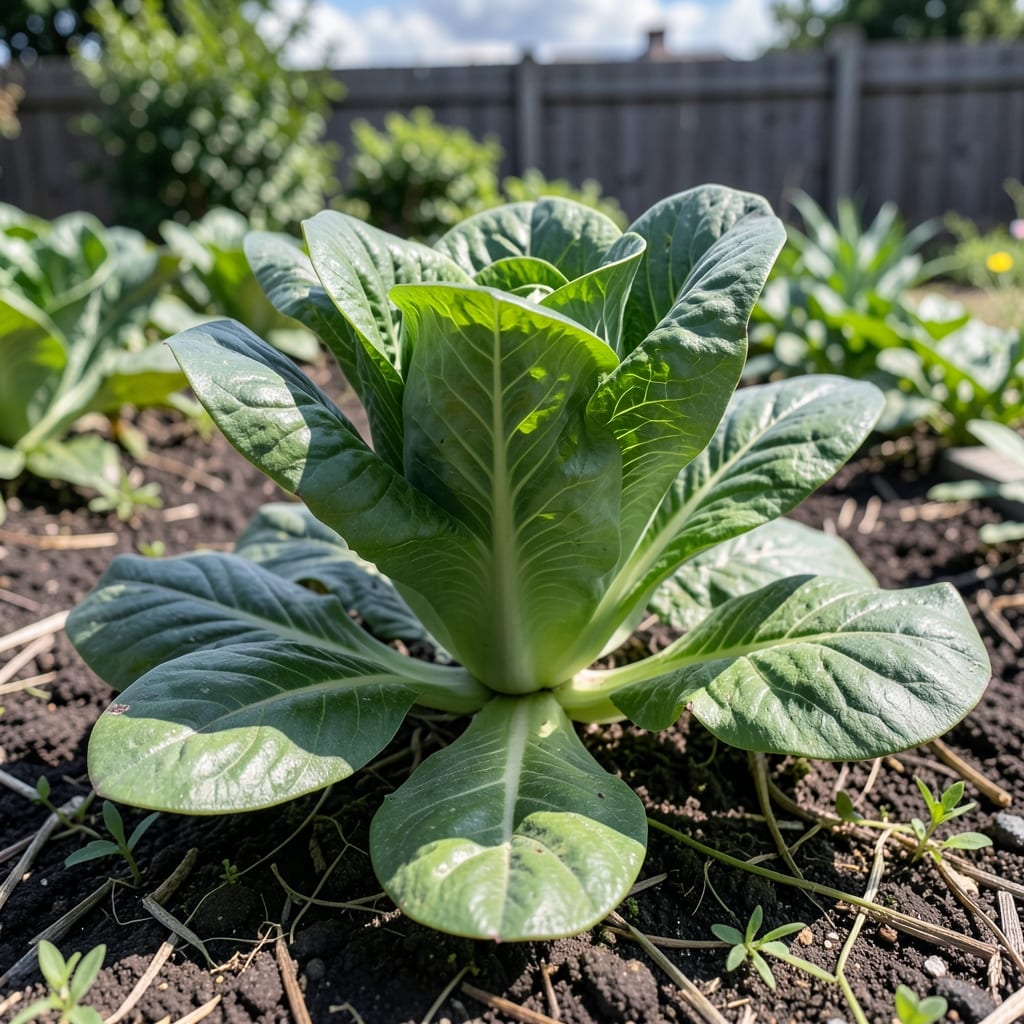
If you’ve ever wondered just how tall your 🥬 lettuce can grow, you’re about to get the answer—and maybe a few surprises along the way. Some varieties stretch taller than you’d expect, reaching heights of 2 feet or more, while others stay compact for small gardens or containers.
But here’s the catch: the height of your lettuce depends on more than just the variety you pick. Growing conditions, like sunlight, soil, and even when you plant, play a huge role in how tall your 🥬 lettuce becomes. Whether you’re working with leaf lettuce, crisp romaine, or fluffy butterhead, knowing these factors can help you grow the perfect salad greens—no matter how much space you have.
Let’s break down the height ranges of common lettuce types and share practical tips to encourage taller growth without sacrificing yield. From spacing and pruning to choosing the right varieties, you’ll learn how to maximize your harvest—even in a tiny garden.
Ready to grow lettuce that’s not just delicious but also impressive? Let’s dive into the details so you can enjoy a bountiful, space-saving harvest all season long.


Lettuce height breakdown: from baby greens to towering varieties
Lettuce isn’t just one-size-fits-all when it comes to height. Some varieties stay small and compact, perfect for container gardening, while others can grow tall enough to reach 2 feet or more. The key lies in understanding the growth habits of each type—whether it’s loose-leaf, romaine, butterhead, or heirloom varieties.
For example, leaf lettuce like Black Seeded Simpson typically stays between 6 and 12 inches tall, making it ideal for quick harvests. On the other hand, romaine lettuce, such as Cos or Little Gem, can grow 12 to 18 inches tall with long, crisp stalks. Meanwhile, butterhead varieties like Bibb or Buttercrunch usually max out around 8 to 12 inches.
Heirloom and tall-growing varieties are where things get interesting. Some, like Jericho romaine or Oakleaf lettuce, can stretch up to 24 inches tall under the right conditions. These taller types are perfect if you’re working with vertical space or want to maximize yield in a small garden.
But here’s the catch: height isn’t just about the variety. Growing conditions like sunlight, soil fertility, and even watering habits can push your lettuce to reach its full potential—or keep it stunted. For instance, overcrowding seedlings can stunt growth, while rich, well-draining soil encourages taller, healthier plants.
| Variety | Height Range | Growth Habit | Best For |
|---|---|---|---|
| Leaf Lettuce (e.g., Black Seeded Simpson) | 6–12 inches | Loose, continuous harvest | Containers, cut-and-come-again |
| Romaine (e.g., Cos, Little Gem) | 12–18 inches | Tall, upright stalks | Vertical gardens, salads |
| Butterhead (e.g., Bibb, Buttercrunch) | 8–12 inches | Soft, rounded heads | Salads, small gardens |
| Heirloom (e.g., Jericho, Oakleaf) | 18–24 inches | Tall, decorative leaves | Vertical space, ornamental |
| Baby Greens (e.g., Lollo Rossa, Red Sails) | 4–8 inches | Compact, quick harvest | Microgreens, small pots |
The height of your lettuce also depends on how you harvest it. For example, cut-and-come-again methods encourage shorter, bushier growth, while letting romaine or heirloom varieties mature will result in taller plants. If you’re growing for salad greens, you might prefer shorter types, but if you’re aiming for long, crisp stalks, taller varieties are the way to go.
Another factor to consider is bolting, which happens when lettuce sends up a flower stalk in response to heat or stress. This can stunt growth and make leaves bitter. To prevent bolting, choose heat-tolerant varieties like Romaine or Oakleaf, and provide consistent moisture and partial shade during hot spells.
For container gardeners, taller varieties like Jericho romaine can still thrive in deep pots (at least 12 inches deep) as long as you provide supportive stakes or allow them to sprawl naturally. Meanwhile, leaf lettuce can do well in shallow containers, making it perfect for balcony gardens or windowsill setups.
If you’re curious about how to encourage taller growth in your lettuce, the next section will cover practical tips for spacing, soil, and care—so you can grow lettuce that’s not just tall but also thriving and productive. Stay tuned!
How to maximize lettuce height without sacrificing yield
Want your lettuce to reach its full height potential without compromising flavor or yield? The secret lies in proper spacing, soil nutrition, and smart watering techniques. Unlike many garden veggies, lettuce thrives when given room to grow—crowding stunts height and encourages leggy, weak plants. Start by spacing seedlings 12-18 inches apart for varieties like romaine, while leaf lettuce can handle 6-10 inches of space.
For taller varieties, consider using trellises or stakes to support upright growth. Romaine lettuce, in particular, benefits from gentle staking to prevent flopping. Even leaf lettuce can grow taller with support, especially in windy conditions. I’ve found that bamboo stakes or chicken wire work perfectly for lightweight varieties without restricting airflow.
🌱Soil fertility plays a critical role in height development. Lettuce loves nitrogen-rich soil but can suffer from over-fertilization, which leads to rapid bolting. Instead, focus on compost-amended soil with a balanced 5-10-10 fertilizer applied lightly at planting and again when plants reach 4-6 inches tall. Overdoing it with nitrogen can make leaves soft and prone to disease.
Watering is where many gardeners go wrong. Lettuce needs consistent moisture, but overwatering can lead to root rot while underwatering causes bolting. Aim for 1 inch of water per week, delivered in deep morning waterings. Avoid wetting leaves to prevent fungal diseases like downy mildew, which can stunt growth. During summer, I’ve had success using drip irrigation to keep soil evenly moist without stressing the plants.
Heat is lettuce’s biggest enemy when it comes to height. When temperatures rise above 75°F (24°C), most varieties bolt quickly. To combat this, choose heat-tolerant varieties like Jericho romaine or Oakleaf, and provide afternoon shade using shade cloth or planting near taller crops. Mulching with straw also helps maintain cool soil temperatures and conserves moisture.
Finally, harvesting techniques can influence height. For continuous growth, use the cut-and-come-again method—harvest outer leaves while leaving the inner rosette intact. This encourages bushier, taller growth over time. For head lettuce like romaine, wait until the plant reaches full maturity (typically 60-70 days) for maximum height and crispness.
With these practical tips, you can grow lettuce that reaches its full height potential while staying productive and delicious. Next, we’ll explore the best tall varieties perfect for small gardens and containers—so you can make the most of every inch of space! 🌿