
Size
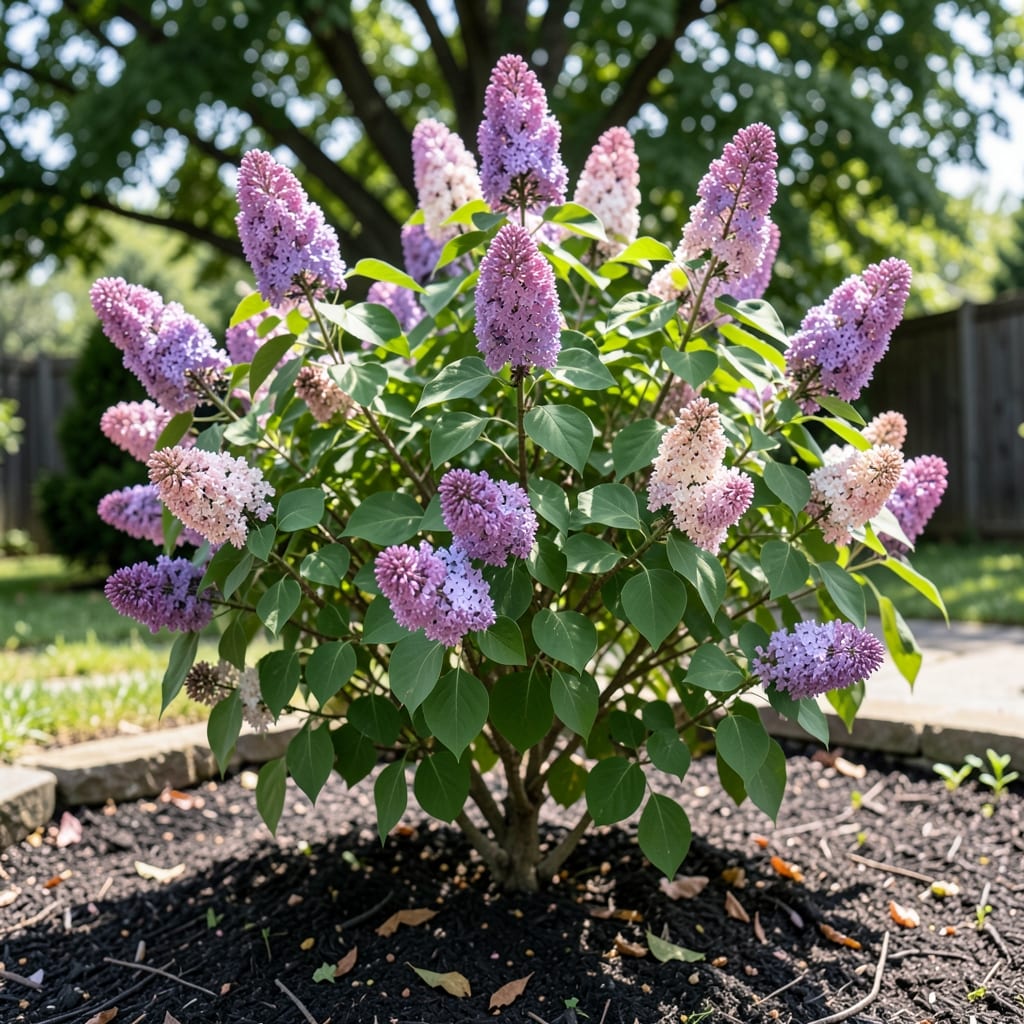
Have you ever wondered just how tall that fragrant 🌸 lilac in your neighbor’s yard could grow if left completely unchecked? The answer might surprise you—because while some varieties reach towering heights of 15 feet or more, others stay compact enough for even the smallest gardens.
If you're planning your landscape or simply curious about how much space to allocate, knowing the mature height range of lilacs is the first step. Most common types grow between 6 and 12 feet, but dwarf varieties can stay as short as 4 feet, making them perfect for urban spaces or container gardening.
What you’ll discover here is how to choose the right lilac for your space, plus the key pruning techniques that keep these shrubs from becoming unruly giants. Whether you're dealing with a sprawling backyard or a cozy balcony, we’ve got the insights to help you manage their growth like a pro.
From selecting the perfect variety to mastering the art of pruning, this guide covers everything you need to know to enjoy those iconic blooms without sacrificing your garden’s layout. Let’s get started!

Lilac mature heights by type: common varieties and their growth habits
Lilacs are iconic for their fragrant blooms and hardy nature, but their mature heights vary dramatically depending on the variety. If you're planning your garden layout, knowing these differences can help you choose the perfect shrub size for your space. Most lilacs fall into three main categories: dwarf, semi-dwarf, and standard varieties, each with distinct growth patterns.
Dwarf lilacs, like the popular 'Minnesota Snowflake', typically reach 4 to 6 feet at maturity, making them ideal for small gardens, containers, or urban landscapes. These compact varieties grow slowly and rarely require pruning to control their height, which is a huge plus for low-maintenance gardeners.
Semi-dwarf varieties, such as 'Bloomerang' or 'Dwarf Korean', strike a balance with heights of 6 to 8 feet. They’re versatile enough for suburban yards or as focal points in mixed borders, offering a moderate growth rate that’s easy to manage with basic pruning techniques.
Now, let’s talk about the giants: standard lilacs like 'Katherine Havemeyer' or 'Arctic Snow' can soar to 8 to 15 feet or even taller if left unpruned. These varieties are perfect for large landscapes, privacy screens, or as statement plants in spacious gardens. Their towering presence makes them a standout feature, but they do require more space and regular pruning to keep them in check.
Weeping lilacs, like 'Pendula', are a unique category with heights of 6 to 10 feet but a sprawling, cascading habit. They’re perfect for adding drama to arbors, trellises, or as a stunning focal point in cottage-style gardens. Their arching branches create a natural, romantic look that’s hard to replicate with other shrubs.
When planning your garden, consider not just the height but also the spread of the lilac. Standard varieties can grow 6 to 10 feet wide, while dwarf types stay compact at 3 to 5 feet wide. This spread is crucial for spacing multiple shrubs or integrating them into existing plantings without overcrowding.
Another factor to consider is the growth rate. Dwarf lilacs grow slowly, adding only a few inches per year, while standard varieties can shoot up 1 to 2 feet annually if left unpruned. If you’re working with limited space, opting for a dwarf variety can save you from future pruning headaches and ensure your lilac stays where you planted it.
For those with large landscapes, standard lilacs offer unmatched height and fragrance, but they do require regular pruning to maintain their shape and prevent them from becoming unruly. If you’re unsure about pruning, semi-dwarf varieties are a great compromise—they offer height without the maintenance demands of their taller counterparts.
Pro tip: If you love the look of lilacs but lack space, consider container gardening. Dwarf varieties thrive in large pots, allowing you to enjoy their fragrance and beauty on patios, balconies, or even indoors near a sunny window. Just ensure the container has adequate drainage to prevent root rot.
Finally, remember that soil quality and sunlight exposure play a role in how tall your lilac grows. Well-draining soil and full sun (6+ hours daily) encourage healthy, vigorous growth, while poor soil or shade can stunt their development. With the right conditions, even dwarf lilacs can reach the upper end of their height range.
🌸
Lilac mature heights by type: common varieties and their growth habits
When planning your garden, knowing how tall different lilac varieties can grow is essential for spacing and design. Most lilacs reach maturity between 6 and 12 feet, but some dwarf types stay as short as 4 feet. The variety you choose directly impacts your garden layout and maintenance needs.
For example, the classic ‘Katherine Havemeyer’ lilac can grow up to 15 feet tall, making it ideal for large landscapes or privacy screens. On the other hand, ‘Dwarf French’ varieties like ‘Mme. Lemoine’ stay compact at just 4 to 6 feet, perfect for small gardens or containers.
Here’s a quick comparison of popular lilac types and their mature heights to help you decide which fits your space best:
| Variety | Mature Height | Best For |
|---|---|---|
| ‘Katherine Havemeyer’ | 12–15 ft | Large gardens, privacy screens |
| ‘Common Lilac’ (Syringa vulgaris) | 8–12 ft | Suburban yards, hedges |
| ‘Dwarf French’ (e.g., ‘Mme. Lemoine’) | 4–6 ft | Containers, small gardens |
| ‘Bloomerang’ (reblooming) | 6–8 ft | Urban spaces, reblooming needs |
| ‘Weeping Lilac’ (e.g., ‘Tina’) | 8–10 ft | Accent plants, focal points |
If you’re working with limited space, dwarf varieties are your best bet. They thrive in containers or along fences, while standard types need room to spread their 6-foot-wide canopies. Always check the specific variety’s growth habits before planting to avoid overcrowding.
Another factor influencing height is pruning practices. Regular pruning can keep even tall varieties manageable, while neglect can lead to unruly growth. We’ll cover pruning tips in the next section to help you maintain your lilacs at your desired height.
Whether you’re aiming for a towering statement plant or a compact container specimen, choosing the right lilac variety ensures your garden stays both beautiful and functional.