
Trees
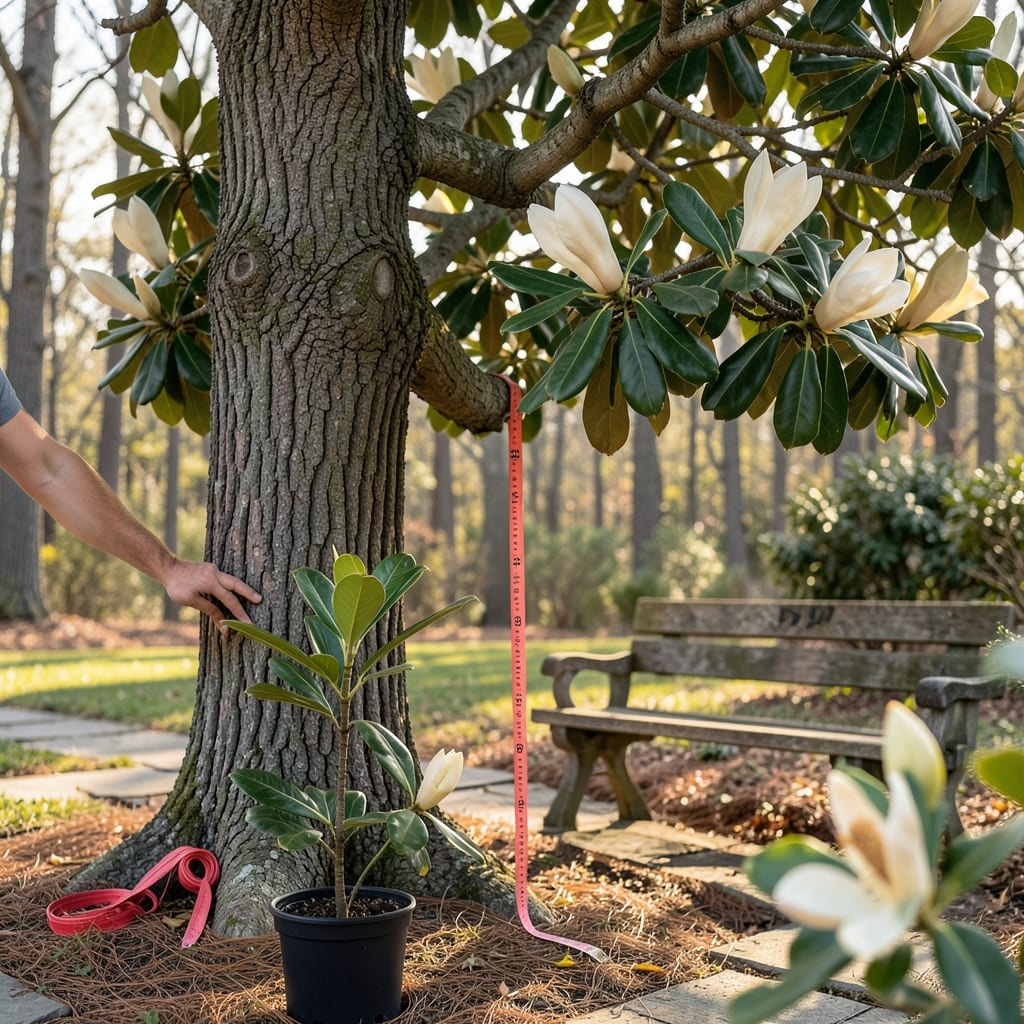
If you’ve ever dreamed of a backyard centerpiece that feels like stepping into a fairy tale, how tall can magnolia trees grow might just be the question on your mind. These stunning 🌸 trees can stretch from mere feet to towering heights of over 100 feet, depending on the variety and growing conditions.
Picture this: a Southern Magnolia reaching for the sky like a living skyscraper, while a Little Gem stays compact enough for even the smallest gardens. The difference isn’t just in their height—it’s in how they transform your outdoor space, whether you want a dramatic focal point or a delicate accent.
But here’s the catch: their growth isn’t just about genetics. Soil quality, sunlight, and even your pruning habits play a huge role in determining how big—or small—they’ll become. I’ll break down everything you need to know to choose the perfect magnolia for your space and keep it thriving.
Ready to turn your yard into a magnolia masterpiece? Let’s explore the possibilities and find the perfect fit for your landscape dreams.

Magnolia tree height by species: from dwarf varieties to towering giants
If you’re planning your garden layout, knowing how tall can magnolia trees grow is key to choosing the right variety. Some magnolias stretch toward the sky like cathedral ceilings, while others stay small enough for a cozy patio. The difference often comes down to the species—each with its own growth habits and mature size expectations.
For instance, the iconic Southern Magnolia (Magnolia grandiflora) can reach 60-80 feet at maturity, making it a true giant. Meanwhile, the Little Gem (Magnolia grandiflora 'Little Gem') stays a modest 15-25 feet, perfect for urban yards or small landscapes. The choice you make will shape your garden’s future for decades.
Below, I’ve compiled a breakdown of 12+ magnolia species, highlighting their mature heights, growth rates, and ideal climates. Whether you’re after a towering shade tree or a delicate dwarf, this guide will help you pick the perfect fit.
🌳 Magnolia Tree Height Guide
| Variety | Mature Height (ft) | Growth Rate | Best For |
|---|---|---|---|
| Southern Magnolia (M. grandiflora) | 60-80 ft | Slow to moderate | Shade trees, large yards |
| Tulip Magnolia (M. × soulangeana) | 20-30 ft | Moderate | Specimen trees, small gardens |
| Little Gem (M. grandiflora 'Little Gem') | 15-25 ft | Slow | Urban yards, containers |
| Star Magnolia (M. stellata) | 10-20 ft | Slow | Small gardens, early blooms |
| Saucer Magnolia (M. × loebneri) | 20-30 ft | Moderate | Specimen trees, fragrant blooms |
| Yulan Magnolia (M. denudata) | 25-35 ft | Moderate | Traditional gardens, fragrant flowers |
| Black Tulip Magnolia (M. campbellii) | 30-40 ft | Slow to moderate | Shade trees, woodland gardens |
| Jane (M. × loebneri 'Jane') | 15-20 ft | Slow | Small spaces, early blooms |
| Teddy Bear Magnolia (M. × 'Teddy') | 10-15 ft | Slow | Dwarf varieties, containers |
| Sunset Magnolia (*M. × 'Sunset') | 20-25 ft | Moderate | Specimen trees, colorful blooms |
When selecting a magnolia, consider not just its mature height but also
How to control magnolia tree height: pruning, grafting, and site selection
If you’ve fallen in love with a magnolia variety but worry about it outgrowing your space, don’t despair! You can control magnolia tree height through smart planning and regular maintenance. The key lies in understanding when and how to prune, selecting the right dwarf varieties, and optimizing growing conditions to naturally limit height.
For example, Little Gem stays compact at 15-25 feet, while Southern Magnolia can reach 80 feet—but even giants can be managed with proper techniques. I’ll walk you through the most effective methods to keep your magnolia at your desired height, whether you want a 10-foot accent tree or a 20-foot specimen.
Pruning is the most common way to control height, but timing matters. Never prune in late summer or fall, as this can stimulate new growth that won’t harden off before winter. Instead, focus on late winter or early spring when the tree is still dormant but just before buds swell. This ensures cleaner cuts and promotes healthier regrowth.
⚠️ Pruning Pitfalls to Avoid
• Over-pruning young trees: This can stunt growth permanently and weaken the tree’s structure.
• Cutting too close to branches: Leave at least 1/4 inch above the branch collar to prevent damage.
• Pruning during wet weather: This increases the risk of disease transmission.
• Removing more than 25% of foliage at once: This stresses the tree and can reduce flowering.
For dwarf varieties, focus on root pruning during transplanting to encourage a smaller, bushier growth habit. Dig a trench around the root ball and trim the outer roots by about 1/3 before planting. This technique works especially well for Teddy Bear Magnolia or Jane Magnolia, which naturally stay under 20 feet.
Site selection also plays a crucial role. Planting your magnolia in partial shade (especially afternoon shade) can slow its vertical growth while still allowing it to thrive. Avoid full sun, which often accelerates height growth. Additionally, well-draining, slightly acidic soil (pH 5.0-6.0) supports healthier, more controlled growth patterns.
Finally, consider grafting if you want to maintain a specific height long-term. Many nurseries offer pre-grafted dwarf magnolias, where the scion (top growth) is genetically limited in size. This method is more advanced but offers precise control over your tree’s mature height.