
Flowers
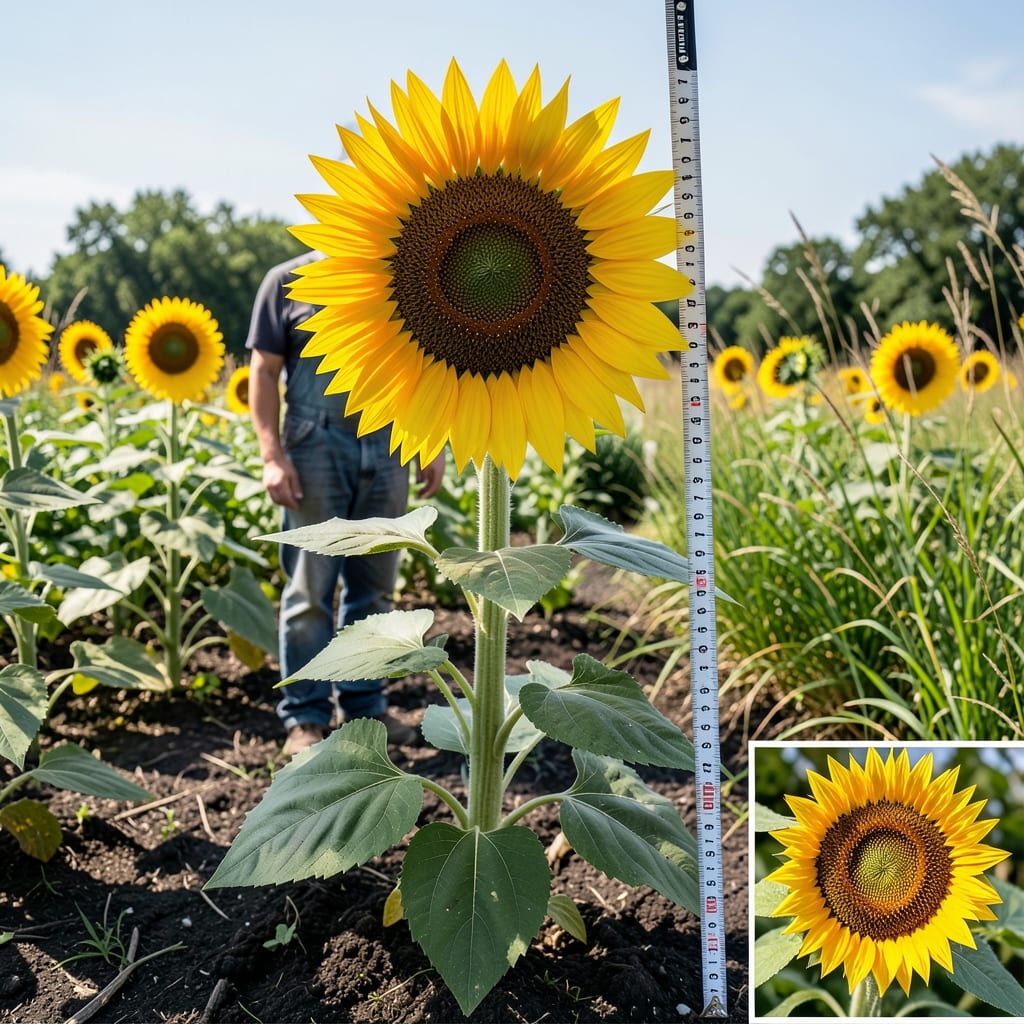
If you’ve ever wondered how tall can mammoth sunflowers grow, the answer might surprise you—these towering beauties can reach heights that dwarf even the tallest basketball hoops, sometimes stretching up to 14 feet or more! 🌻 Whether you're dreaming of a backyard skyline or just curious about nature’s giants, understanding their growth potential is the first step to cultivating your own sunflower superstar.
The truth is, Mammoth sunflowers aren’t just tall—they’re record-breakers, with some varieties like 'Mammoth Russian' or 'American Giant' pushing the limits of what’s possible in your garden. But here’s the catch: their height depends on more than just genetics. Soil quality, sunlight exposure, and even the right care techniques play a huge role in whether your sunflower will hit its full potential or stay on the shorter side.
If you’re planning to grow these giants in your USDA Zone 6a garden, timing is everything. Planting in April or May gives them the ideal 165 frost-free days to grow, while proper spacing and support can prevent them from toppling over under their own weight. With the right approach, you could be harvesting sunflowers that rival the height of a two-story building—imagine the conversation starter!
Ready to turn your garden into a sunflower skyline? I’ll walk you through the exact care tips, from soil prep to staking, that’ll help your Mammoth sunflowers reach their maximum height. Let’s get growing!

Mammoth sunflower height by variety: what to expect from dwarf to giant types
When it comes to Mammoth sunflower height, the numbers can be jaw-dropping. These varieties aren’t just tall—they’re architectural statements in your garden. The average height for most Mammoth sunflowers ranges between 8 to 14 feet, but some record-breaking specimens have even topped 16 feet with ideal care. 🌻 The key to unlocking their full potential lies in choosing the right variety for your space and climate.
Not all Mammoth sunflowers are created equal. Some varieties prioritize early blooming over height, while others focus on maximum stature. For instance, the 'American Giant' variety is famous for its towering presence, often reaching 12 to 14 feet, while 'Autumn Beauty' might max out at 10 to 12 feet but offers stunning bicolor blooms. If you're in USDA Zone 6a, timing your planting in April or May gives these giants the 165 frost-free days they need to stretch their full height.
Here’s a quick look at how some of the most popular Mammoth sunflower varieties stack up in terms of height:
| Variety | Average Height | Growth Habit | Best For |
|---|---|---|---|
| Mammoth Russian | 10–14 ft | Tall, sturdy stems | Large gardens, record-breaking |
| American Giant | 12–14 ft | Extremely tall, needs support | Showstopper displays, tall spaces |
| Autumn Beauty | 10–12 ft | Medium height, early bloomer | Cut flowers, extended season |
| Russian Giant | 12–16 ft | Record-breaking, needs strong support | Specialty growers, competitions |
| Mammoth Single | 8–12 ft | Single blooms, slightly shorter | Home gardens, pollinators |
If you’re wondering whether these sunflowers can grow even taller, the answer is yes—but it requires perfect conditions. Factors like soil fertility, sunlight exposure, and consistent watering can push heights beyond the average. For example, in full sun conditions with nutrient-rich soil, a 'Russian Giant' can easily surpass 14 feet, while a 'Mammoth Single' might max out at 12 feet without extra care. 🌱
For home gardeners with limited space, varieties like 'Autumn Beauty' or 'Mammoth Single' are excellent choices because they strike a balance between height and manageability. Even at 10–12 feet, they’ll still make a dramatic statement without overwhelming smaller yards. Just be sure to give them at least 18–24 inches of space between plants to prevent overcrowding, which can stunt growth.
One common misconception is that taller sunflowers always mean larger blooms. While height and bloom size are often correlated, some varieties like 'Autumn Beauty' prioritize vibrant colors and longer vase life over sheer height. If your goal is to grow the tallest possible sunflower, focus on varieties like 'American Giant' or 'Russian Giant', but be prepared to invest extra time in staking and support to keep them upright. ✂️
Pro tip: If you’re growing Mammoth sunflowers for cut flowers, aim for varieties like 'Autumn Beauty', which not only reach impressive heights but also boast long stems that hold up well in arrangements. Their bicolor blooms add a splash of color that’s perfect for bouquets or dried flower arrangements. For the ultimate height challenge, however, nothing beats the Russian Giant—just be ready to dedicate space and care to see it reach its full potential.
Ready to take your sunflower game to the next level? The next section will dive into the care secrets that turn these height potentials into reality—from soil prep to staking techniques that keep your giants standing tall. Let’s get growing! 🌿
Proven care tips to maximize Mammoth sunflower height: soil, sun, and support secrets
If you’re aiming for Mammoth sunflower heights that rival two-story buildings, the secret isn’t just picking the right variety—it’s creating the perfect growing conditions. These giants thrive when their roots dive deep into nutrient-rich, well-draining soil, and their leaves soak up uninterrupted sunlight for hours each day. Without these basics, even the tallest varieties like 'Russian Giant' will struggle to reach their full potential. 🌱
Start with soil preparation that’s as impressive as the sunflowers themselves. Amend your garden bed with compost or aged manure to boost organic matter, and mix in a balanced fertilizer (10-10-10) at planting time. Mammoth sunflowers are heavy feeders, so they’ll reward you with extra height when given the right nutrients. Aim for a soil pH between 6.0 and 7.0—too acidic or alkaline, and you’ll see stunted growth.
Here’s a critical care tip that many gardeners overlook: deep watering is non-negotiable for towering sunflowers. Instead of light sprinkles, water deeply every 2–3 days during peak growth (June–August) to encourage strong root development. Shallow watering leads to weak stems that can’t support their own weight—imagine a 12-foot sunflower toppling over like a skyscraper in a hurricane! 💧
⚠️ Common Mistakes That Stunt Growth
Overcrowding: Planting too close (less than 18 inches apart) competes for nutrients and sunlight, capping height at 8–10 feet instead of 12–14 feet.
Partial shade: Sunflowers need 6+ hours of direct sun daily. Even 2 hours less can reduce height by 20–30%.
Inconsistent watering: Drought stress causes stems to thicken but weakens structural integrity, increasing the risk of snapping.
No staking: Varieties like 'American Giant' can reach 14 feet but often flop without support, especially in windy conditions.
Now, let’s talk sunlight, the fuel that powers their vertical growth. Mammoth sunflowers are sun worshippers, and full sun (6–8 hours daily) is non-negotiable. If your garden gets partial shade—say, from a nearby tree or fence—consider growing shorter varieties like 'Autumn Beauty' (10–12 feet) instead. For maximum height, plant in the southernmost part of your yard, where they’ll bask in morning sun and avoid afternoon shade. 🌞
Support is the final piece of the puzzle, especially for varieties that push 12 feet or taller. Use bamboo stakes or tomato cages inserted at planting time, tying the main stem loosely with soft plant ties every 2–3 feet as it grows. Pro tip: For extra stability, bury the stake 12–18 inches deep and add a second stake on the opposite side if your sunflower is in a windy area. Without support, even the sturdiest stems can’t handle their own weight—imagine a 14-foot sunflower leaning like a drunk skyscraper! ✂️
Ready to put these tips into action? The next section will show you how to track your sunflower’s growth week by week, so you can celebrate every inch of progress—and troubleshoot issues before they stunt your giant’s potential. Let’s grow those sunflowers sky-high! 🌿