
Size
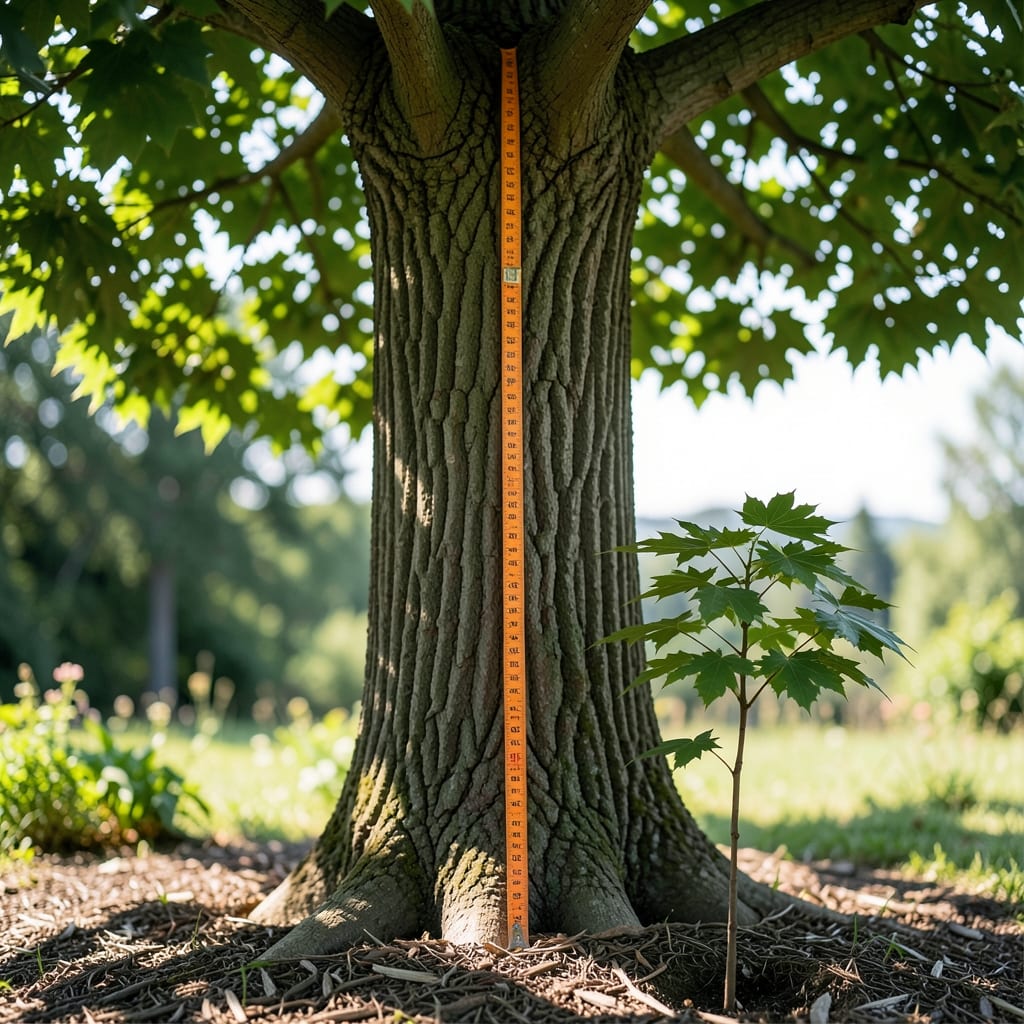
If you’ve ever wondered just how tall a maple tree 🌳 can grow, the answer might surprise you—some varieties stretch taller than a 10-story building, while others stay compact enough for cozy backyard shade. The difference comes down to species, growing conditions, and a little bit of patience.
Picture this: a sugar maple reaching 75 to 100 feet in ideal conditions, its branches forming a canopy wide enough to shade an entire football field. Meanwhile, a Japanese maple might stay under 25 feet, perfect for a small garden or patio. Which one fits your space?
But here’s the catch—height isn’t just about genetics. Soil quality, sunlight, and even your pruning habits play a huge role in how towering (or manageable) your tree becomes. I’ll break down the fastest-growing and tallest varieties, plus tips to control their size if you’re working with limited space.
Whether you’re dreaming of a backyard giant or a dainty ornamental tree, understanding these growth patterns is the first step to planting with confidence. Let’s dive into the details so you can choose—and nurture—the perfect maple for your landscape.


Maple tree height by species: tallest varieties and their skyward limits
If you’re planting a maple tree, knowing its potential height is crucial—especially when planning for your landscape. Some varieties can grow taller than a 12-story building, while others stay compact enough for urban yards. The Sugar Maple and Silver Maple are classic giants, but even dwarf cultivars like 'Autumn Blaze Compact' offer stunning color without the space demands.
Let’s explore the tallest maple species and their skyward limits, including how regional climate and soil conditions can push them even higher—or keep them shorter. Whether you want a backyard canopy or a street-lining sentinel, these stats will help you choose wisely.
🌳
| Species | Average Height | Maximum Height | Growth Rate | Best For |
|---|---|---|---|---|
| Sugar Maple (Acer saccharum) | 70–90 ft | 100+ ft (exceptional cases) | Moderate (1–2 ft/year) | Large landscapes, parks |
| Silver Maple (Acer saccharinum) | 60–80 ft | 100+ ft (fast-growing) | Fast (2–3 ft/year) | Quick shade, erosion control |
| Norway Maple (Acer platanoides) | 50–70 ft | 90 ft (urban settings) | Moderate (1–2 ft/year) | Urban streets, shade trees |
| Red Maple (Acer rubrum) | 40–60 ft | 80 ft (wet soils) | Fast (2 ft/year) | Wet areas, wildlife habitat |
| Japanese Maple (Acer palmatum) | 15–25 ft | 30 ft (rare cultivars) | Slow (6–12 inches/year) | Ornamental gardens, containers |
| 'Autumn Blaze Compact' | 20–25 ft | 30 ft (exceptional care) | Moderate (1 ft/year) | Small yards, urban planting |
The Sugar Maple and Silver Maple are the undisputed giants of the maple family, often reaching heights of 70–100 feet in ideal conditions. These trees thrive in rich, well-drained soil with full sun exposure, which can accelerate their growth. For example, a Silver Maple in a swampy area might grow 3 feet per year, while one in drier soil could plateau at 60 feet.
If you’re in a cooler climate, like the Northeast U.S., expect taller growth due to longer growing seasons. Meanwhile, Southern climates may see slightly slower growth but still produce massive trees if given enough space. Always check your USDA hardiness zone—most maples prefer zones 3–8.
For those with limited space, dwarf cultivars like 'Autumn Blaze Compact' offer vibrant fall foliage without the towering height. These stay under 25 feet but still deliver stunning color. Even Japanese Maples, prized for their delicate leaves, rarely exceed 30 feet, making them perfect for ornamental gardens or container growing.
Pro tip: If you’re planting near power lines, opt for a semi-dwarf variety like 'October Glory', which tops out at 30–50 feet. Always check local regulations—some cities require pruning permits for trees over 30 feet tall near utilities.
Factors that determine how tall your maple tree will grow
You’ve picked your maple tree, but its final height isn’t set in stone—it’s shaped by a mix of natural and human-influenced factors. The soil quality is the foundation: rich, well-draining soil packed with organic matter can push a Silver Maple to 100 feet, while poor soil may stunt its growth to 60 feet. Think of it like giving your tree a high-protein diet versus scraps.
Next up: sunlight exposure. Maple trees thrive in full sun (6+ hours daily), but even partial shade can slow their ascent. A Sugar Maple in deep shade might max out at 50 feet, while one basking in sunlight could hit 90 feet. Position your tree where it gets morning sun and afternoon shade if you’re in a hot climate.
🌱
Key Factors Influencing Maple Tree Height
- 🌱 Soil Quality: Rich, well-drained soil = faster, taller growth
- ☀️ Sunlight: Full sun (6+ hours) maximizes height potential
- 🌡️ Climate: Cooler climates (Zones 3–5) encourage taller growth
- 🪴 Root Space: More room = deeper roots = taller tree
- ✂️ Pruning: Over-pruning stunts growth; strategic cuts encourage height
Example: A Sugar Maple in Zone 5 with full sun and deep soil can reach 100+ feet in 50 years.
Your climate zone plays a surprising role too. Maple trees in cooler climates (Zones 3–5), like the Northeast U.S., often grow taller because their longer growing seasons allow for steady upward growth. Meanwhile, Southern climates (Zones 7–9) may see slower growth due to heat stress, though Red Maples thrive in wet soils and can still hit 80 feet.
Don’t overlook root space. Cramped roots = stunted growth. Plant your maple at least 30 feet away from structures, and avoid shallow-rooted competitors like grass. A Norway Maple with ample root room can reach 70 feet, while one in a tight urban lot might struggle to exceed 40 feet.
Finally, pruning habits can make or break your tree’s height. Over-pruning (especially in early years) signals the tree to grow wider, not taller. Instead, focus on structural pruning—removing dead or crossing branches—to encourage upward growth. For dwarf varieties, light pruning keeps them compact, while standard maples benefit from minimal interference to hit their full potential.
Pro tip: If you’re aiming for a tall tree, avoid fertilizing heavily in the first year—let roots establish deeply. Once mature, a balanced 10-10-10 fertilizer in early spring can boost growth by 1–2 feet per year. But remember, genetics set the upper limit—even with perfect care, a Japanese Maple won’t top 30 feet.