
How To
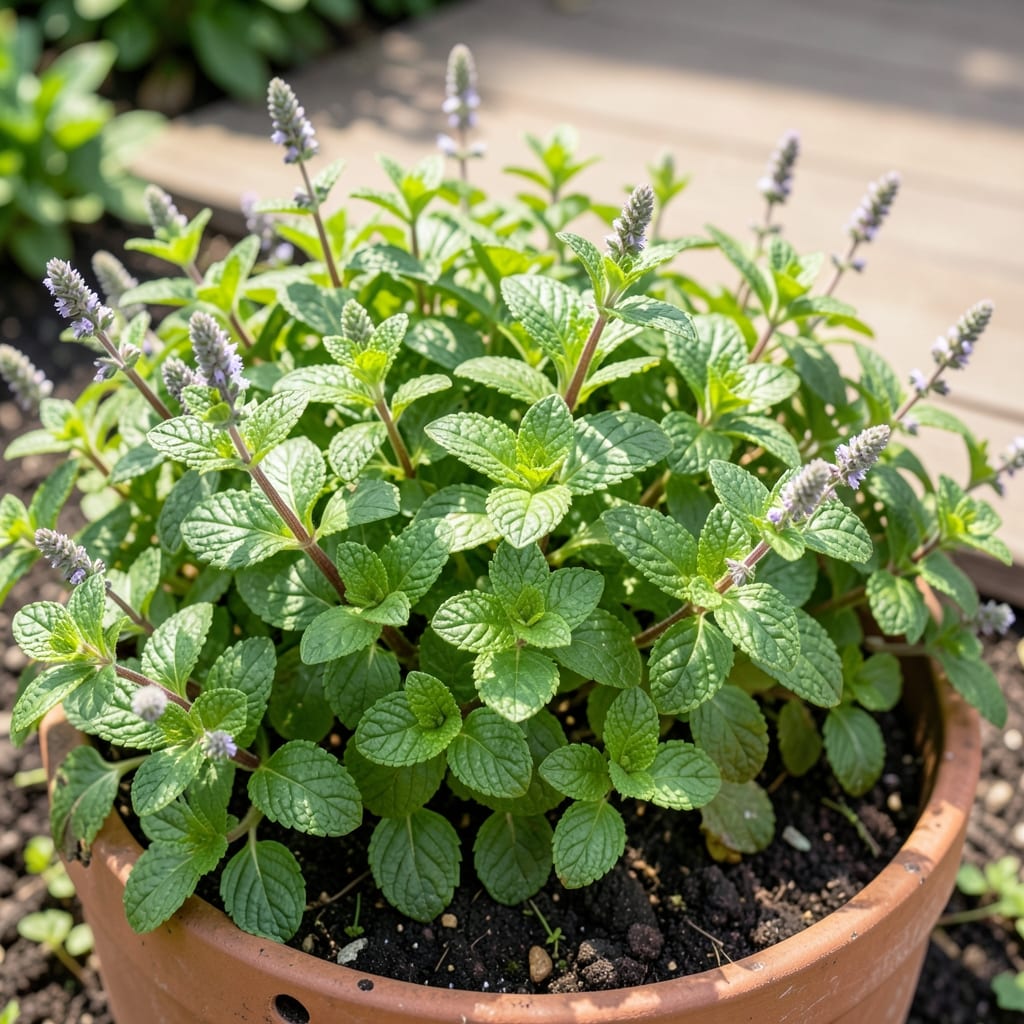
If you’ve ever let mint spread unchecked in your garden, you’ve probably wondered—just how tall can this hardy herb grow? The answer might surprise you, with some varieties reaching towering heights while others stay neatly contained. 🌿 Whether you're dealing with a wild mint patch or carefully nurturing potted plants, understanding its growth potential is key to managing it effectively.
Most mint plants typically grow between 1 and 3 feet tall, but with the right conditions—or lack of pruning—some varieties can stretch up to 4 feet or even taller. This aggressive growth habit is why many gardeners either love it or dread it, depending on whether they want a lush harvest or a contained herb garden.
What you may not realize is that a few simple strategies can drastically influence your mint’s height. From choosing the right variety to strategic pruning and container planting, you can control whether your mint becomes a bushy, compact plant or a sprawling giant. Let’s break down exactly how to manage it.
In this guide, I’ll cover everything from the tallest mint varieties to practical tips for keeping your plants at your desired height. Whether you're a seasoned gardener or just starting out, you’ll learn how to work with mint’s natural tendencies—so you can enjoy fresh leaves without the chaos.


Mint growth height by variety: from dwarf to towering giants
Mint’s height can vary dramatically depending on the variety you choose. While most gardeners picture a 1- to 3-foot plant, some types can reach 4 feet or more under ideal conditions. Understanding these differences helps you select the perfect variety for your space and needs. 🌱
For example, peppermint and spearmint are classic choices that typically grow between 2 and 3 feet tall. These varieties are popular for culinary use and thrive in both garden beds and containers. Meanwhile, ornamental mints, like 'Peppermint Willie' or 'Chocolate Mint', often grow slightly taller, sometimes exceeding 3 feet when unchecked.
If you’re looking for compact varieties, consider dwarf mints like 'Apple Mint' or 'Pineapple Mint', which max out around 1 to 2 feet. These are ideal for small gardens, windowsills, or if you prefer a more manageable plant. The key is matching your variety to your available space and growth goals.
Here’s a quick breakdown of how different mint varieties compare in height:
| Variety | Typical Height | Best For |
|---|---|---|
| Peppermint | 2–3 ft | Tea, cooking |
| Spearmint | 2–3 ft | Salads, garnishes |
| Chocolate Mint | 3–4 ft | Decorative, desserts |
| Apple Mint | 1–2 ft | Small spaces, containers |
| Pineapple Mint | 1–2 ft | Fragrant borders, pots |
| Ginger Mint | 3–4 ft | Strong aroma, culinary |
One variety that often surprises gardeners is Ginger Mint, which can grow up to 4 feet tall and spread aggressively. This makes it a favorite for those who want a bold, fragrant plant but also a challenge to control. If you’re growing mint in a container, opt for dwarf varieties to avoid overcrowding.
For gardeners in USDA Zone 6a or warmer, mint thrives year-round, often growing taller in spring and summer when conditions are ideal. In cooler climates, it may slow growth but can still reach 2 to 3 feet with proper care. Regular pruning is the secret to keeping it at your desired height.
If you’re growing mint for harvesting, taller varieties like peppermint or ginger mint yield more leaves, but they also require more space. Compact varieties, on the other hand, are perfect for small gardens or windowsills where space is limited. The choice ultimately depends on your goals and available growing area. ✂️
Pro tip: If you’re unsure which variety to pick, start with spearmint or peppermint—they’re versatile, easy to grow, and strike a balance between height and manageability. For a unique twist, try ornamental varieties like 'Peppermint Willie', which adds visual interest to your garden with its striking foliage.
How to control mint growth: pruning and containment tips
If you’ve ever struggled with mint taking over your garden, you’re not alone. This hardy herb has a natural tendency to spread aggressively, both in height and width. The good news? With the right techniques, you can keep mint at your desired height while still enjoying a bountiful harvest. Regular pruning is your best friend here—it encourages bushier growth and prevents your plants from becoming leggy or top-heavy. 🪴
Start by pruning your mint plants every 4 to 6 weeks during the growing season. Simply trim back the top third of the plant using clean, sharp shears. This not only controls height but also stimulates new growth lower on the stems, resulting in a fuller, more compact plant. For varieties like peppermint or ginger mint, which can reach 4 feet tall, pruning is especially critical to maintain manageable size.
Here’s a quick tip: If you’re growing mint in containers, pruning becomes even more important. Containers limit root spread, so the plant will focus its energy on growing upward. To prevent this, pinch back the tips of new growth regularly. This keeps your container-bound mint 1 to 2 feet tall and prevents it from becoming a towering, unruly mess.
While pruning helps control height, going overboard can stress your mint plant. Never remove more than one-third of the plant at a time. Over-pruning can lead to weak stems, reduced leaf production, and even stunted growth. Balance is key—prune just enough to maintain your desired height without harming the plant.
Another effective strategy is to harvest leaves regularly. Mint responds well to frequent harvesting, and plucking leaves from the top encourages the plant to grow wider rather than taller. This is especially useful if you’re growing mint for culinary purposes, as it keeps the plant productive and prevents it from becoming too tall or woody. Aim to harvest every 2 to 3 weeks during the growing season.
For gardeners dealing with aggressive spread, consider planting mint in underground containers. These pots are buried in the ground, allowing the roots to spread freely while keeping the foliage contained above soil level. This method works wonders for varieties like spearmint or chocolate mint, which can quickly overtake a garden bed if left unchecked. It’s a great solution for those who want to enjoy mint without sacrificing their garden layout. ✂️
If you’re growing mint in your yard or garden bed, create physical barriers to limit its spread. Bury a plastic pot or metal edging around the plant to prevent roots from creeping into other areas. This is particularly useful if you’re growing taller varieties like ginger mint or peppermint, which can spread up to 3 feet outward in addition to their height.
Finally, remember that soil conditions play a role in mint’s growth habits. Well-draining, fertile soil encourages healthy growth, but overly rich soil can lead to lush, vigorous plants that grow taller and spread faster. Amend your soil with compost to provide nutrients without overfeeding, and avoid heavy fertilizers that can promote excessive growth. With these tips, you’ll have control over your mint’s height while still enjoying fresh leaves all season long.