
Plants
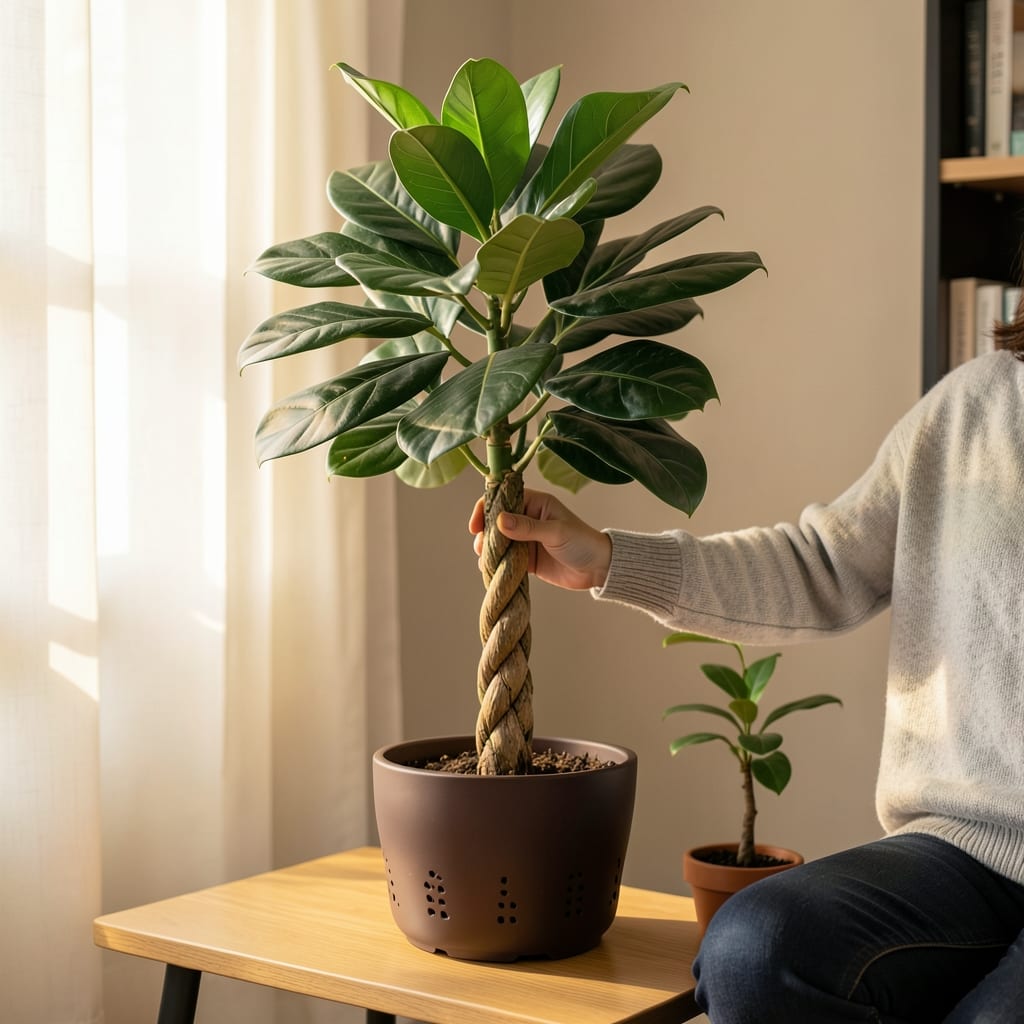
If you’ve ever wondered how tall can money trees grow and whether your living room could soon host a small tropical giant, the answer might surprise you. These 🌿 Pachira aquatica plants—often bought as tiny tabletop curiosities—can stretch toward the ceiling with the right care, reaching heights of 6 to 10 feet indoors.
The key to unlocking their full potential lies in understanding your plant’s variety and environment. Some dwarf types max out at just 2 to 4 feet, while standard money trees thrive when given space, bright light, and consistent moisture. Whether you’re dreaming of a lush indoor statement piece or curious about pruning secrets, we’ll break down exactly what to expect—and how to guide your money tree’s growth.
Outdoor gardeners in warmer zones (USDA 6a and above) might even see faster growth, but container culture works too. Learn how to balance height with health, when to trim for shape, and why some money trees stay compact while others shoot up like jungle sentinels.
Ready to transform your money tree from a modest houseplant into a showstopping centerpiece? Let’s dive into the factors that shape its size—and how you can steer its growth in the right direction.


Money tree height by variety: from compact to towering giants
When you bring home a money tree (Pachira aquatica), its initial height might be just a few inches—but don’t let that fool you. This tropical plant has a growth range that can surprise even seasoned gardeners. Some varieties stay compact, perfect for shelves or desks, while others can grow into small indoor trees reaching 6 to 10 feet tall with the right conditions.
The key to understanding your money tree’s potential lies in its variety and genetics. Not all money trees are created equal—some are bred to stay small, while others are natural giants. Even within the same species, factors like light exposure, pruning habits, and container size can drastically alter how tall your plant becomes. Let’s break down the height expectations for the most common types.
🌱 Did You Know? Money trees grown outdoors in tropical climates (like USDA zones 10-12) can reach their maximum height faster due to year-round warmth and humidity. Indoors, growth is slower but still impressive with proper care.
| Variety | Mature Height (Indoors) | Growth Rate | Best For |
|---|---|---|---|
| Dwarf Money Tree (Pachira aquatica 'Dwarf') | 2–4 feet | Slow to moderate | Small spaces, desks, shelves |
| Standard Money Tree (Pachira aquatica) | 6–10 feet | Moderate to fast | Living rooms, entryways, large containers |
| Braided Money Tree (Pachira aquatica 'Braided') | 4–8 feet | Moderate | Decorative displays, statement pieces |
| Golden Money Tree (Pachira aquatica 'Golden') | 5–9 feet | Fast | Sunny rooms, greenhouses |
If you’re eyeing a standard or golden money tree, expect your plant to grow about 1 to 2 feet per year under ideal conditions. With consistent care, a 3-year-old money tree can easily reach 5 to 6 feet, making it a stunning focal point in any room. The braided variety often grows slightly slower due to its intricate training, but it makes up for it in visual appeal.
For those with limited space, dwarf varieties are perfect—they’ll stay under 4 feet even with minimal pruning. However, even these can stretch taller if given more light and nutrients. The trade-off? Dwarf types may produce fewer leaves since their energy is focused on vertical growth rather than bushiness.
One common misconception is that money trees will outgrow their containers quickly. While they can become root-bound, their growth slows dramatically once they hit their genetic height limit. That’s why choosing the right pot size from the start is crucial—12 to 18 inches in diameter is ideal for standard varieties to support their height ambitions.
Light plays a huge role in determining how tall your money tree becomes. Plants grown in bright, indirect light (like an east-facing window) will stretch less and develop fuller foliage. In low-light conditions, they’ll grow taller and leggier as they reach for sunlight. If you notice your money tree developing long, sparse stems, it’s a sign it needs more light or a pruning session to encourage bushier growth.
🌿 Pro Tip: Rotate your money tree every few months to ensure even growth. This prevents it from leaning toward one light source and encourages a balanced, symmetrical shape—even as it reaches for the sky.
Pruning and care secrets to control money tree height
Now that you know your money tree’s height potential, the next step is learning how to guide its growth—whether you want a compact bush or a tall indoor tree. Pruning isn’t just about trimming back overgrowth; it’s a strategic way to shape your plant’s future. The right cuts at the right time can stimulate bushier growth, encourage upward reach, or even reset a leggy plant back to health.
Timing is everything when it comes to pruning. The best time to prune your money tree is in early spring, just as new growth begins. This gives your plant plenty of time to recover and fill out before winter dormancy. Avoid heavy pruning in fall or winter, as your money tree will be conserving energy and may struggle to regenerate leaves. If you notice brown or yellowing leaves at other times of the year, you can do light maintenance trims to remove dead foliage, but avoid cutting back more than 20% of the plant at once.
✂️ Pro Tip: Always use sterilized pruning shears to make clean cuts just above a leaf node. This encourages new growth to sprout from the exact spot where you trimmed, creating a fuller, bushier plant over time. Never tear leaves or stems—this can damage the plant and leave it vulnerable to pests or disease.
Step-by-Step Pruning Guide for Height Control
- Step 1: Identify your goal—do you want a taller tree or a bushier plant?
- Step 2: Trim top growth to encourage lateral branches for a fuller look.
- Step 3: Cut back long, leggy stems to promote new growth from lower nodes.
- Step 4: Remove dead or yellow leaves to redirect energy to healthy growth.
- Step 5: After pruning, rotate your plant to ensure even light exposure.
🌿 Remember: Pruning stimulates new growth, so expect to see fresh leaves sprouting within 4-6 weeks.
If your money tree is outgrowing its space or becoming too tall for your ceiling, don’t panic—you can control its height with regular pruning. For a shorter, bushier look, focus on trimming the topmost branches. This signals the plant to put energy into side shoots instead of vertical growth. For a taller, more elegant tree, avoid heavy pruning at the top and instead trim lower branches to create a clean stem and encourage upward growth.
Light is another critical factor in controlling height. Money trees grown in low-light conditions tend to stretch taller as they reach for sunlight. If you notice your plant developing long, sparse stems, it’s a sign it needs more bright, indirect light. Move it closer to an east-facing window or supplement with a grow light to encourage a stockier, healthier growth habit. Over time, this will naturally reduce excessive height and promote a fuller canopy.
For those growing money trees in containers, root-bound conditions can also stunt growth. If your plant’s roots are circling the bottom of the pot, it’s time to repot into a larger container. Choose a pot that’s 2-3 inches wider than the current one to give roots room to spread. This reduces competition for nutrients and allows your money tree to focus on leafy growth rather than just vertical expansion.
Finally, fertilizing properly can make a big difference in your money tree’s height. Use a balanced, water-soluble fertilizer (like 10-10-10 NPK) every 4-6 weeks during spring and summer. Avoid over-fertilizing, as this can lead to salt buildup in the soil, which stunts growth. Instead, feed lightly and consistently to support steady, healthy development without encouraging rapid (and often leggy) growth.