
Vegetables
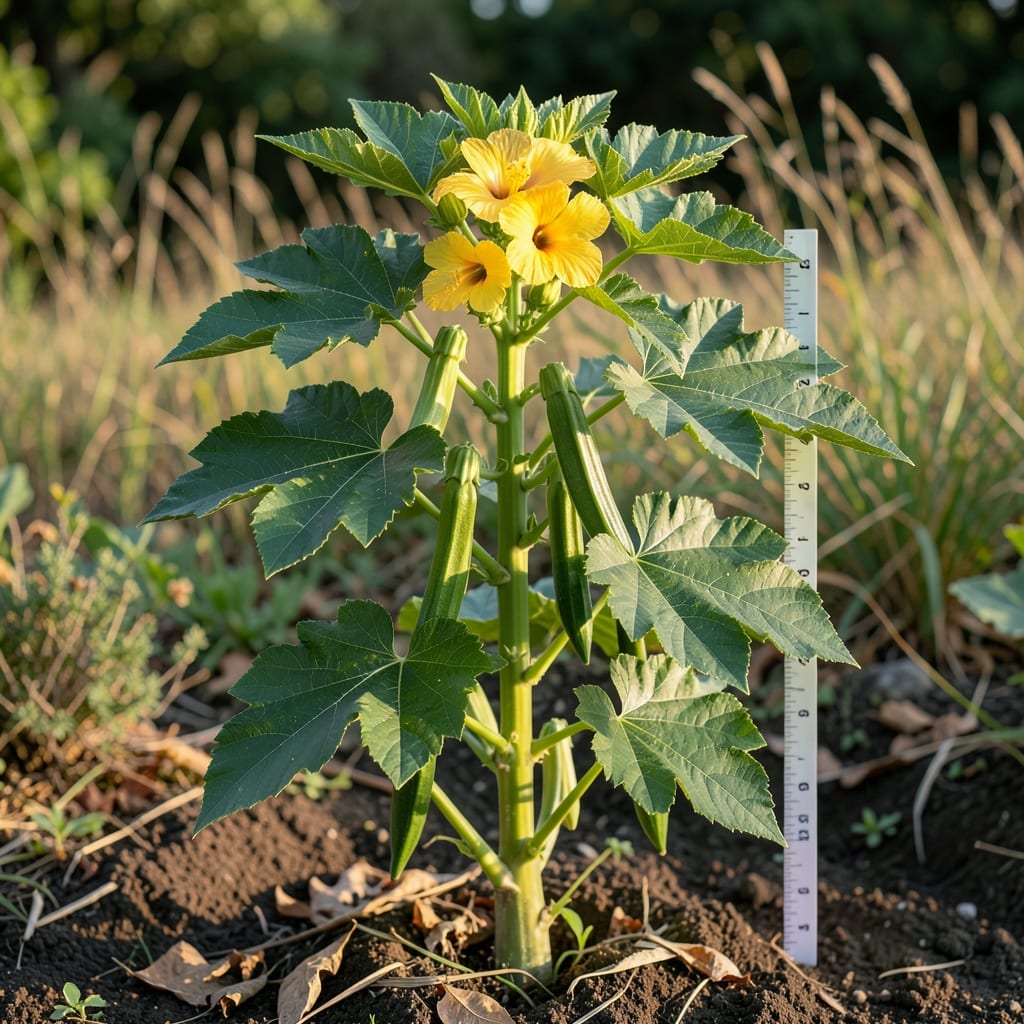
If you’ve ever wondered how tall your okra plants can grow, the answer might surprise you—some varieties shoot up to 10 feet tall, while others stay compact enough for containers. Whether you're working with a sprawling garden or limited space, understanding your okra’s growth potential is key to maximizing your harvest.
The height of your 🌱 okra depends on the variety you choose, as well as how you care for it. Fast-growing types like 'Clemson Spineless' can reach towering heights, but pruning techniques can help control their size without sacrificing yield. With the right approach, you can keep your plants at your preferred height while still enjoying a bountiful crop.
Climate and soil conditions also play a big role in how tall your okra grows. In warmer zones like USDA Zone 6a, okra thrives and can reach its full height potential, especially when planted after the last frost in April or May. Meanwhile, proper pruning and support structures can make a difference in keeping your plants manageable, even in small gardens.
Ready to learn how to encourage the perfect height for your okra? I’ll walk you through the fastest-growing varieties, pruning tips, and care strategies to help you grow the best okra plants—whether you want them towering or tidy. Let’s get started!

Okra plant height by variety: fastest-growing types that reach 10 feet
When it comes to okra height, you’ll find a wide range of possibilities. Some varieties grow like tall weeds, reaching up to 10 feet, while others stay as short as 2-3 feet. The key is choosing the right variety for your space and climate. For example, tropical heat-loving varieties thrive in warm zones like USDA Zone 6a and beyond, while compact types work well in containers or small gardens.
If you’re dreaming of a skyscraper okra plant, varieties like Clemson Spineless and Emerald can easily hit 8-10 feet tall. These giants love long, hot summers and need plenty of space to stretch their legs. On the other hand, dwarf varieties like Burgundy or Little Lady stay under 3 feet, making them perfect for balconies or patio gardens.
Your choice of variety also affects how quickly your okra grows. Fast-growing types like Clemson Spineless can reach 6 feet in just 60 days, while slower varieties may take up to 80 days to mature. This means timing your planting after the last frost in April or May is crucial for maximizing height and yield.
| Variety | Max Height | Growth Rate | Ideal Climate |
|---|---|---|---|
| Clemson Spineless | 8-10 ft | Fast (60 days) | Hot, humid summers |
| Emerald | 6-8 ft | Moderate (70 days) | Warm zones (6a+) |
| Burgundy | 2-3 ft | Slow (80 days) | Containers or small spaces |
| Little Lady | 3-4 ft | Moderate (75 days) | Balconies or patios |
| Jinchu | 4-6 ft | Fast (65 days) | Tropical or subtropical |
If you’re growing okra in containers, opt for dwarf varieties like Burgundy or Little Lady. These stay compact and are ideal for patio gardening or small urban spaces. Even in containers, ensure your pot is at least 12 inches deep to accommodate their root systems. For larger gardens, varieties like Clemson Spineless will thrive when given plenty of space and full sun.
Climate plays a huge role in how tall your okra grows. In hot, humid regions, okra can reach its maximum height quickly, while cooler climates may slow growth. If you’re in a shorter growing season, choose faster-maturing varieties like Jinchu or Emerald to ensure you get a harvest before the first frost in October.
For the best results, pair your chosen variety with well-draining soil rich in organic matter. Okra loves full sun (6-8 hours daily) and consistent moisture, especially during dry spells. With the right conditions, your okra plants will grow tall and strong, producing a bountiful harvest of tender pods ready for picking.
Ready to control your okra’s height? In the next section, I’ll share pruning techniques to keep your plants at your desired size—whether you want them towering or tidy. Stay tuned for tips on when and how to trim for the best results!
Pruning okra plants for compact growth: Step-by-Step techniques to control height
Pruning your okra plants is one of the best ways to control their height while still enjoying a bountiful harvest. Whether you’re growing tall varieties like Clemson Spineless or prefer compact types, strategic pruning keeps your plants manageable and healthy. The key is timing—prune at the right stage to encourage bushier growth and prevent leggy, overgrown plants.
Start pruning when your okra plants reach about 12-18 inches tall. This is the ideal time to begin shaping them, as younger plants recover faster from pruning. Use sharp, clean pruning shears to make cuts just above a leaf node or branch junction. Avoid tearing the stems, as this can invite pests or diseases into your plants.
For taller varieties, focus on removing the topmost leaves and stems to redirect energy toward pod production rather than vertical growth. This technique, called topping, encourages lateral branching, resulting in more pods per plant. Aim to prune about 20-30% of the top growth every 2-3 weeks during the growing season.
- 🌱 Step 1: Wait for 12-18 inches – Begin pruning once plants reach this height for best recovery.
- ✂️ Step 2: Use clean shears – Cut just above a leaf node to avoid damaging the plant.
- 🌿 Step 3: Top the plant – Remove the top 20-30% of growth to encourage bushier growth.
- 🌡️ Step 4: Prune in morning – Always prune early to allow wounds to heal before evening.
- 🌱 Step 5: Remove yellow leaves – Prune any diseased or yellowing foliage to maintain plant health.
- 📅 Step 6: Repeat every 2-3 weeks – Consistent pruning keeps plants compact and productive.
If you’re growing okra in containers, pruning is even more critical to prevent overcrowding. Compact varieties like Burgundy or Little Lady benefit from regular trimming to maintain their size. Pinch back the tips of new growth to encourage fuller, bushier plants. This is especially useful if you’re growing okra on a balcony or patio where space is limited.
For large garden beds, consider using support structures like trellises or stakes to guide taller varieties upward. This not only saves space but also makes harvesting easier. If your okra starts to lean or sprawl, gently tie the main stems to the support to keep them upright. This method works well for varieties like Emerald or Jinchu, which can grow quite tall.
Remember, pruning isn’t just about controlling height—it’s also about improving air circulation and reducing the risk of fungal diseases. By removing crowded or diseased foliage, you create a healthier environment for your okra plants. With consistent pruning, you’ll enjoy shorter, bushier plants that produce more pods and are easier to maintain.
Ready to troubleshoot? In the next section, I’ll cover common mistakes that cause okra to grow too tall—and how to fix them. Don’t miss out on these essential tips to keep your plants at the perfect height! 🌱