
Size
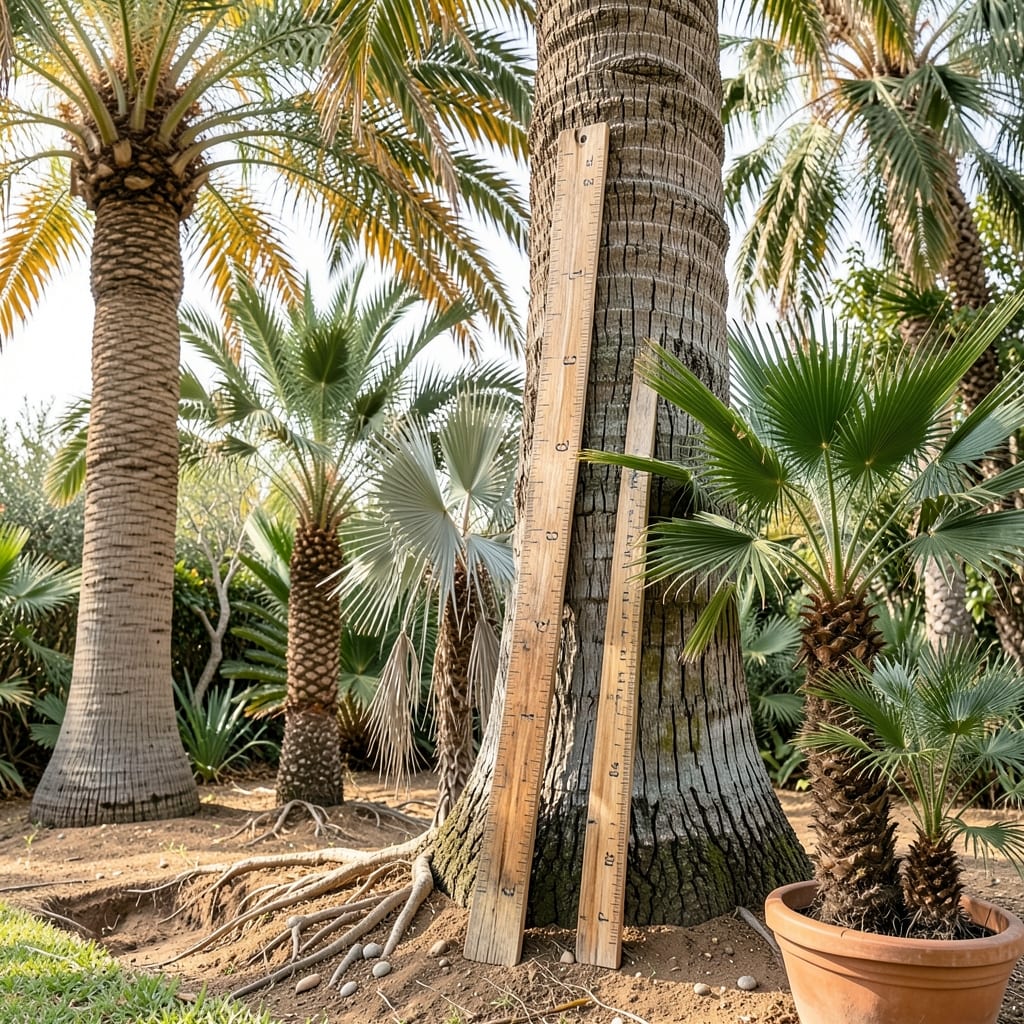
If you’ve ever wondered how tall palm trees can grow, the answer might surprise you—some tower over 200 feet, while others stay small enough to fit on a patio. The height of a palm tree isn’t just about luck; it depends on the species, climate, and care. Whether you’re dreaming of a tropical oasis or just want a low-maintenance plant, understanding these factors will help you choose the perfect palm for your space.
From the towering coconut palms that dominate coastal landscapes to the delicate dwarf varieties that thrive in pots, the differences in size are staggering. If you live in USDA Zone 6a, you’ll need to pick cold-hardy species that won’t outgrow your yard—or your patience. Let’s break down the tallest, shortest, and everything in between so you can make the best choice for your garden.
Growing a palm tree isn’t just about waiting for it to reach its full height—it’s about creating the right conditions. Sunlight, soil, and water play huge roles in how fast (or slow) your palm grows. With the right care, even a small palm can flourish, while a giant species can become a stunning focal point. Ready to find out which palm fits your vision?
Whether you’re a seasoned gardener or just starting out, selecting the right palm tree means balancing beauty, space, and climate. By the end of this guide, you’ll know exactly which palms to plant for a lush, low-maintenance landscape—no matter how much (or little) space you have. Let’s get started!

Tallest palm trees in the world: species that defy gravity
When it comes to palm trees, some species grow so tall they seem to scrape the sky. The tallest palm trees can reach heights of over 200 feet, making them architectural marvels in tropical and subtropical landscapes. These giants aren’t just impressive—they’re also some of the fastest-growing plants on Earth, with certain species adding 10+ feet per year under ideal conditions.
If you’re dreaming of a palm that rivals the height of a 15-story building, you’ll want to focus on species like the coconut palm or the oil palm. These towering trees thrive in warm climates and can dominate a landscape with their sheer size. But before you plant one, consider your space—these palms need room to stretch their fronds wide and grow their trunks tall.
Here’s what you need to know about the tallest palm species, their growth habits, and the conditions that help them reach their full potential. Whether you’re planning a coastal garden or just curious about nature’s skyscrapers, these palms will leave you in awe.
🌴
| Palm Species | Max Height | Growth Rate | Native Habitat |
|---|---|---|---|
| Coconut Palm (Cocos nucifera) | 80–100 ft | 10–20 ft/year | Tropical coastlines |
| Oil Palm (Elaeis guineensis) | 150–200 ft | 15–25 ft/year | West African rainforests |
| California Fan Palm (Washingtonia filifera) | 60–100 ft | 5–10 ft/year | Southwestern U.S. |
| Mexican Fan Palm (Washingtonia robusta) | 70–100 ft | 8–12 ft/year | Baja California |
| Royal Palm (Roystonea regia) | 50–75 ft | 4–8 ft/year | Cuba, Bahamas |
The oil palm holds the record for the tallest palm tree, with some specimens stretching over 200 feet. These giants are native to the rainforests of West Africa and thrive in humid, tropical conditions. If you’re growing one in your garden, expect it to need plenty of space and consistent moisture to reach its full height.
For those in USDA Zone 6a, the California fan palm and Mexican fan palm are excellent choices. Both are cold-hardy and can tolerate temperatures down to 15°F, making them ideal for warmer climates in the U.S. Their rapid growth rates mean they’ll quickly become a stunning focal point in your landscape.
If you’re planting a tall palm, remember that soil drainage is critical. These trees hate soggy roots, so amend your soil with sand or gravel to prevent waterlogging. Additionally, pruning dead fronds will encourage healthier growth and help your palm maintain its towering stature.
🌳
One of the most fascinating aspects of tall palm trees is how they adapt to their environment. For example, the coconut palm grows near coastal areas where salt spray is common. Its roots are specially adapted to filter out salt, allowing it to thrive in these challenging conditions. If you’re growing one in a non-coastal area, you’ll need to mimic these conditions by using well-draining, sandy soil.
For gardeners in cooler climates, consider the Mediterranean fan palm (Chamaerops humilis), which is one of the hardiest palms and can survive temperatures as low as 0°F. While it won’t reach the same heights as its tropical cousins, it’s a great option for adding a touch of the tropics to your garden without the risk of frost damage.
When selecting a tall palm, think about its mature size and how it will fit into your landscape. A 100-foot palm isn’t just tall—it’s a statement piece that will dominate your outdoor space
Dwarf palm trees: compact varieties perfect for small spaces
If towering palms aren’t your style, don’t worry—there are plenty of dwarf palm trees that bring tropical charm without the skyscraper height. These compact varieties are perfect for containers, patios, and urban gardens, making them ideal for gardeners with limited space. Unlike their giant cousins, dwarf palms mature at just 6 to 12 feet tall, staying manageable while still adding lush greenery to your outdoor area.
One of the most popular dwarf palms is the pygmy date palm (Phoenix roebelenii), which typically reaches 6 to 10 feet at maturity. Its graceful fronds and slow growth make it a favorite for indoor pots and small gardens. Another great option is the dwarf palmetto (Sabal minor), which stays under 10 feet and thrives in USDA Zone 6a with minimal care.
Here’s how these compact palm varieties compare in terms of size, care, and suitability for different spaces. Whether you’re decorating a balcony or adding a pop of greenery to a courtyard, these palms deliver big style in a small package.
| Palm Species | Max Height | Growth Rate | Best For | Cold Hardiness |
|---|---|---|---|---|
| Pygmy Date Palm | 6–10 ft | Slow (1–2 ft/year) | Containers, patios | Zone 10–11 |
| Dwarf Palmetto | 8–12 ft | Moderate (2–3 ft/year) | Shade gardens, borders | Zone 6a–10 |
| Mediterranean Dwarf Palm | 4–6 ft | Very slow (1 ft/year) | Indoor pots, small yards | Zone 8–11 |
| Parlor Palm | 2–4 ft | Slow (6–12 in/year) | Indoor decor, offices | Zone 10–11 |
| Chinese Fan Palm | 6–10 ft | Moderate (2–4 ft/year) | Urban gardens, containers | Zone 8–11 |
The parlor palm is another fantastic choice for indoor spaces, staying under 4 feet tall and thriving in low-light conditions. This makes it perfect for offices, living rooms, or even bathrooms where humidity is high. Unlike outdoor palms, it doesn’t need direct sunlight, making it one of the most low-maintenance dwarf palms available.
For gardeners in USDA Zone 6a, the dwarf palmetto is a standout because of its cold tolerance. It can handle temperatures down to 5°F, making it one of the hardiest dwarf palms for cooler climates. Pair it with mulch around the base to protect its roots during winter, and it will reward you with year-round greenery.
To keep your dwarf palm healthy and compact, focus on well-draining soil and regular watering without over-saturating the roots. These palms prefer morning sunlight