
Trees
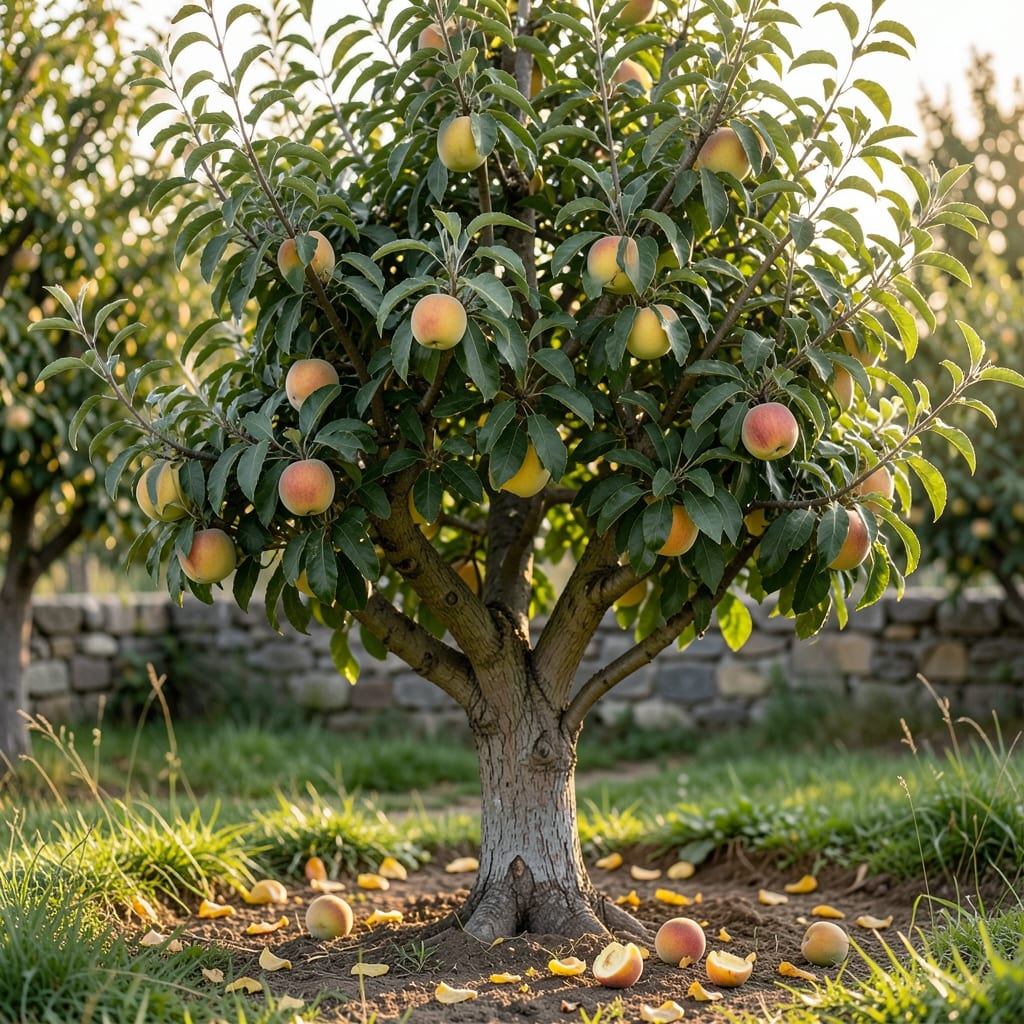
If you've ever dreamed of growing your own 🍑 peach tree but wondered how tall peach trees can grow, you're not alone. The truth is, peach trees can reach 25 feet or more—but that's not the whole story. Their mature size depends on the variety you choose, how you prune them, and even your local climate.
Let's break down what you need to know to pick the perfect peach tree for your space. Whether you're working with a small urban garden or a spacious rural plot, understanding these height variations will help you make the best choice. From dwarf varieties that stay under 12 feet to standard trees that tower above your house, there's an option for every gardener.
What's even more exciting is that with the right pruning techniques, you can shape your peach tree to fit your needs. Imagine a 15-foot tree that's been carefully pruned to stay just right for your patio or balcony. The key is knowing when and how to trim for optimal growth and fruit production.
Ready to discover how to choose and care for a peach tree that's just the right size for you? I'll walk you through everything you need to know to make your peach-growing dreams a reality—without sacrificing space or beauty.

Peach tree height by variety: dwarf to standard tree comparison chart
Peach trees are stunning fruit producers, but their mature height can range from 8 feet for dwarf varieties to over 25 feet for standard trees. The right variety for your space depends on your yard size, sunlight access, and long-term care goals. Let’s break down the height expectations for popular peach tree types, including dwarf, semi-dwarf, and standard varieties, so you can choose the perfect fit for your garden.
Standard peach trees often reach 20-30 feet at maturity, making them ideal for rural properties or large backyards. However, even these giants can be pruned to control their height, though they’ll still require significant space. Dwarf varieties, on the other hand, top out at 8-12 feet, making them perfect for urban gardens, patios, or even large containers. Semi-dwarf varieties strike a balance, typically growing 12-18 feet tall.
Below is a detailed height comparison chart for 12+ common peach varieties, including their mature heights, ideal spacing, and fruit production notes. This will help you visualize which variety aligns with your garden’s layout and your fruit-bearing ambitions.
When selecting a peach tree variety, consider not only its mature height but also its fruit production habits and climate suitability. For example, 'Bonanza' and 'Relenta' are excellent choices for small spaces, while 'Elberta' and 'Contender' are better suited for larger properties. Always check your USDA hardiness zone to ensure the variety you choose can thrive in your local climate.
Proper spacing between trees is critical for airflow and disease prevention. Dwarf varieties need 6-8 feet of space, while standard trees require 15-25 feet. Planting too closely can lead to crowded branches, reduced fruit quality, and increased susceptibility to fungal diseases like peach leaf curl.
If you’re unsure which variety to choose, opt for a semi-dwarf like 'Suncrest' or 'Fantasia'. These trees offer a compromise between manageable size and robust fruit production, making them a versatile choice for many gardens. Always purchase trees from a reputable nursery to ensure they’re disease-free and well-rooted.
Once you’ve selected your peach tree, remember that pruning plays a
How pruning affects peach tree height and fruit production
Pruning is the secret weapon for controlling your peach tree's height while boosting fruit production. When done correctly, it can reduce a 25-foot standard tree to a manageable 12-foot height—without sacrificing peaches! The key is understanding when and how to prune, as improper cuts can stunt growth or invite disease. For most peach trees, annual winter pruning is essential, but strategic summer trims can also shape growth patterns.
Start by removing dead, diseased, or crossing branches first—they compete with healthy growth and block sunlight. Next, focus on thinning out excess branches to improve airflow, which reduces fungal risks like peach leaf curl. Aim to keep the tree's central leader strong while opening up the canopy. This creates an ideal structure for both height control and fruit accessibility.
🌱Timing matters most: Late winter (before buds swell) is prime time for structural pruning, while summer pruning after harvest helps manage height. Avoid heavy pruning in fall—it stresses the tree before dormancy. For dwarf varieties like 'Bonanza', limit pruning to 10-15% of the canopy annually to maintain their compact form.
- Over-pruning: Never remove more than 25% of the canopy in one season—it weakens the tree and reduces next year's fruit.
- Topping: Cutting branches flat across the top creates stubs that invite rot and stunted regrowth.
- Pruning too late: Summer pruning after July 15th delays next year's bloom and fruit set.
- Ignoring water sprouts: These fast-growing vertical shoots steal energy—prune them back immediately.
For height control, focus on selective branch removal rather than drastic cuts. Target branches growing straight upward—they contribute little to fruit production but add significant height. Instead, encourage horizontal branches (30-45° angles) that bear more fruit. Use hand pruners for small branches and a pruning saw for thicker limbs, always cutting just outside the branch collar.
🪴Pro tip: Mark your pruning zones with reflective tape if working near power lines. And always sterilize tools with rubbing alcohol between cuts to prevent bacterial spread. After pruning, apply a wound dressing only to cuts larger than 1/2 inch—small cuts seal naturally and benefit from fresh air.
Remember, peach trees reward careful pruning with larger, healthier fruit and easier harvests. With practice, you'll develop an eye for which branches to keep and which to remove—transforming your tree into a perfectly sized fruit-producing machine. Start small, observe how your tree responds, and adjust your approach each season.