
Flowers
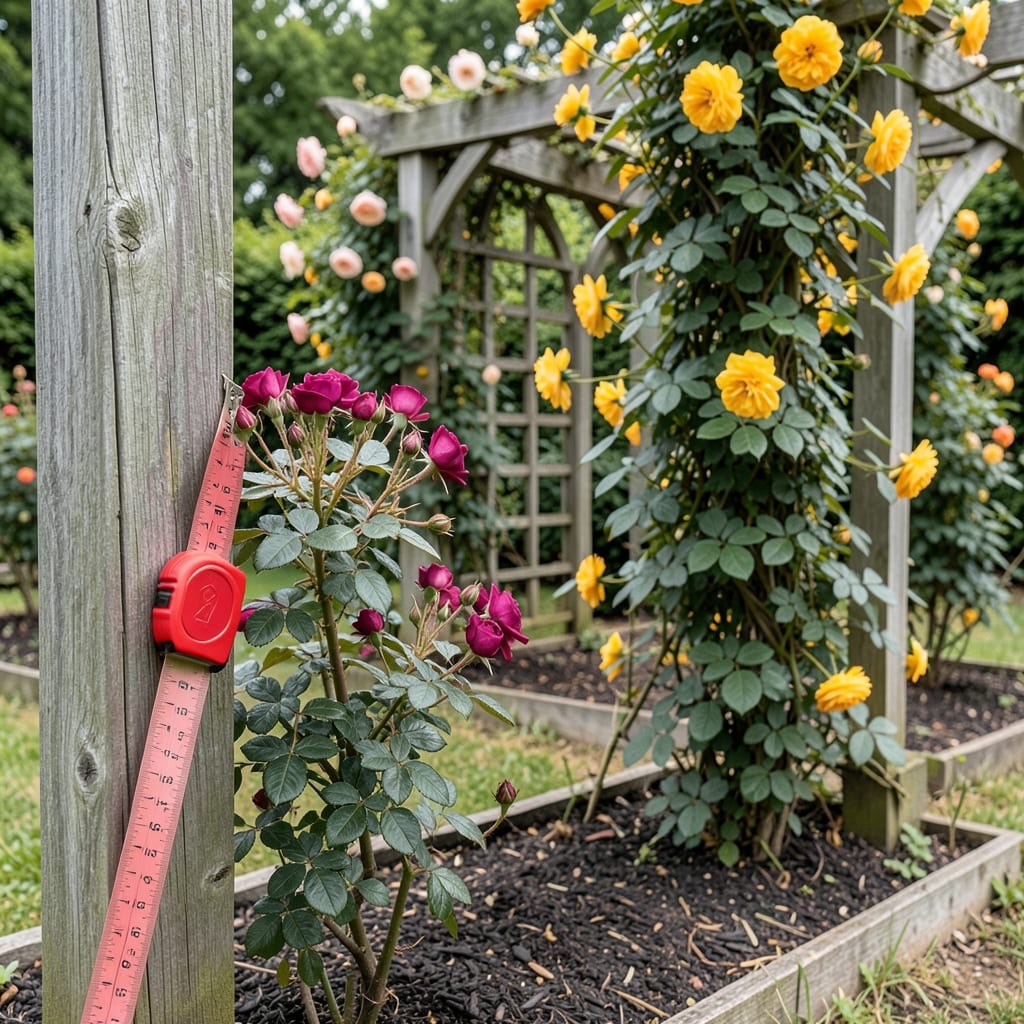
Rose varieties by height: from miniature to climbing giants
Roses aren’t one-size-fits-all—some stay petite enough for window boxes, while others climb to 30 feet like living ladders. The key to managing height starts with choosing the right variety for your space. Whether you have a tiny balcony or a sprawling backyard, there’s a rose that’ll fit perfectly—and thrive—without taking over your garden.
Height in roses depends on their genetic classification, but even within categories, individual plants can vary by 1-2 feet based on growing conditions. For example, a climbing rose might max out at 20 feet in ideal conditions but stay closer to 15 feet in partial shade. Let’s break down the most popular rose types by their mature heights, so you can pick the perfect fit for your garden.
| Variety | Mature Height | Best For | Example Varieties |
|---|---|---|---|
| Miniature Roses | Under 2 feet | Containers, window boxes, fairy gardens | 'Tiny Timm'®, 'Fairy Tale' |
| Floribunda Roses | 3-5 feet | Borders, mixed beds, small hedges | 'Iceberg', 'Julia Child' |
| Grandiflora Roses | 4-6 feet | Cut flowers, focal points, tall borders | 'Double Delight', 'Perle d'Or' |
| Shrub Roses | 5-8 feet | Privacy screens, large hedges, wildlife gardens | 'Knock Out®', 'The Fairy' |
| Climbing Roses | 10-30 feet | Arbors, trellises, fences, pergolas | 'New Dawn', 'Blaze', 'Zephirine Drouhin' |
If you’re working with limited space, miniature roses and floribundas are your best bets—they stay manageable while still delivering abundant blooms. For dramatic vertical interest, climbing roses are unbeatable, but they’ll need a sturdy trellis or arbor to support their weight. Even shrub roses, which can reach 8 feet, can be pruned to keep them shorter if needed.
One common misconception is that all roses need full sun to reach their maximum height. While sunlight is crucial for growth, partial shade can actually limit height in some varieties, making them more compact. For example, 'Knock Out® roses', which naturally stay around 4 feet, thrive in partial shade and produce fewer leggy stems.
When selecting roses, always check the mature height listed on the tag or in catalog descriptions. A 3-foot rose labeled as "dwarf" might still surprise you by reaching 4 feet with proper care. Plan for 1-2 feet of extra growth if you’re growing roses in rich, well-drained soil with plenty of sunlight and regular fertilization.
For container gardening, stick to miniature roses or patio roses, which top out at 3 feet. Even these can outgrow their pots if not pruned regularly, so choose containers with drainage holes and plan to repot every 2-3 years as roots expand. Larger varieties like grandifloras or shrub roses need at least 15-gallon containers to accommodate their root systems.
If you love the look of roses but worry about them becoming unruly, consider repeat-blooming varieties. These types, like 'Iceberg' or 'Double Delight', produce continuous flowers throughout the season, making them ideal for smaller spaces where height needs to stay controlled. Their compact growth habits also mean less pruning work for you!
For those with ambitious gardening goals, climbing roses offer a stunning way to add height and romance to your landscape. Varieties like 'Zephirine Drouhin' can climb to 20 feet or more, while 'New Dawn' reaches 12-15 feet and blo
How to control rose height through pruning: step-by-step guide
Pruning isn't just about shaping your roses—it's the secret weapon for controlling their height. Whether you want a compact bush or a towering climber, the right cuts at the right time make all the difference. I’ve pruned everything from miniature roses in containers to 20-foot climbers on trellises, and these techniques work every time.
Timing is everything. For spring-blooming roses, prune right after the last frost but before new growth starts. For repeat-blooming varieties, do a light pruning after the first flush of blooms in early summer. Hard pruning (cutting back by ⅓) in late winter encourages bushier growth, while light pruning (removing only dead wood) keeps climbers manageable.
Start by removing any dead, diseased, or crossing branches—these compete for nutrients and distort shape. Use clean, sharp pruners to make cuts at a 45-degree angle, about ¼ inch above an outward-facing bud. This simple technique ensures new growth emerges in the direction you want, keeping your rose’s height in check.
Cut back last year’s growth by ⅓ to encourage bushier, shorter growth. Focus on removing tall, leggy stems first.
Trim spent blooms and overcrowded stems to redirect energy to new growth. Avoid heavy cuts—just snip above a leaf node.
For climbing roses, prune lightly in spring to remove weak stems and crossing branches. Tie new growth to a trellis or fence to guide upward growth.
Remove dead wood and diseased canes before winter. Avoid heavy pruning—save major cuts for early spring.
If your roses are growing taller than planned, don’t panic. Selective pruning in summer can rein in height without sacrificing blooms. Simply cut back the longest stems by ⅓, focusing on the top growth. This trick works wonders for floribunda and grandiflora roses that tend to outgrow their space.
For climbing roses, the goal is to train them upward rather than contain them. Prune to remove suckers at the base and encourage upward growth by tying canes to a support. With the right approach, you can guide even the tallest varieties to reach heights of 20 feet or more without losing control.
Remember, roses reward consistent care. Prune regularly, monitor growth, and adjust your approach based on how your plants respond. Before you know it, you’ll have roses that fit perfectly in your garden—whether that’s a 3-foot bush or a 25-foot trellis masterpiece. 🌹