
How To
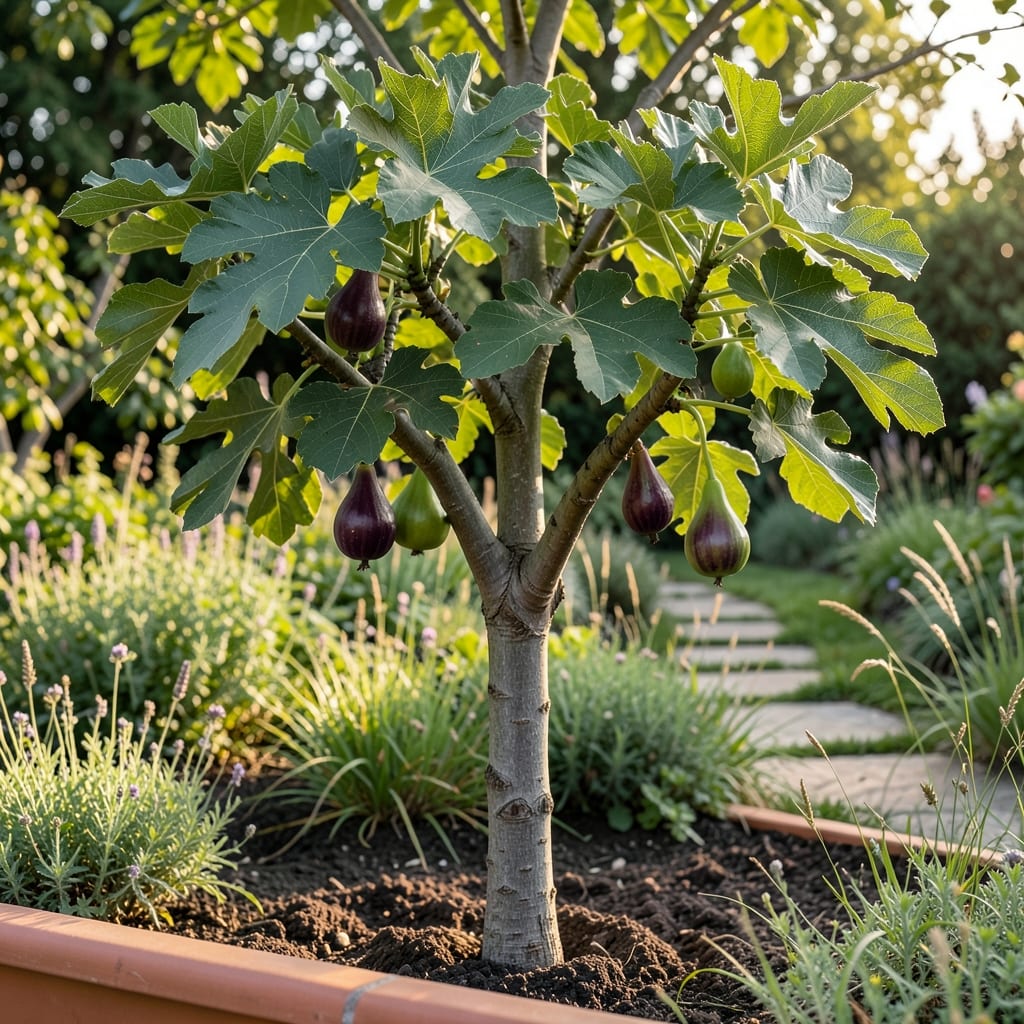
If you’ve ever wondered how tall your Benjamin Fig Tree 🌳 could grow—only to panic at the thought of a towering jungle in your living room—you’re not alone. This popular houseplant can reach up to 10 feet indoors if left unchecked, but with the right care, you can easily keep it compact and manageable.
The key to controlling its height lies in understanding its natural growth habits and how your environment affects it. Indoors, factors like light exposure, pot size, and pruning play a huge role in whether your tree stretches toward the ceiling or stays at a more practical height.
In this guide, I’ll break down everything you need to know—from how tall Benjamin Fig Trees typically grow in different settings to the best pruning techniques for small spaces. You’ll learn how to maintain a lush, healthy tree without sacrificing your home’s cozy vibe.
Whether you’re a beginner or a seasoned plant parent, these practical tips will help you enjoy your Benjamin Fig Tree at just the right size—no jungle required!

Benjamin Fig tree height limits: natural growth vs. indoor constraints
Understanding your Benjamin Fig Tree’s natural growth potential is the first step to managing its size. Outdoors in ideal conditions, these trees can reach 15 to 30 feet tall, with some varieties even exceeding 40 feet in tropical climates. However, indoors, their growth is significantly influenced by environmental factors like light availability, container size, and care practices.
When grown indoors, a Benjamin Fig Tree typically reaches 6 to 10 feet tall within 3 to 5 years if left unpruned. This rapid growth is why many plant owners find themselves dealing with ceiling-height branches! The key difference between indoor and outdoor growth lies in root restriction and light intensity. In containers, roots can’t spread freely, which slows vertical growth but encourages bushier foliage.
Light exposure plays a critical role in determining height. In bright, indirect light, your tree will grow more slowly and develop denser branches. However, if placed in a low-light corner, it may stretch unnaturally toward light sources, a phenomenon called etiolation, leading to weak, leggy growth. This is why positioning near a south-facing window is ideal for controlling height.
Container size also impacts height. Smaller pots restrict root growth, which naturally limits how tall your tree can become. For example, a Benjamin Fig Tree in a 12-inch pot will stay significantly shorter than one in a 24-inch pot. However, if you repot too frequently into larger containers, you’ll encourage faster vertical growth. Aim for a pot that’s only 2-3 inches larger in diameter than the current root ball when repotting.
| Factor | Indoor Growth Impact | Outdoor Growth Impact |
|---|---|---|
| Light Exposure | Slower growth, denser foliage | Rapid vertical growth, taller stature |
| Container Size | Restricts height, encourages bushiness | Unlimited root space, promotes max height |
| Pruning Frequency | Controls height, shapes growth | Less critical, but can shape structure |
| Fertilization | Moderate growth, balanced care | Encourages rapid, vigorous growth |
| Watering | Consistent moisture supports steady growth | Deep watering promotes taller, stronger stems |
Temperature also affects height. Benjamin Fig Trees thrive in 65-80°F temperatures and can grow faster in warmer conditions. If your home stays consistently cool, growth may slow naturally, keeping the tree shorter. Conversely, placing your tree near a heat source or in a greenhouse-like environment can accelerate growth, so monitor its location carefully.
Another factor to consider is the tree’s growth rate. Benjamin Fig Trees can grow up to 12 inches per year indoors under optimal conditions. To put this into perspective, a tree that starts at 2 feet tall could reach 6 feet in just 4 years without intervention. This is why regular pruning and careful placement are essential for maintaining a manageable size.
If you’re concerned about your tree outgrowing its space, focus on light management and pruning strategies. For instance, rotating the pot every few months ensures even light exposure, preventing lopsided growth. Additionally, using a growth regulator like paclobutrazol (available at garden centers) can slow stem elongation by up to 50% without harming the tree.
Remember, the goal isn’t to stunt your tree’s growth completely—Benjamin Fig Trees are resilient and can thrive at various heights. Instead, aim for a balance between natural growth and manageable size that fits your home’s aesthetic and space constraints. With the right approach, you can enjoy a lush, healthy tree without the worry of it becoming a vertical takeover.
For those wondering about outdoor growth, Benjamin Fig Trees in USDA Zones 9-11 can grow 20-30 feet tall and wide, making them stunning shade trees. However, in colder climates, they’re best kept as indoor plants or brought inside during winter. This dual-purpose nature is one of the reasons they’re so popular among gardeners!
Pruning techniques to control Benjamin Fig tree height in small spaces
Pruning is the most effective way to control your Benjamin Fig Tree’s height while encouraging a fuller, bushier appearance. When done correctly, pruning can reduce vertical growth by up to 70% while stimulating new branch development. The key is to prune at the right time and in the right way to avoid stressing the tree.
Start by pruning in late winter or early spring, just as new growth begins. This timing ensures you’re cutting back dormant branches while encouraging fresh, healthy growth. Use clean, sharp pruning shears to make cuts just above a leaf node or bud. Avoid cutting too close to the trunk, as this can leave unsightly stubs and invite disease.
For height control, focus on the topmost branches. Cutting these back forces the tree to redirect its energy toward lateral growth, creating a wider, more compact shape. Aim to reduce the tallest branches by one-third during each pruning session. For example, if your tree has a main stem reaching 5 feet, trim it back to 3.5 feet to promote bushiness.
- Step 1: Identify the tallest branches and mark them for trimming.
- Step 2: Use sterilized pruning shears to cut just above a leaf node.
- Step 3: Remove no more than one-third of the tree’s height in a single session.
- Step 4: Prune outer branches to encourage airflow and reduce disease risk.
- Step 5: Clean up fallen leaves and debris to maintain a tidy appearance.
Another technique to control height is pinching, which involves gently squeezing off new growth with your fingers. Pinch the tips of young shoots when they reach 3-4 inches long to encourage branching. This method is ideal for younger trees and can be done throughout the growing season. Pinching stimulates the growth of secondary and tertiary branches, creating a fuller, more compact tree.
Safety is crucial when pruning. Always wear gloves to protect your hands from sap and sharp branches. The milky sap of the Benjamin Fig Tree can irritate skin, so clean your tools with rubbing alcohol after each use. Additionally, avoid over-pruning, as this can weaken the tree and make it more susceptible to pests and diseases. A good rule of thumb is to prune only what’s necessary to maintain your desired shape and size.
If you’re aiming for a tree-like shape, focus on keeping one central leader (main stem) and prune lower branches to create a clear trunk. For a bushier look, prune the top branches more aggressively and allow multiple stems to grow. Regular pruning every 3-4 months will help maintain your tree’s size and encourage consistent growth patterns.
Remember, pruning isn’t just about controlling height—it’s also about improving the tree’s health. Removing dead, diseased, or crossing branches promotes better airflow and reduces the risk of fungal infections. With consistent care, your Benjamin Fig Tree will stay at your desired height while remaining lush and vibrant.