
Size
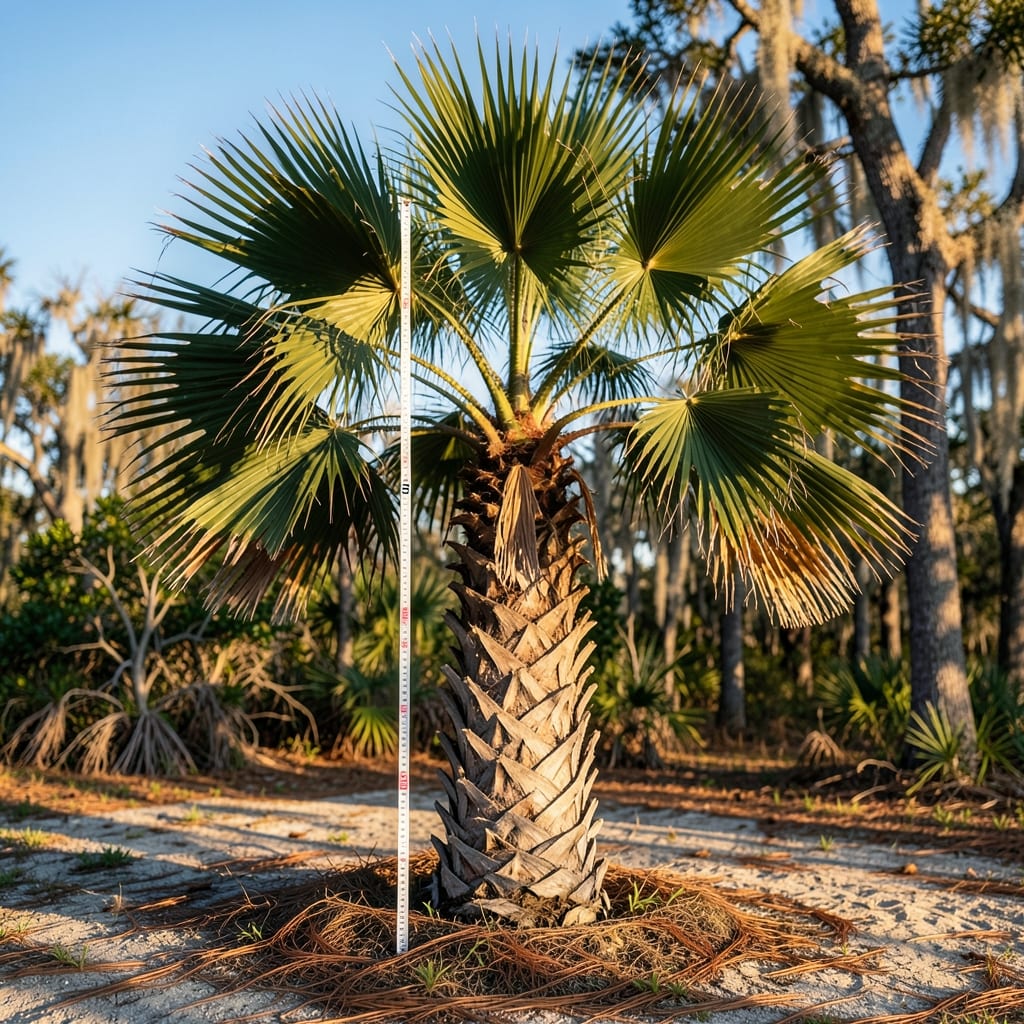
Curious about how tall the Sabal Palm can grow in meters? This iconic tropical tree isn’t just a statement piece—it’s a long-term investment in your landscape, with mature heights that can transform your outdoor space from charming to breathtaking.
Most Sabal palms tower between 6 to 12 meters at maturity, but some varieties stretch even taller, while dwarf types stay compact. Whether you’re planning a backyard retreat or a city garden, knowing these growth ranges helps you pick the perfect variety for your space and climate.
What’s the secret to unlocking their full potential? It’s all about where you plant them—sunlight, soil, and even your local frost dates play a huge role. I’ll break down how to estimate your palm’s future height before you even dig the first hole.
Ready to turn your yard into a lush, palm-filled paradise? Let’s dive into the factors that determine just how high your Sabal Palm 🌴 will soar—and how to keep it thriving for decades.


Sabal palm height by species: mature size limits in meters
When planning your tropical garden, knowing the mature height of your Sabal palm is crucial. These palms can reach impressive sizes, but not all species grow equally. The average Sabal palm height ranges from 6 to 12 meters, but some varieties can tower up to 15 meters or more. Understanding these differences helps you choose the right species for your space, whether you have a sprawling estate or a cozy urban courtyard.
For example, the Sabal palmetto, native to the southeastern U.S., often grows between 10 and 15 meters tall. Meanwhile, the Sabal minor, or dwarf palmetto, stays much shorter, typically reaching 3 to 5 meters. These variations make Sabal palms versatile for different landscaping needs, from privacy screens to elegant focal points.
If you're wondering how tall your Sabal palm will grow, the species is the first factor to consider. Below, we’ve compared the mature heights of the most popular Sabal species in meters, along with their growth habits and ideal growing conditions. This will help you visualize how each variety will fit into your garden design.
| Species | Mature Height (Meters) | Growth Rate | Best For |
|---|---|---|---|
| Sabal palmetto | 10–15 m | Moderate (30–50 cm/year) | Large gardens, coastal areas |
| Sabal minor | 3–5 m | Slow (15–25 cm/year) | Small spaces, containers |
| Sabal mexicana | 12–18 m | Fast (50–75 cm/year) | Large landscapes, tropical climates |
| Sabal causiarum | 6–10 m | Moderate (25–40 cm/year) | Median gardens, urban areas |
| Sabal etonia | 4–6 m | Slow (15–20 cm/year) | Small gardens, containers |
If you're planting a Sabal palm in a small urban garden, the Sabal minor or Sabal etonia are excellent choices. Their compact sizes make them ideal for patios or balconies, where space is limited. On the other hand, if you have a large property or live in a tropical climate, the Sabal palmetto or Sabal mexicana will thrive and add dramatic height to your landscape.
Another key consideration is the growth rate. Faster-growing species like Sabal mexicana can add 50 to 75 centimeters per year, while slower varieties like Sabal minor grow just 15 to 25 centimeters annually. This difference affects how quickly your palm will reach its mature height, which is especially important if you're planning a quick privacy screen or a fast-maturing focal point.
For those with limited space but a love for Sabal palms, consider container gardening. Dwarf varieties like Sabal minor can be grown in large pots, allowing you to enjoy their tropical beauty without sacrificing yard space. Just ensure the container is at least 50 centimeters wide and has drainage holes to prevent root rot.
When selecting a Sabal palm, also think about its canopy spread. While height is a major factor, the width of the palm can impact how it fits into your garden layout. For example, Sabal palmetto can spread 5 to 8 meters, while Sabal minor stays more compact at 2 to 3 meters. Balancing height and spread ensures your palm doesn’t outgrow its space too quickly.
If you're unsure which species to choose, start by measuring your garden space and noting the mature height and spread of each variety. Sketch a rough layout to visualize how the palm will fit into your existing plants and structures. This step can save you from future headaches and ensure your Sabal palm becomes a stunning, long-lasting addition to your garden.
Finally, remember that even within a species, individual palms can vary slightly in height due to growing conditions. Providing the right soil, water, and sunlight will help your palm reach its full potential. In the next section, we’ll dive deeper into the factors that influence Sabal palm height and how you can optimize growth for your specific climate.
Factors that determine Sabal palm height: climate, soil, and care
Your Sabal palm’s mature height isn’t just about its species—it’s also shaped by your local climate, soil quality, and the care you provide. For example, a Sabal palmetto planted in USDA Zone 8 might reach 12 meters, while the same palm in Zone 6 could stay under 8 meters due to cooler temperatures slowing growth. Understanding these factors helps you set realistic expectations and optimize your palm’s potential.
One of the biggest influences is sunlight exposure. Sabal palms thrive in full sun (6+ hours daily), but insufficient light can stunt their growth. In shady spots, they may grow 30–50% slower and develop weak, leggy trunks. If your garden has partial shade, choose tolerant varieties like Sabal minor, which can adapt better to lower light conditions while still reaching 3–5 meters.
Soil drainage is another critical factor. Sabal palms hate soggy roots—poor drainage can cause root rot, which stunts growth and weakens the plant. Amend heavy clay soil with organic matter like compost or sand to improve aeration. In well-draining soil, your palm can grow 20–30% taller than in compacted or waterlogged conditions. A quick test: Dig a hole, fill it with water, and if it drains in under an hour, your soil is likely suitable.
🌱 Key Factors Affecting Sabal Palm Height
- Climate: Warmer zones (8+) = faster growth; cooler zones (6–7) = slower growth.
- Sunlight: Full sun = max height; partial shade = stunted growth.
- Soil: Well-draining soil = taller palms; waterlogged soil = root rot.
- Watering: Deep, infrequent watering = healthy growth; overwatering = weak trunks.
- Pruning: Removing dead fronds = encourages upward growth; neglect = bushier but shorter.
Optimize these factors to help your Sabal palm reach its full mature height—or control its size in small spaces!
Watering habits also play a surprising role in height. While Sabal palms are drought-tolerant once established, inconsistent watering—either too much or too little—can limit their growth. Overwatering leads to weak, spindly trunks that struggle to support the palm’s weight, while underwatering stresses the plant, slowing its upward progress. Aim for deep watering every 7–10 days in the first year, then reduce to every 2–3 weeks once established.
Pruning practices can subtly influence height too. Regularly removing dead or yellow fronds redirects the palm’s energy upward, encouraging a taller, straighter trunk. However, avoid aggressive pruning—cutting too many healthy fronds at once can shock the plant and stunt growth. For compact growth, like in urban gardens, prune the top fronds lightly to promote bushier, shorter habits.
Finally, fertilization can boost height by 10–20% if done correctly. Use a balanced fertilizer (6-6-6) in early spring to fuel new growth. Avoid fertilizing in summer or fall, as this can encourage weak, late-season growth that’s vulnerable to frost damage. For container-grown Sabal palms, reduce fertilizer by half to prevent salt buildup in the soil.
By tuning these factors—climate, sunlight, soil, water, and care—you can steer your Sabal palm toward its ideal mature height, whether you’re aiming for a towering tropical giant or a manageable patio plant. Next, we’ll explore how to predict your palm’s future height before you even plant it, so you can plan with confidence!