
Size
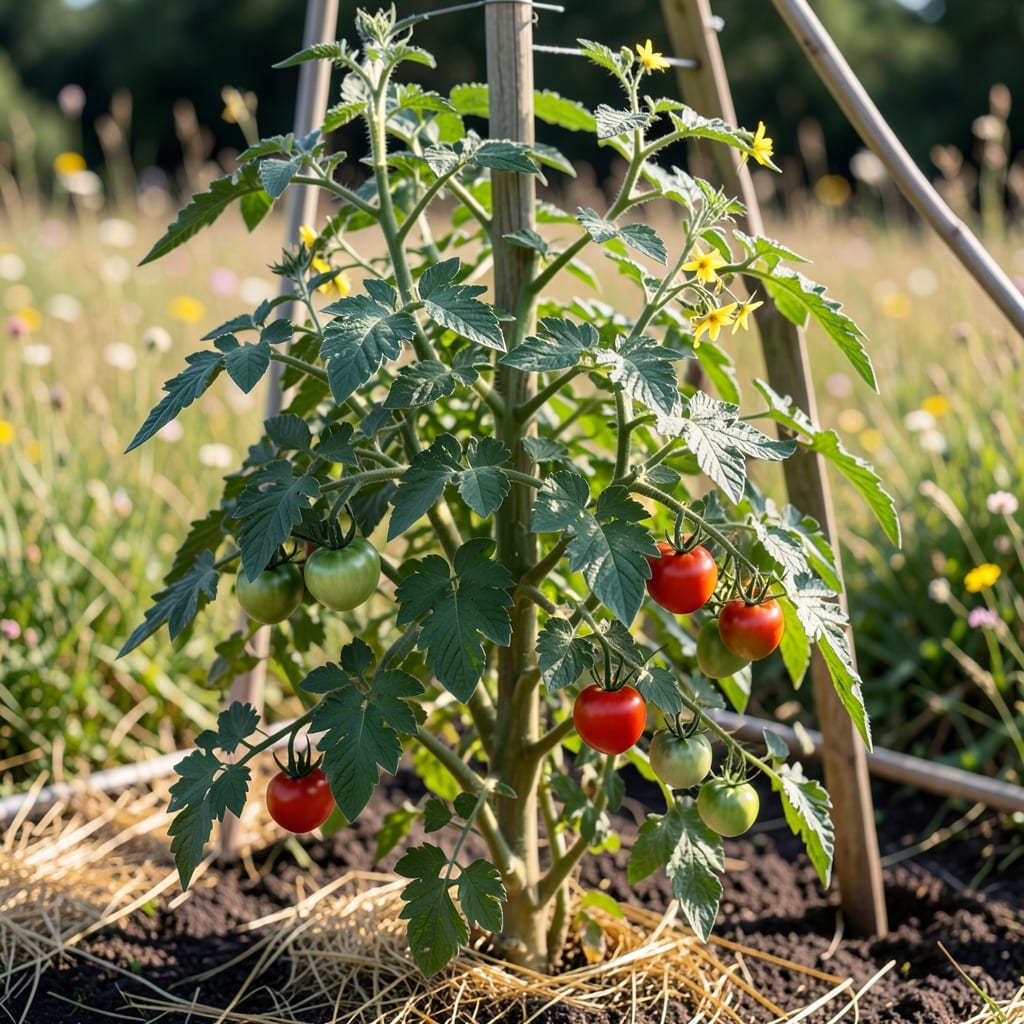
If you’ve ever wondered how tall tomatoes can grow, you’re not alone—the answer depends on the variety and your care. Determinate tomatoes might top out at 3 feet, perfect for containers, while indeterminate varieties can climb to 12 feet or more, turning your garden into a vertical feast.
But here’s the catch: height isn’t just about genetics. Pruning, support structures, and sunlight play huge roles in shaping your tomato’s growth. Whether you’re working with a compact dwarf or a sky-reaching giant, knowing how to manage their size will determine how much you harvest—and how easily you reach those ripe fruits.
Let’s break down the science behind tomato heights, from bushy 3-footers to 12-foot vines, and share practical tips to keep your plants thriving—no matter how tall they grow. You’ll learn which varieties suit your space, how to support them, and when to step in to guide their growth.
Ready to transform your garden into a tomato tower? The key to success starts with understanding your plants—and we’ve got the insights to help you grow like a pro.


Tomato growth heights: from dwarf varieties to sky-high giants
Tomatoes aren’t one-size-fits-all when it comes to height. Some varieties stay compact like bushy shrubs, while others climb like jungle vines, reaching heights that’ll make your garden fence look like a mere suggestion. The difference? Genetics and growth habits—specifically, whether your tomato is determinate (bush-type) or indeterminate (vining). Let’s break down what to expect from your tomato plants based on their natural tendencies.
Determinate tomatoes—like the classic Roma or Celebrity—typically max out around 3 to 5 feet tall. They grow in a bushy shape and produce fruit all at once, making them ideal for container gardening or small spaces. Indeterminate varieties, on the other hand, are the vertical superstars of the tomato world. Varieties like Beefsteak or Brandywine can stretch 10 to 12 feet tall (or even taller with proper care!), producing fruit continuously throughout the season.
But here’s the kicker: height isn’t set in stone. With the right pruning techniques, support structures, and a little elbow grease, you can coax even dwarf varieties to grow taller—or keep those sky-high vines in check. The key is understanding your plant’s natural growth pattern and working with it, not against it.
🌱
If you’ve ever seen a tomato plant sprawling across a fence or trellis like a green waterfall, you’ve met an indeterminate variety in action. These plants don’t have a built-in stop sign—they’ll keep growing as long as conditions are right. That means pruning becomes your best friend to manage height and direct energy toward fruit production rather than wild, unchecked growth.
On the flip side, dwarf varieties are perfect for gardeners with limited space or those who prefer a low-maintenance approach. They’re self-contained, produce fruit in a single flush, and rarely need support. But even these can benefit from a small cage or stake to keep them upright and make harvesting easier.
🌿
So, how do you know which type you’re growing? Check the seed packet or plant tag—it’ll tell you whether your tomato is determinate or indeterminate. If you’re starting from seed, do a quick search for the variety name to confirm. Once you know, you can plan your garden layout, support structures, and even your harvesting strategy around your plant’s natural tendencies.
For example, if you’re growing Sungold cherry tomatoes (an indeterminate variety), expect a 6-foot vine that’ll need a sturdy trellis. But if you’re planting Tiny Tim (a dwarf variety), a 5-gallon pot on your patio will do just fine. Understanding these differences saves you from overcrowding, breakage, or disappointment when your plants don’t reach their full potential.
🪴
Ready to put this knowledge into action? The next step is learning how to control tomato height—whether you want to rein in a rampant vine or encourage a compact plant to stretch a little taller. That’s where pruning, trellising, and support systems come into play, and we’ll cover all the details in the next section.
Tomato growth heights: from dwarf varieties to sky-high giants
The height of tomato plants can vary dramatically—from dwarf varieties that stay under 3 feet to indeterminate giants that climb to 12 feet or more. This difference isn’t random; it’s all about genetics. Determinate tomatoes grow in compact bushes and stop at a set height, while indeterminate types keep growing until frost, producing fruit along the way like a living vine. Even semi-determinate varieties fall somewhere in between, offering a middle ground for gardeners with limited space.
Your garden layout and support structures play a huge role too. Without proper stakes or trellises, even dwarf varieties might sprawl, while tall vines left unsupported can snap under the weight of heavy fruit. Pruning also influences height—pinching back suckers (side shoots) encourages upward growth in indeterminate types, while determinate varieties rarely need pruning at all. The key is matching your variety choice to your space and goals.
| Variety Type | Mature Height | Growth Habit | Best For |
|---|---|---|---|
| Dwarf Varieties | 1–3 ft | Bushy, compact | Containers, small spaces |
| Semi-Determinate | 3–5 ft | Moderate vining | Balconies, small gardens |
| Indeterminate Giants | 6–12+ ft | Unlimited growth | Trellises, large gardens |
Let’s talk real-world examples. The 'Tiny Tim' tomato, a dwarf variety, tops out at just 18 inches—perfect for windowsills or hanging baskets. On the other end of the spectrum, 'Brandywine' or 'Cherokee Purple' indeterminate varieties can grow 10–12 feet tall if given the right support. I’ve seen gardeners in greenhouses train these vines to climb along walls or even ceilings, creating a stunning vertical garden. The trick? Start with sturdy stakes or a tomato cage early, and be ready to tie up vines as they grow.
Sunlight and soil also affect height. Full sun (6+ hours daily) encourages vigorous growth, while shade can stunt plants—especially tall varieties. For container growing, choose dwarf or semi-determinate types like 'Patio Princess' or 'Roma', as they won’t outgrow their pots. If you’re growing in the ground, amend your soil with compost to support the extra weight of heavy fruit on tall vines. A 5-gallon pot might work for dwarf varieties, but indeterminate types need at least a 15-gallon container to thrive.
Don’t forget about climate zones. In warmer regions (zones 8–10), indeterminate tomatoes can grow year-round, while in cooler zones (5–7), they’ll need protection or early starts indoors. I’ve grown 'Sungold' cherry tomatoes in zone 6 by planting them in black plastic mulch to extend the season—resulting in vines that reached 8 feet by late summer. The moral? Your local climate can push or limit your tomato’s vertical potential.
Whether you’re dreaming of a 12-foot tomato tower or a 2-foot potted bush, the right variety and care will get you there. Next, we’ll dive into pruning and support hacks to keep your plants happy—no matter how tall they grow. Stay tuned for tips on trellising, staking, and when to intervene (or not!) with your tomato’s growth.