
Flowers
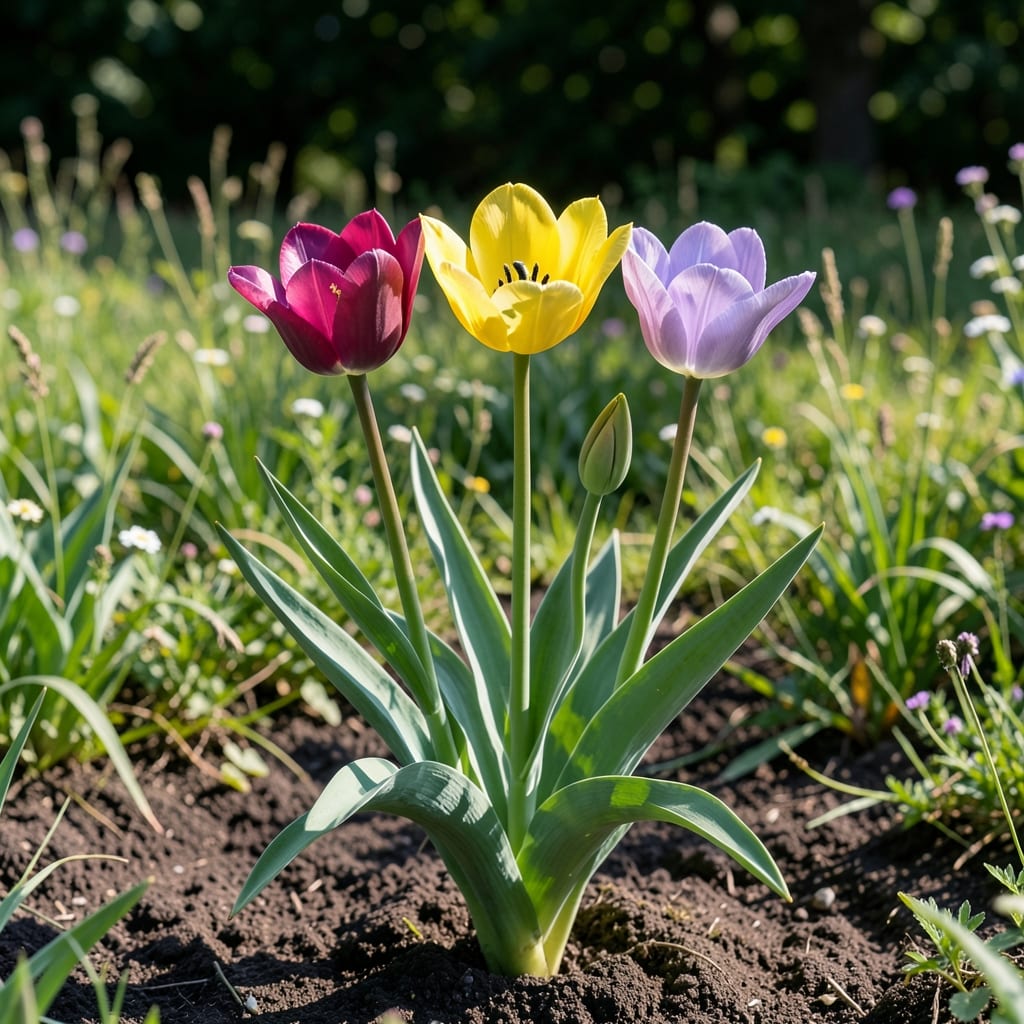
If you’ve ever wondered how tall can tulips grow in your garden, the answer might surprise you—some varieties stretch toward the sky like nature’s skyscrapers, while others stay modestly close to the ground. Whether you’re planning a dramatic spring border or a cozy container display, knowing the height range of your 🌷 tulips is key to creating a balanced, eye-catching look.
The truth is, tulip height varies wildly depending on the species. Darwin hybrids, for example, can tower over 2 feet, while species tulips like Tulipa tarda barely reach your knees. Even within the same variety, factors like soil depth, sunlight exposure, and proper fertilization can push stems a few inches higher—or shorter—than expected.
But here’s the game-changer: the right planting techniques can help you control height naturally. Whether you’re dealing with floppy stems or aiming for a uniform display, small adjustments in bulb depth, staking, and spacing make all the difference. Let’s break down the secrets behind tulip growth so you can pick the perfect varieties for your space—and watch them thrive.
From dwarf blooms that add texture to rock gardens to towering Darwin hybrids that steal the show, every tulip has its own height story. By the end of this guide, you’ll know exactly which species to choose, how to maximize their potential, and when to step in with a little support. Ready to turn your garden into a tulip height masterpiece?

Tulip species height guide: from dwarf to towering varieties
When it comes to how tall can tulips grow, the answer depends entirely on the species. Some varieties stay compact enough for rock gardens, while others reach heights that make them perfect for dramatic backdrops. Knowing these height ranges helps you plan your garden layout with precision—whether you’re creating a layered border or a container display.
For example, species tulips like Tulipa tarda and Tulipa humilis typically stay between 3–6 inches tall, making them ideal for ground covers or edging. On the other end of the spectrum, Darwin hybrid tulips can soar to 24 inches or more, demanding space and support to prevent flopping in wind or rain.
Here’s the key: height isn’t just about the variety—it’s also about how you plant and care for them. Even the tallest tulips can be coaxed into a more manageable size with the right techniques, while dwarf varieties might stretch taller if given extra nutrients or sunlight. Let’s dive into the specifics so you can pick the perfect tulips for your space.
🌷
🌱 Tulip Height by Species
| Species/Variety | Height Range | Best For | Notes |
|---|---|---|---|
| Species Tulips (e.g., Tulipa tarda) | 3–6 inches | Rock gardens, borders | Early bloomers, drought-tolerant |
| Dwarf Tulips (e.g., Tulipa clusiana) | 6–12 inches | Containers, window boxes | Delicate blooms, great for cut flowers |
| Semi-Dwarf Tulips (e.g., Tulipa greigii) | 12–18 inches | Mixed borders, cottage gardens | Long-lasting, vibrant colors |
| Standard Tulips (e.g., Tulipa fosteriana) | 18–24 inches | Back of borders, cut flower gardens | Large, showy blooms |
| Darwin Hybrid Tulips (e.g., Tulipa 'Apeldoorn') | 20–24+ inches | Dramatic focal points | Tallest tulips; may need staking |
| Parrot Tulips (e.g., Tulipa 'Black Parrot') | 18–24 inches | Containers, mixed plantings | Unique ruffled petals; sturdy stems |
| Fringed Tulips (e.g., Tulipa 'Frans Hals') | 16–20 inches | Cut flowers, bouquets | Elegant, feathered edges |
If you’re designing a garden with height variation in mind, consider pairing taller varieties like Darwin hybrids with shorter species tulips. For instance, planting Tulipa tarda (3–6 inches) in front of Tulipa 'Apeldoorn' (20–24 inches) creates a stunning layered effect that draws the eye upward.
For container gardens, stick to dwarf or semi-dwarf varieties like Tulipa clusiana or Tulipa greigii to avoid overcrowding. These compact beauties thrive in pots and add bursts of color without overwhelming smaller spaces. Just ensure your container has drainage holes to prevent bulb rot—a common issue with tulips planted too deep in confined spaces.
One of my favorite tricks for maximizing height potential is to plant bulbs shallower in well-draining soil. While the general rule is 6–8 inches deep, reducing depth by 1–2 inches can encourage slightly taller stems, especially in varieties like Tulipa fosteriana. Just be cautious—too shallow, and the bulb may not establish properly for next year’s blooms.
🌿
How soil depth and planting techniques affect tulip height
The depth at which you plant tulip bulbs plays a surprisingly large role in determining how tall they’ll grow. While most gardeners follow the standard 6–8 inches deep rule, slight adjustments can influence stem elongation—sometimes by as much as 2–4 inches. For example, planting Tulipa fosteriana bulbs just 1 inch shallower (5 inches deep) might encourage stems to reach 22 inches instead of 20, while deeper planting (8+ inches) can stunt growth to 16 inches.
This happens because deeper planting forces the bulb to send out longer stems to reach sunlight, while shallower planting triggers a more compact growth habit. However, there’s a critical balance: planting too shallow risks exposing the bulb to frost heave or poor establishment. In my own garden, I’ve found that loose, well-draining soil allows for more flexibility in depth adjustments without sacrificing bulb health.
🌱
⚠️ Planting Depth Pitfalls
Another game-changer is soil drainage. Tulips planted in heavy clay soil often produce shorter stems because their energy goes toward root development rather than stem elongation. To counteract this, I always amend clay soil with compost or perlite before planting. This not only improves drainage but also encourages taller, more vigorous growth—especially in Darwin hybrid varieties that naturally lean toward the taller side.
Sunlight exposure also plays a subtle but significant role. Tulips planted in partial shade (4–6 hours of sun) may grow 10–15% shorter than those in full sun. If you’re working with a shady spot, choose shade-tolerant varieties like Tulipa 'Queen of Night' (18 inches) or Tulipa 'White Dream' (20 inches), which handle lower light better than sun-loving Darwin hybrids.
Finally, mulching habits can influence height. A thick layer of mulch (3–4 inches) helps insulate bulbs in winter but can also suppress stem growth if applied too early in spring. I recommend waiting until shoots emerge before adding mulch, and keeping it 2 inches deep to avoid stunting growth.
💧