
Trees
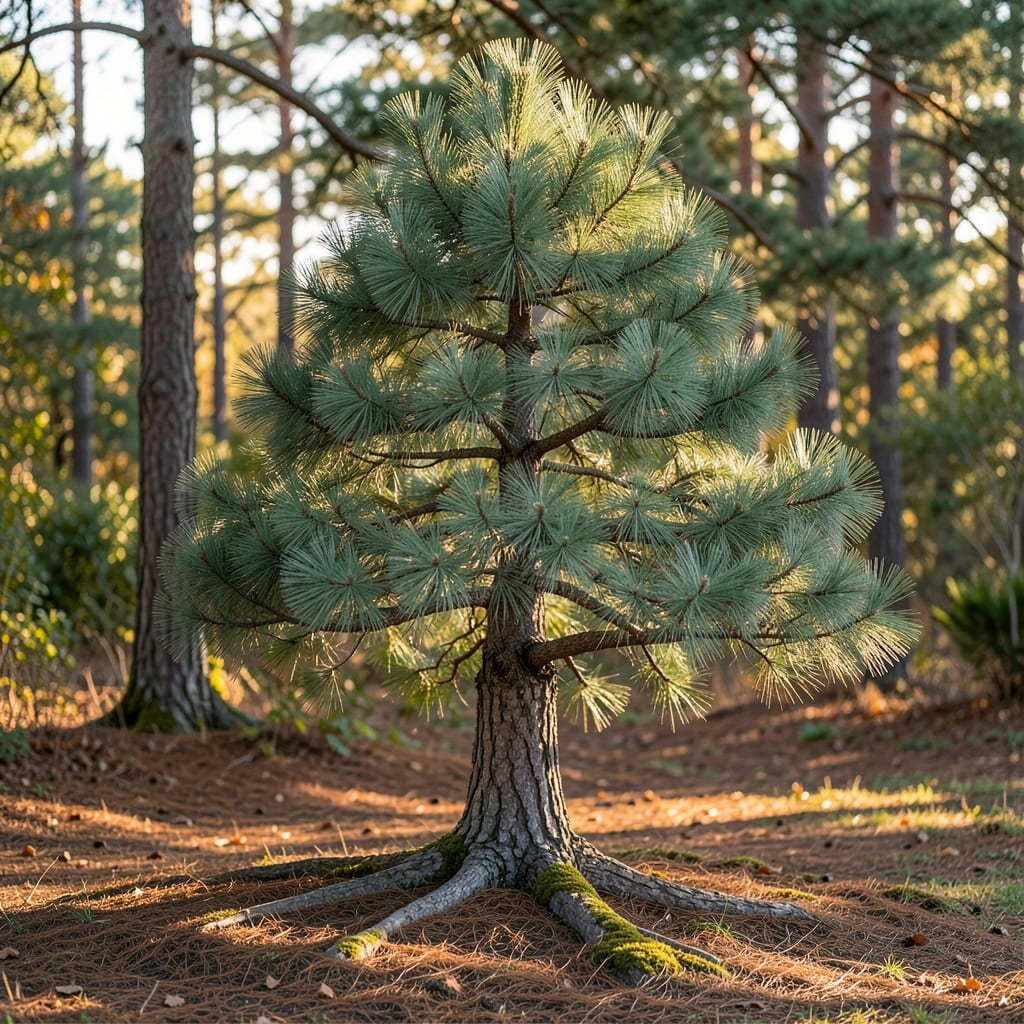
If you've ever wondered just how tall those majestic 🌲 White Pines can grow, the answer might surprise you. These towering evergreens aren't just backyard decorations - they're nature's skyscrapers, capable of reaching heights that dwarf most buildings in your neighborhood.
For those in USDA Zone 6a and beyond, understanding these growth patterns is key to making informed planting decisions. Whether you're dreaming of a privacy screen or simply admiring nature's grandeur, knowing what to expect helps you plan your landscape with confidence.
From the Eastern White Pine that can stretch over 80 feet to the more modest but still impressive varieties, we'll explore how different species reach their full potential. The right conditions can make all the difference in whether your White Pine becomes a gentle giant or a true forest monarch.
Discover the secrets to encouraging healthy growth and learn which factors - from soil quality to climate - play the biggest role in determining just how tall your White Pine will become. Let's uncover the truth about these magnificent trees and what your landscape can achieve.


White Pine height by species: from dwarf varieties to forest giants
When I first planted my Eastern White Pine, I had no idea it would one day tower over my house. These trees are nature's vertical marvels, and their mature heights vary dramatically depending on the species. Some varieties stretch toward the sky like skyscrapers, while others remain manageable for smaller properties. Understanding these differences helps you choose the perfect pine for your landscape needs.
The Eastern White Pine (Pinus strobus) is the most common variety in North America, capable of reaching 80-100 feet in ideal conditions. In the wild, these giants can even surpass 150 feet with perfect growing conditions. Meanwhile, the Western White Pine (Pinus monticola) typically grows 50-100 feet tall, with some specimens in mountain forests exceeding 120 feet.
For those with limited space, don't despair! While true dwarf varieties are rare, some semi-dwarf selections like 'Nana' or 'Glauca Globosa' stay between 10-30 feet tall. These compact options are perfect for urban gardens or as specimen plants in smaller yards. The key difference between these and their towering cousins lies in their genetic growth rates and branching habits.
Here's where things get interesting: the Weeping White Pine (Pinus strobus 'Pendula') grows just as tall as its upright counterparts but with a graceful, cascading form. This variety can reach 60-80 feet while creating a stunning visual display. The Dwarf White Pine (Pinus strobus 'Contorta') is another unique option, growing only 10-15 feet tall but with fascinating twisted branches.
| Species | Mature Height | Growth Rate | Best For |
|---|---|---|---|
| Eastern White Pine | 80-150 ft | 1-2 ft/year | Privacy screens, large properties |
| Western White Pine | 50-120 ft | 0.8-1.5 ft/year | Mountain gardens, forest edges |
| Weeping White Pine | 60-80 ft | 1-1.5 ft/year | Specimen planting, ornamental features |
| Dwarf White Pine 'Nana' | 10-30 ft | 0.5-1 ft/year | Urban gardens, containers |
| Dwarf White Pine 'Contorta' | 10-15 ft | 0.3-0.5 ft/year | Bonsai, rock gardens |
| Japanese White Pine | 40-60 ft | 0.8-1.2 ft/year | Asian-inspired gardens |
What's fascinating is how these heights develop over time. In their first year, white pines typically grow 2-4 feet tall, with some fast-growing varieties reaching 6 feet under ideal conditions. By year three, they can double in height, establishing themselves as dominant features in your landscape. The Eastern White Pine in my neighbor's yard grew 12 feet in just three years before hitting its stride.
The key to encouraging maximum height lies in understanding each species' natural growth habits. For example, Eastern White Pines grow faster in USDA Zones 3-7 where they experience cold winters and moist summers. Meanwhile, Western White Pines thrive in Zones 4-8 with drier climates. These regional preferences explain why some pines in the Pacific Northwest reach greater heights than their Eastern counterparts.
If you're considering planting a white pine for height, remember that these trees need space to grow. The root system of a mature Eastern White Pine can spread 20-30 feet wide, so proper spacing is crucial. For smaller varieties, you can plant them closer together—just 6-10 feet apart—while larger species need 20-30 feet of clearance. This spacing prevents root competition that could stunt growth.
One common misconception is that all white pines grow at the same rate. In reality, their growth rates vary
How climate Zones affect White Pine growth: cold vs. warm regions
White pines are remarkably adaptable, but their height potential shifts dramatically depending on where you plant them. The USDA hardiness zones play a crucial role in determining whether your white pine will become a towering forest giant or a more modest landscape feature. In cold climates like New England, Eastern White Pines often reach their maximum heights of 100+ feet, while in warmer southern zones, growth may slow significantly.
The Eastern White Pine thrives in Zones 3-7, where cold winters and moist summers create ideal conditions. In these regions, you can expect 1-2 feet of annual growth, allowing them to reach their full height potential. Meanwhile, in Zones 8-9, growth rates may drop to just 0.5-1 foot per year, resulting in shorter, broader trees that focus on width rather than height.
Here's where things get interesting: the Western White Pine prefers Zones 4-8 and actually grows taller in drier mountain climates than its Eastern cousin does in humid forests. This species often exceeds 120 feet in the Pacific Northwest's cooler, drier conditions, while struggling to reach 80 feet in the hotter, more humid Southeast.
| Climate Zone | Species | Mature Height | Growth Rate | Key Limiting Factor |
|---|---|---|---|---|
| Zones 3-5 | Eastern White Pine | 100-150 ft | 1.5-2 ft/year | Cold winters |
| Zones 6-7 | Eastern White Pine | 80-120 ft | 1-1.5 ft/year | Moisture availability |
| Zones 4-6 | Western White Pine | 90-120 ft | 1-1.5 ft/year | Dry mountain air |
| Zones 7-8 | Western White Pine | 60-90 ft | 0.8-1.2 ft/year | Heat stress |
| Zones 8-9 | Eastern White Pine | 40-60 ft | 0.5-1 ft/year | Humidity |
| Zones 5-6 | Japanese White Pine | 30-50 ft | 0.5-1 ft/year | Soil quality |
The Japanese White Pine offers a fascinating case study in climate adaptation. While it typically reaches 40-60 feet in its native Zones 6-8, it struggles to grow taller than 30 feet in hotter southern climates. This species actually prefers cooler maritime climates where temperatures rarely exceed 80°F in summer. In my own garden in Zone 6a, I've found that providing afternoon shade during heatwaves helps maintain healthier growth rates.
If you're planting white pines in marginal climates, there are