
Size
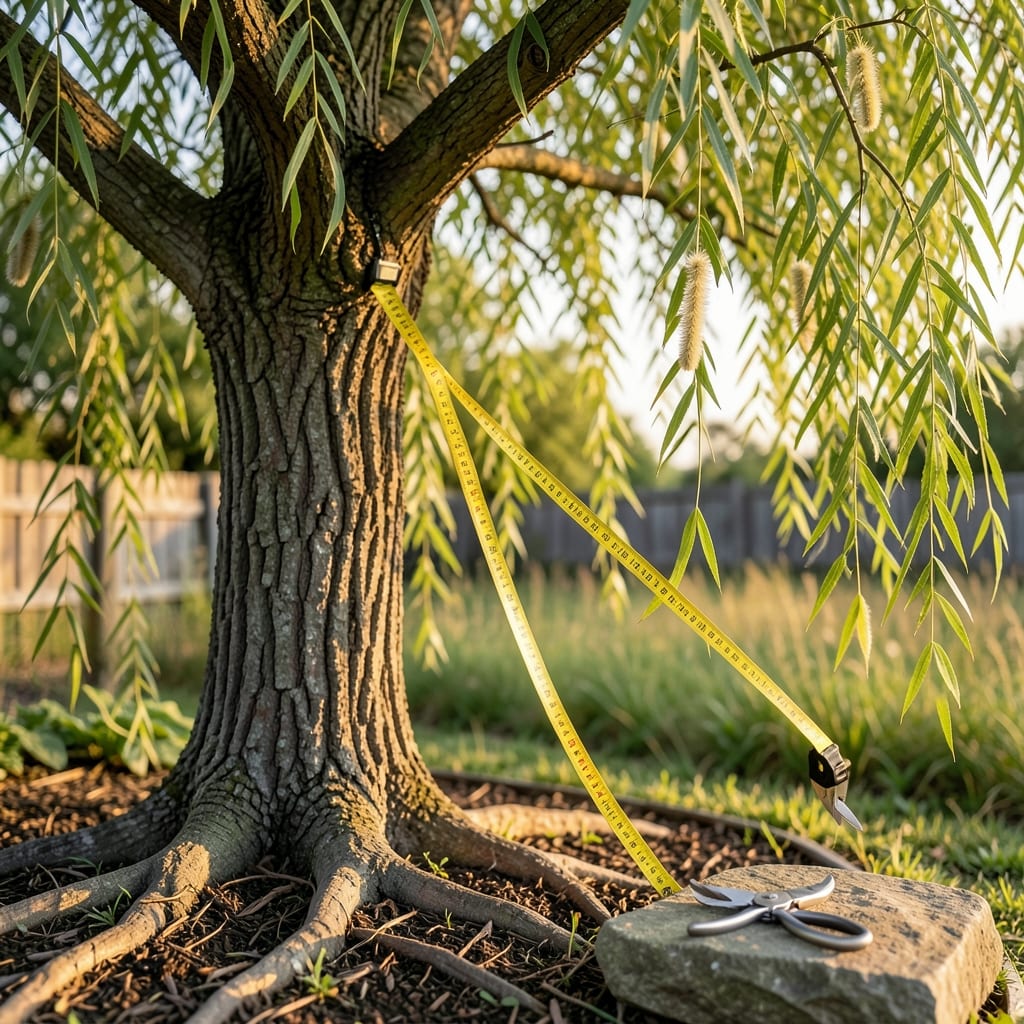
If you’ve ever wondered how tall can willow trees grow, the answer might surprise you—some tower over 100 feet, while others stay compact enough for city gardens. These fast-growing trees are nature’s skyscrapers, but their height depends on the species, soil, and even your pruning habits.
The weeping willow, for example, often reaches 30–50 feet at maturity, while the white willow can stretch toward 60 feet or more in ideal conditions. Whether you’re dreaming of a dramatic backyard centerpiece or need a smaller variety for a patio, understanding these differences is key to planning your landscape.
Growth factors like moisture, sunlight, and pruning play a huge role—willows thrive in wet soils but can become unruly without guidance. I’ll break down the fastest-growing varieties, how to control their height, and the best compact options for tight spaces.
Ready to pick the perfect willow tree 🌳 for your yard? Let’s dive into the details so you can make an informed choice that fits your space and goals.


Willow tree height limits by fastest-growing varieties
Willow trees are legendary for their rapid growth, with some varieties shooting up 3–5 feet per year under ideal conditions. The weeping willow (Salix babylonica) is the most famous, often reaching 30–50 feet at maturity, while the white willow (Salix alba) can tower over 60 feet in wet, fertile soils. These giants aren’t just tall—they’re also some of the fastest-growing trees on the planet, making them both a dream and a challenge for gardeners.
If you’re planning your landscape, knowing these height limits helps you avoid surprises. A weeping willow planted near your home could easily outgrow its space, while a black willow (Salix nigra) might stay closer to 40–50 feet. Each species has its own growth quirks, so let’s break down the fastest-growing willows and their sky-high potential.
🌳
The weeping willow is the most popular choice for dramatic landscapes, thanks to its graceful, drooping branches that create a stunning canopy. It’s also one of the fastest growers, making it perfect for quick shade or privacy solutions—but be warned, its roots spread aggressively. If you’re near a pond or stream, this variety thrives in wet soils and can even help prevent erosion with its extensive root system.
For gardeners with limited space, the corkscrew willow offers a more compact option while still delivering visual impact. Its twisted branches add texture and interest without the same height requirements as its taller cousins. This makes it ideal for smaller yards or urban gardens where space is at a premium but you still want a willow’s unique charm.
🌿
If you’re considering a willow for its height potential, the white willow is the undisputed champion. It can reach heights of 60 feet or more in ideal conditions, often growing faster than any other willow species. However, this rapid growth means it needs regular maintenance to stay in check. Without pruning, a white willow can quickly outgrow its welcome, shading out other plants and even damaging structures with its sprawling roots.
One of the most critical factors in willow tree height is soil moisture. Willows love water—they’re often found growing near rivers, lakes, or wetlands. In dry conditions, their growth slows significantly, and they may struggle to reach their full potential. If you’re planting a willow in a drier climate, consider adding a drip irrigation system or planting near a water source to keep it happy and encourage rapid growth.
💧
Pruning plays a huge role in controlling height and shaping your willow tree. Most willows respond well to pruning, especially in late winter or early spring before new growth begins. By cutting back 1/3 of the tree’s height annually, you can maintain a more manageable size while still enjoying its fast growth and ornamental value. Just be sure to use sterilized pruning tools to avoid spreading disease, and avoid heavy pruning in late summer or fall, as this can stimulate weak growth before winter.
For those who love the idea of a willow but need something more manageable, the purple osier willow is a fantastic alternative. While it won’t reach the same towering heights as its larger cousins, it offers stunning purple stems and vibrant foliage, making it a standout in any garden. This variety is also more adaptable to different soil types, including drier conditions, which makes it easier to grow in urban environments.
🌳
How to control willow tree growth and prevent overgrowth
Willow trees grow with unmatched speed, but that rapid growth can quickly become a problem if left unchecked. Without proper pruning and maintenance, these trees can spread aggressively, crowding out other plants and even damaging structures with their sprawling roots. The key to managing willow growth lies in understanding their natural habits and applying targeted control methods.
One of the first steps to controlling willow height is regular pruning. Since willows grow best in early spring, this is the ideal time to shape them. By cutting back 1/3 of the tree’s height annually, you can maintain a more manageable size while still enjoying their fast growth. Always use sterilized tools to prevent disease spread, and avoid heavy pruning in late summer or fall, as this can stimulate weak growth before winter.
🌳
Warning: Willow Roots Spread Fast!
Willow roots can spread up to 70 feet from the tree, invading septic systems, foundations, and underground pipes. Install a root barrier (bury plastic or metal barriers 2–3 feet deep) to contain them.
For gardeners dealing with aggressive root spread, installing a root barrier is essential. These barriers, typically made of plastic or metal, should be buried 2–3 feet deep around the tree’s perimeter. This prevents roots from wandering too far, protecting nearby structures and other plants. If you’re planting a willow near a pond or stream, this step is especially critical, as their roots thrive in waterlogged soils.
Another effective method is selective pruning of suckers. Willow trees often produce shoots from their roots, which can quickly become new trees if not removed. By cutting these suckers at ground level in early spring, you can redirect the tree’s energy into the main trunk, slowing overall growth. This technique is particularly useful for weeping willows, which are notorious for producing these unwanted shoots.
💧
Water management also plays a role in controlling willow growth. While willows love moisture, overwatering can encourage faster growth, making them harder to manage. In drier climates, consider reducing water frequency slightly to slow their expansion. However, avoid letting the soil dry out completely, as this can stress the tree and reduce its vigor. A balanced approach—keeping the soil consistently moist but not waterlogged—helps maintain a healthier, more manageable tree.
If you’re dealing with an already overgrown willow, don’t panic. You can still bring it under control with strategic pruning and root management. Start by removing any dead or diseased branches, then focus on thinning the canopy to improve airflow. For particularly large trees, consider hiring a professional arborist to ensure safe and effective pruning. With patience and consistent care, even the most unruly willow can be transformed into a well-behaved addition to your landscape.
✂️