
Shrubs
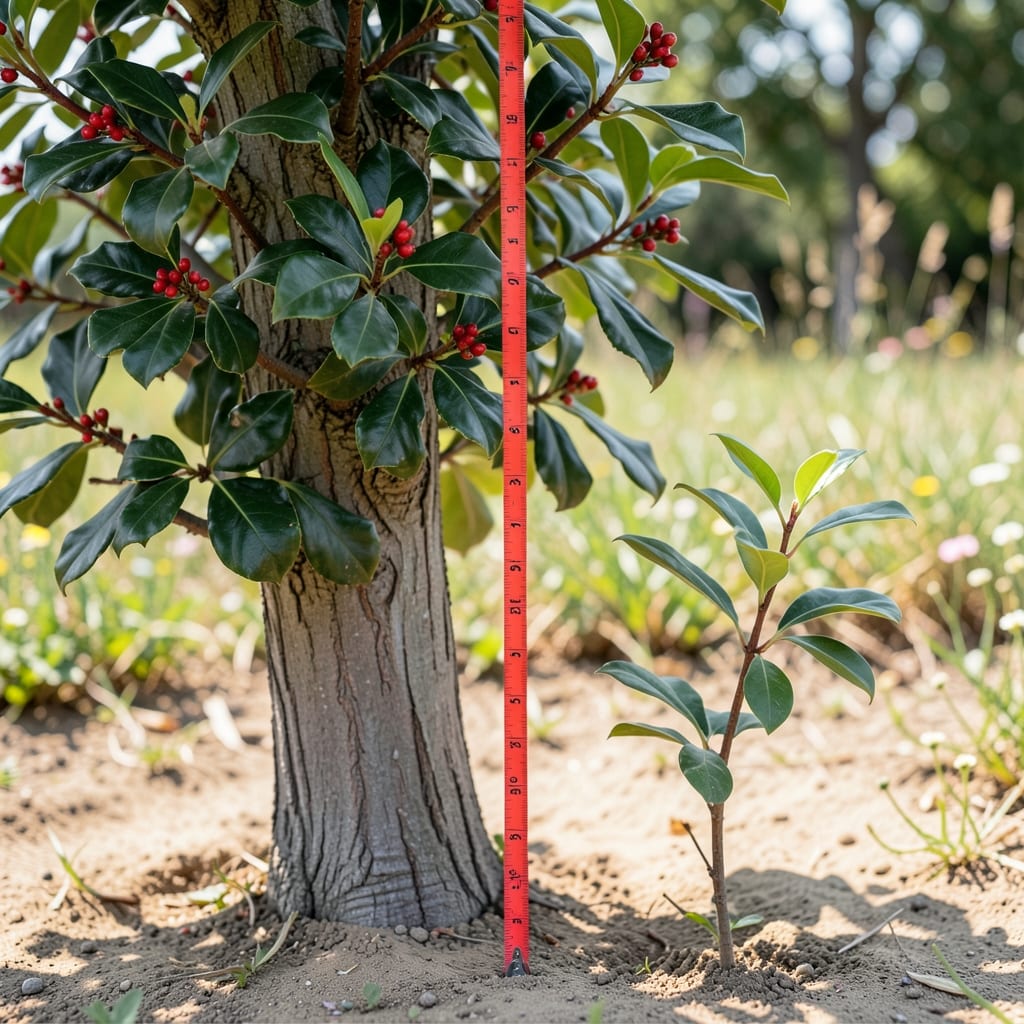
Wondering how tall can yaupon grow in your backyard? This native 🌿 powerhouse can reach heights of 10 to 25 feet, depending on its variety and growing conditions. Whether you're planning a privacy screen or a wildlife-friendly landscape, yaupon's adaptability makes it a standout choice for gardeners in Zones 7-10.
What sets yaupon apart is its dual nature—it thrives as both a shrub and a small tree, giving you flexibility in design. Some varieties stay compact, perfect for hedges, while others stretch skyward, adding dramatic height to your property. The key to controlling its size lies in pruning and understanding your local climate.
If you're curious about how to harness yaupon's full potential—or keep it in check—I’ll break down the factors that influence its height. From soil conditions to seasonal care, you’ll learn exactly what it takes to grow this resilient plant to your desired size.
Ready to transform your outdoor space? Let’s explore how to nurture yaupon for the perfect height, whether you want a cozy hedge or a towering focal point. Your garden’s next star might just be this caffeine-rich native beauty.

Yaupon shrub height by variety: from compact to towering
Yaupon (Ilex vomitoria) grows with surprising versatility—some varieties stay compact enough for hedges, while others stretch into small trees. The standard yaupon typically reaches 10 to 15 feet tall, but with the right conditions, it can climb to 25 feet or more. Your choice of variety is the first step in controlling its height, as genetics set the baseline for growth potential.
For gardeners with limited space, dwarf varieties (though rare) or heavily pruned standard types can stay under 6 feet. On the other end of the spectrum, unpruned yaupon in ideal climates can rival small trees, offering dramatic vertical interest. The key is matching your variety to your garden’s scale and purpose.
Here’s how yaupon’s height varies by type, along with the best uses for each. Whether you’re aiming for a privacy screen, a wildlife-friendly border, or a statement plant, the right variety makes all the difference.
| Variety | Mature Height | Best For | Notes |
|---|---|---|---|
| Standard Yaupon | 10–25 ft | Privacy screens, wildlife habitats | Fast-growing; prune annually to control height. |
| ‘Nana’ (Dwarf) | 3–6 ft | Foundation plantings, containers | Slow-growing; ideal for small gardens. |
| ‘Schilling’ | 12–15 ft | Hedges, tea gardens | Produces abundant berries; tolerates pruning well. |
| ‘Will Fleming’ | 15–20 ft | Specimen plant, focal point | Upright growth habit; minimal pruning needed. |
| ‘Yaupon Tea’ | 8–12 ft | Caffeine-rich tea gardens | Compact enough for small plots; high caffeine yield. |
If you’re growing yaupon for berries or tea, varieties like ‘Schilling’ or ‘Yaupon Tea’ are excellent choices—they balance height with productivity. For privacy screens, standard yaupon planted in rows will create a dense, natural barrier in just a few years. And if you love dwarf varieties, ‘Nana’ is a game-changer for small spaces.
One thing to remember: yaupon’s height isn’t set in stone. With regular pruning, even a 20-foot variety can be kept at a manageable 6 feet. The key is timing—prune in late winter or early spring to encourage bushier growth and prevent leggy stems. This flexibility is what makes yaupon such a adaptable plant for any garden.
For gardeners in Zones 7–10, yaupon’s height potential is nearly limitless. In cooler zones, growth may slow, but with proper care, it can still reach 10–15 feet. The secret? Mimic its native habitat—well-draining soil, full sun, and minimal interference during its first few years.
Whether you’re a beginner gardener or a seasoned pro, yaupon’s height adaptability makes it a standout choice. Start with the right variety, give it space to grow, and don’t forget to prune—your future yaupon hedge or towering specimen will thank you.
Need help choosing the perfect variety for your space? Let’s dive into how climate and soil can further shape yaupon’s growth in the next section. 🌱
Climate and soil factors that affect yaupon growth height
Yaupon’s height potential isn’t just about the variety you choose—your local climate and soil conditions play equally important roles. Native to the Southeastern U.S., yaupon thrives in Zones 7–10, where warm temperatures and well-draining soils let it reach its full 10–25-foot stature. But move it outside this range, and growth slows dramatically, often capping at 6–10 feet in cooler climates.
In Zone 10 (e.g., Florida or coastal California), yaupon grows aggressively, sometimes exceeding 20 feet without pruning. Meanwhile, in Zone 7 (e.g., North Carolina or Virginia), expect slower growth—10–15 feet—unless you provide extra care. The key is replicating its native conditions: full sun, sandy or loamy soil, and minimal winter stress.
Soil type is another game-changer. Yaupon despises waterlogged soil—its roots rot quickly in clay or poorly draining areas. Instead, it thrives in sandy or loamy soils with a pH of 5.0–7.0. Amend heavy clay with compost or sand to improve drainage, or plant on a slope to prevent water pooling. In container gardens, use a mix of potting soil and perlite to mimic its native conditions.
Even in less-than-ideal climates, you can boost yaupon’s growth by mimicking its native environment. For example, in Zone 6, plant yaupon near a south-facing wall to capture extra heat, or mulch heavily to insulate roots. In drier regions, water deeply but infrequently—yaupon’s drought tolerance kicks in once established, but young plants need consistent moisture to reach their full height.
One common mistake is assuming yaupon will thrive in partial shade. While it tolerates 4–6 hours of sun, berry production drops significantly, and growth slows. For maximum height, prioritize full sun exposure, especially in cooler zones. If your yard lacks sun, consider a container setup near a sunny window or patio.
Ready to fine-tune your yaupon’s height? The next step is pruning and training. Learn how to shape your plant—whether you want a compact hedge or a towering specimen—without stunting its growth. Let’s get pruning! ✂️