
Vegetables
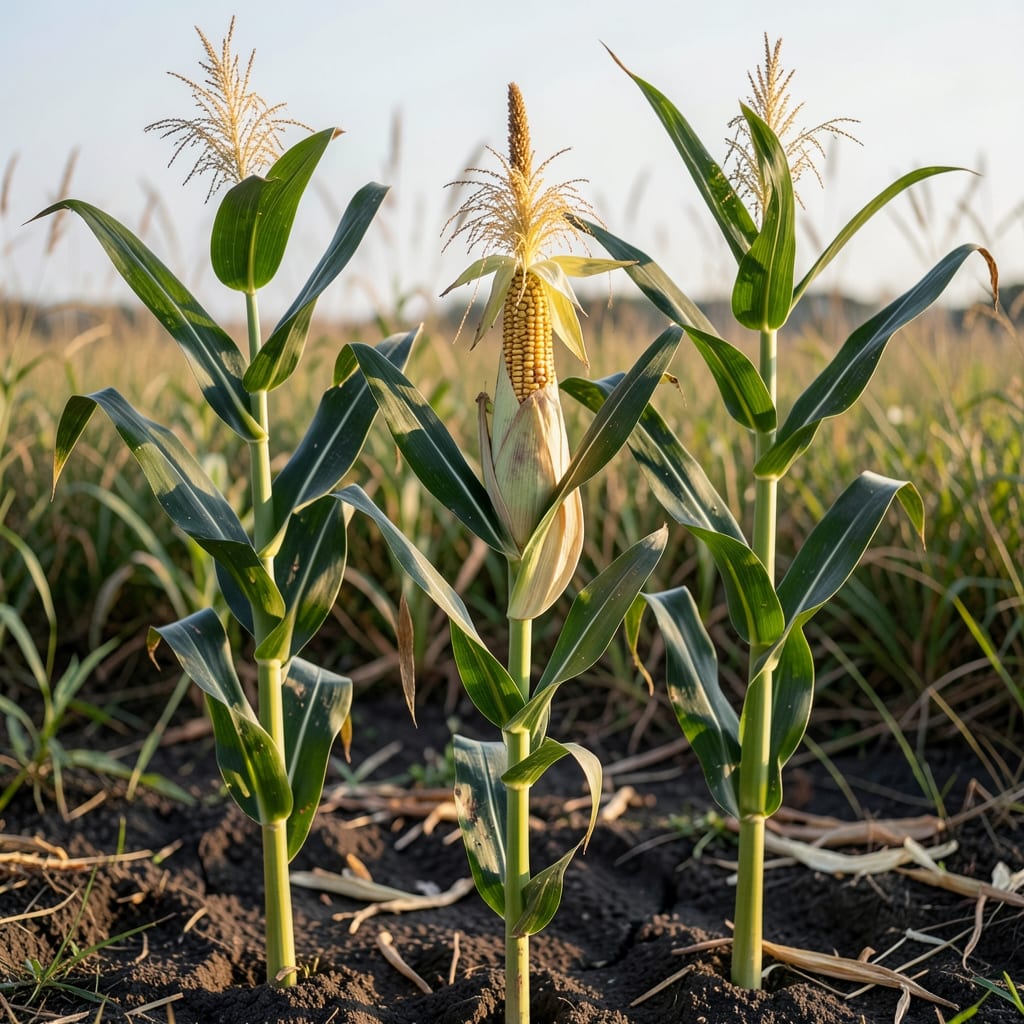
If you’ve ever wondered how tall corn grow in your backyard, the answer might surprise you—some varieties stretch taller than a basketball hoop, while others stay short enough to tuck neatly into small gardens. The key to planning your corn patch lies in understanding these differences, because the wrong choice could mean wasted space or stunted yields.
For home gardeners in USDA Zone 6a, where spring planting kicks off in mid-April, selecting the right corn variety is everything. Whether you’re dreaming of 10-foot stalks for a dramatic garden feature or prefer compact 4-foot plants that fit snugly between rows, each type has its own growth quirks and care needs. Let’s break down the heights you can expect and how to set your corn up for success.
Sweet corn, the backyard favorite, typically reaches 6 to 8 feet, making it a versatile pick for most gardens. But field corn—often grown for livestock or ornamental use—can soar to 12 feet or more, requiring extra space and support. The good news? With the right soil, sunlight, and a little patience, you can coax even the tallest varieties to thrive in your plot.
Ready to plan your corn crop? We’ll cover the tallest and shortest varieties, spacing tips to avoid overcrowding, and simple tricks to maximize height—no matter what kind of corn you’re growing. Let’s get started!

Corn height by variety: towering giants vs. compact dwarfs
Corn isn’t one-size-fits-all—some varieties grow like skyscrapers while others stay as short as a child’s reach. The tallest corn, like field corn varieties, can stretch over 12 feet tall, while dwarf corn varieties max out at just 3-5 feet. Understanding these differences helps you plan your garden layout, avoid overcrowding, and even decide whether to use trellises for support.
For USDA Zone 6a gardeners, where growing seasons are moderate, selecting the right variety is crucial. Sweet corn, the most popular choice for home gardens, typically reaches 6 to 8 feet, making it ideal for most backyard plots. But if you’re growing corn for livestock feed or ornamental purposes, you might encounter varieties that dwarf even the tallest sweet corn stalks—or tower above them.
Let’s dive into the height ranges of corn varieties, from the shortest dwarf corn to the giant field corn that can reach heights rivaling small trees. This comparison will help you pick the perfect fit for your garden space and goals.
If you’re working with limited space, dwarf corn varieties are a game-changer. They’re perfect for container gardening or small urban plots, where even a 5-foot plant might seem like a skyscraper. On the other hand, if you’re aiming for a dramatic garden feature or need corn for livestock, the tallest corn varieties will give you that wow factor—but they’ll also require more room to spread out.
Pro tip: If you’re growing tall corn varieties, consider planting them near a fence or trellis to save space and provide support. This is especially useful in Zone 6a, where wind can sometimes stress taller stalks. A simple bamboo stake or a sturdy trellis can make all the difference in keeping your corn upright and productive.
Another factor to consider is the growth habit of your corn. Some varieties, like 'Golden Bantam', grow in a more compact form, while others, like 'Mira', send up long, sturdy stalks that can handle heavier ears. If you’re growing corn for ornamental purposes, taller varieties create a stunning visual impact, especially when planted in rows or as a windbreak.
For sweet corn, height isn’t just about aesthetics—it’s also about yield. Taller plants often produce more ears, but they also require more nutrients and water. If you’re growing sweet corn in containers, stick to dwarf or semi-dwarf varieties to avoid overcrowding and ensure each plant gets enough sunlight and resources.
One common mistake is assuming all corn grows the same height. Field corn, for example, can easily reach 12 feet, while some ornamental corn varieties stay under 6 feet. Always check the seed packet or plant description to avoid surprises. And remember, even within a variety, height can vary slightly based on soil quality, sunlight exposure, and watering habits.
Ready to pick the perfect corn for your garden? The next step is matching your variety to your space and goals—whether that’s maximizing yield, saving space, or creating a stunning visual display. Let’s explore how to choose the best fit for your needs.
How to choose corn varieties based on garden space and needs
Choosing the right corn variety isn’t just about height—it’s about matching your garden’s space constraints, sunlight availability, and intended use. Whether you’re growing sweet corn for dinner or field corn for livestock, your selection should align with your garden’s layout and your goals. For example, a small urban garden might only accommodate dwarf corn varieties, while a spacious rural plot can handle 10-foot giants like 'Mira'.
Start by assessing your garden’s available square footage. Taller corn varieties, like 'Ambrosia' (8-10 feet), need at least 3 feet between rows to avoid shading and competition. In contrast, dwarf varieties like 'Golden Bantam' can thrive in containers or tight rows, making them perfect for balconies or small plots. Measure your space before selecting seeds to prevent overcrowding.
Next, consider your sunlight exposure. All corn varieties require full sun (6-8 hours daily), but taller plants need even more light to support their height. If your garden has partial shade, opt for shorter varieties or plant taller corn near the sunniest edges. In Zone 6a, where days are shorter in spring, starting seeds indoors can give taller varieties a head start before transplanting.
Your corn’s intended use also dictates the best variety. For fresh eating, sweet corn like 'Silver Queen' (6-8 feet) is ideal, while field corn varieties (10-12+ feet) are better for livestock feed or ornamental displays. If you’re growing corn for decorative purposes, taller varieties create a striking windbreak or privacy screen, but they’ll need staking to prevent toppling in windy areas.
🌽 Corn Variety Guide by Garden Need
- 📏 Small Gardens/Containers: 'Golden Bantam' (3-5 ft), 'Tom Thumb' (4 ft) – Perfect for urban plots or pots.
- 🌞 Full-Sun Backyards: 'Silver Queen' (6-8 ft), 'Country Gentleman' (8-10 ft) – Classic sweet corn for fresh eating.
- 🐄 Livestock Feed: 'Mira' (10-12+ ft), 'Country Gentleman' (field type) – High-yielding but needs space.
- 🎨 Ornamental Displays: 'Black Aztec' (8-10 ft), 'Glass Gem' (6-8 ft) – Stunning colors and heights for garden art.
- 🌿 Companion Planting: Pair tall corn with beans or squash to improve soil nitrogen and space efficiency.
For space-saving techniques, consider trellising or interplanting. Tall corn can climb a sturdy trellis or fence, freeing up ground space for other crops. In Zone 6a, where summers are warm but not scorching, trellises also help prevent lodging (falling over) from heavy ears. If you’re short on space, try succession planting: Sow dwarf corn every 2 weeks to stagger harvests without overcrowding.
Another pro tip: If you’re growing corn for both food and aesthetics, mix heights in your layout. Plant taller varieties in the back or center of your garden, with shorter ones in the front or edges. This creates visual depth while maximizing sunlight exposure for all plants. Just ensure taller corn isn’t shading shorter varieties too early in the season.
Finally, don’t overlook soil preparation. Taller corn varieties demand nutrient-rich soil to support their height and yield. Amend your garden beds with compost or aged manure before planting, and side-dress with a balanced fertilizer (10-10-10) when plants are knee-high. For dwarf varieties, lighter soil amendments suffice, as they require fewer resources.
With the right variety and a little planning, your corn can thrive—whether it’s a 6-foot sweet treat or a 12-foot garden statement. Next, let’s explore why some corn stays short and how to optimize growth for your chosen variety.