
Size
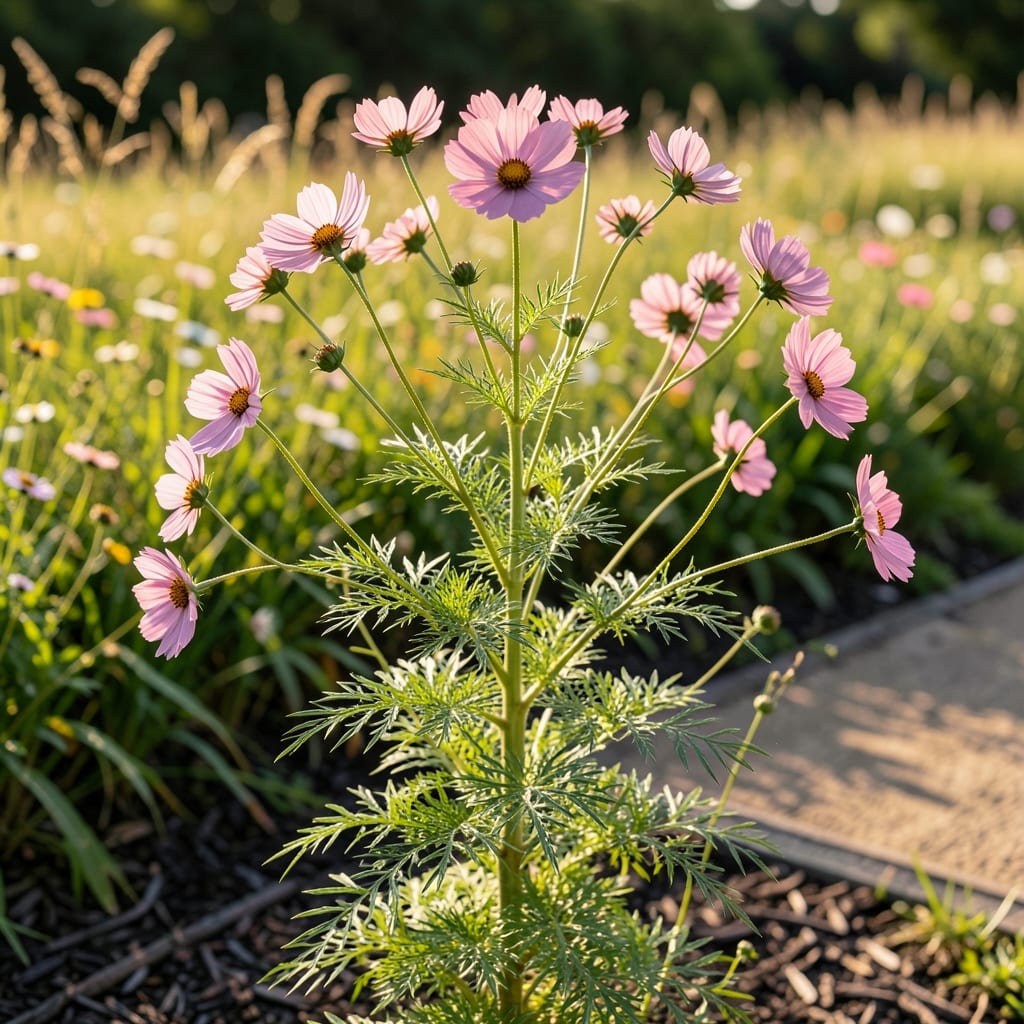
If you’ve ever wondered how tall cosmos grow, the answer might surprise you—these easy-care blooms can stretch from delicate 1-foot dwarfs to towering 6-foot giants, depending on the variety and growing conditions. Whether you're dreaming of a cottage garden border or a dramatic backyard backdrop, cosmos offer versatility that’s hard to beat.
For gardeners in USDA Zone 6a, planting cosmos in April-May sets the stage for their full potential. Some varieties, like the classic Cosmos bipinnatus, reach heights of 3-5 feet, while others, such as Cosmos sulphureus, can soar to 6 feet with the right care. The key? Sunlight, soil, and a little pruning know-how.
In this guide, I’ll break down the exact height ranges for popular cosmos types, share tips to maximize their growth, and help you pick the perfect variety for your space—whether you want a compact display or a sky-high statement. Let’s get growing!
From dwarf cosmos perfect for containers to towering varieties that rival sunflowers, you’ll discover how to nurture these low-maintenance flowers into the stars of your garden. Ready to transform your outdoor space with effortless height and color?

Cosmos height by variety: exact growth charts for sky-high and compact types
When it comes to how tall cosmos grow, the variety makes all the difference. Cosmos flowers are divided into two main species—Cosmos bipinnatus (the classic garden cosmos) and Cosmos sulphureus (the bright orange "seashell" cosmos)—each with dwarf, semi-dwarf, and tall options. Understanding these differences helps you choose the perfect fit for your garden’s layout and style.
For example, Cosmos bipinnatus varieties like ‘Sensation Mixed’ typically reach 3-5 feet tall, making them ideal for mid-height borders. Meanwhile, Cosmos sulphureus can stretch up to 6 feet, rivaling sunflowers in height. The key to unlocking their full potential lies in sunlight exposure, soil quality, and pruning habits.
Below is a detailed cosmos height comparison for popular varieties, including their mature heights, spread, and ideal growing conditions. Whether you’re planning a cut-flower garden or a low-maintenance border, this guide will help you pick the right type for your space.
🌸 Cosmos Height by Variety
| Variety | Mature Height | Spread | Sunlight Needs | Best For |
|---|---|---|---|---|
| Cosmos bipinnatus ‘Sensation Mixed’ | 3–5 ft | 1–2 ft | Full sun | Cut flowers, borders |
| Cosmos bipinnatus ‘Bright Lights’ | 4–6 ft | 1.5–2.5 ft | Full sun | Backdrop, tall arrangements |
| Cosmos sulphureus ‘Bright Orange’ | 5–6 ft | 1–2 ft | Full sun | Drought-tolerant gardens |
| Cosmos bipinnatus ‘Dwarf Mix’ | 1–2 ft | 1 ft | Full sun | Containers, small gardens |
| Cosmos bipinnatus ‘Double Click’ | 3–4 ft | 1.5 ft | Full sun | Cut flowers, bouquets |
If you’re growing cosmos in USDA Zone 6a, planting them in April-May ensures they have enough time to reach their full height before the first frost in late October. The ‘Bright Lights’ variety, for example, can grow up to 6 feet in a single season with proper care, making it a stunning addition to tall flower arrangements.
For compact gardens, dwarf cosmos like ‘Dwarf Mix’ (1–2 feet tall) are perfect for containers or window boxes. These varieties thrive in full sun and require minimal maintenance, making them ideal for beginners. Even in smaller spaces, their vibrant blooms add a pop of color without overwhelming your layout.
One common misconception is that cosmos need rich soil to grow tall. In reality, they prefer well-draining, lean soil and can even thrive in poor-quality soil as long as they receive plenty of sunlight. Over-fertilizing can actually stunt their growth, so a light feeding with a balanced fertilizer (5-10-10) every 4-6 weeks is sufficient.
Sunlight is the most critical factor in determining how tall cosmos grow. While they can tolerate partial shade, they’ll reach their maximum height and produce the most blooms when planted in full sun (6+ hours daily). If you’re in a region with hot summers, providing afternoon shade can prevent wilting while still encouraging strong growth.
For gardeners in containers, choose dwarf varieties like ‘Sensation Mixed’ or ‘
How to maximize cosmos height: pro tips for tallest blooms
Want to coax your cosmos into reaching their maximum height potential? The secret lies in proactive care—not just wishful thinking. Cosmos are self-seeding champions, but their height hinges on three critical factors: soil conditions, watering consistency, and pruning techniques. Let’s dive into the science-backed strategies I’ve used to grow cosmos that rival sunflowers in stature.
First, amend your soil before planting. Cosmos thrive in well-draining, lean soil with a pH between 6.0 and 7.5. Amend heavy clay by mixing in compost or coarse sand to prevent root rot. Over-fertilizing is a common mistake—cosmos are light feeders and prefer nutrient-poor soil. A single application of 5-10-10 balanced fertilizer at planting time is often enough for the season.
Here’s the visual cheat sheet for maximizing cosmos height, straight from my garden notes:
🌱 Pro Tips for Tall Cosmos
- 💧 Water deeply 2-3 times per week during establishment (first 4-6 weeks). Once mature, cosmos are drought-tolerant but need consistent moisture to reach full height.
- ☀️ Plant in full sun (6+ hours daily). Partial shade reduces height by 30-50% and cuts bloom production.
- ✂️ Deadhead regularly to encourage continuous flowering and stronger stems. Snip spent blooms just above a set of leaves.
- 🌿 Stake tall varieties (4+ ft) early to prevent flopping. Use bamboo stakes or tomato cages for support.
- 🌱 Avoid overcrowding. Space plants 12-18 inches apart for optimal airflow and stem strength.
Pruning is where many gardeners miss the mark. Pinch back young cosmos plants when they’re 6-8 inches tall to encourage bushier growth and stronger stems. This simple step can increase mature height by 1-2 feet in some varieties. For ‘Bright Lights’ or ‘Double Click’, I’ve seen heights jump from 4 feet to 6 feet with proper pinching.
Another game-changer? Companion planting. Cosmos pair beautifully with tall grasses like miscanthus or sunflowers, which provide natural support and reduce wind damage. Avoid planting near heavy feeders like tomatoes, which compete for nutrients and stunt growth. In my Zone 6a garden, I’ve noticed cosmos reach their peak height when planted alongside lavender or Russian sage—both drought-tolerant companions.
Timing matters too. If you’re in a shorter growing season, start seeds indoors 4-6 weeks before your last frost date (mid-April for Zone 6a). Transplant seedlings outdoors when soil temps hit 50°F to ensure vigorous early growth. For direct sowing, plant seeds ¼ inch deep in well-warmed soil—they germinate best when soil temps exceed 60°F.
One final pro tip: Harvest strategically. Cutting cosmos for bouquets early in the morning (when stems are hydrated) encourages the plant to produce longer, stronger stems over time. Always leave at least 3-4 sets of leaves on the plant to maintain photosynthesis and fuel growth.