
How To
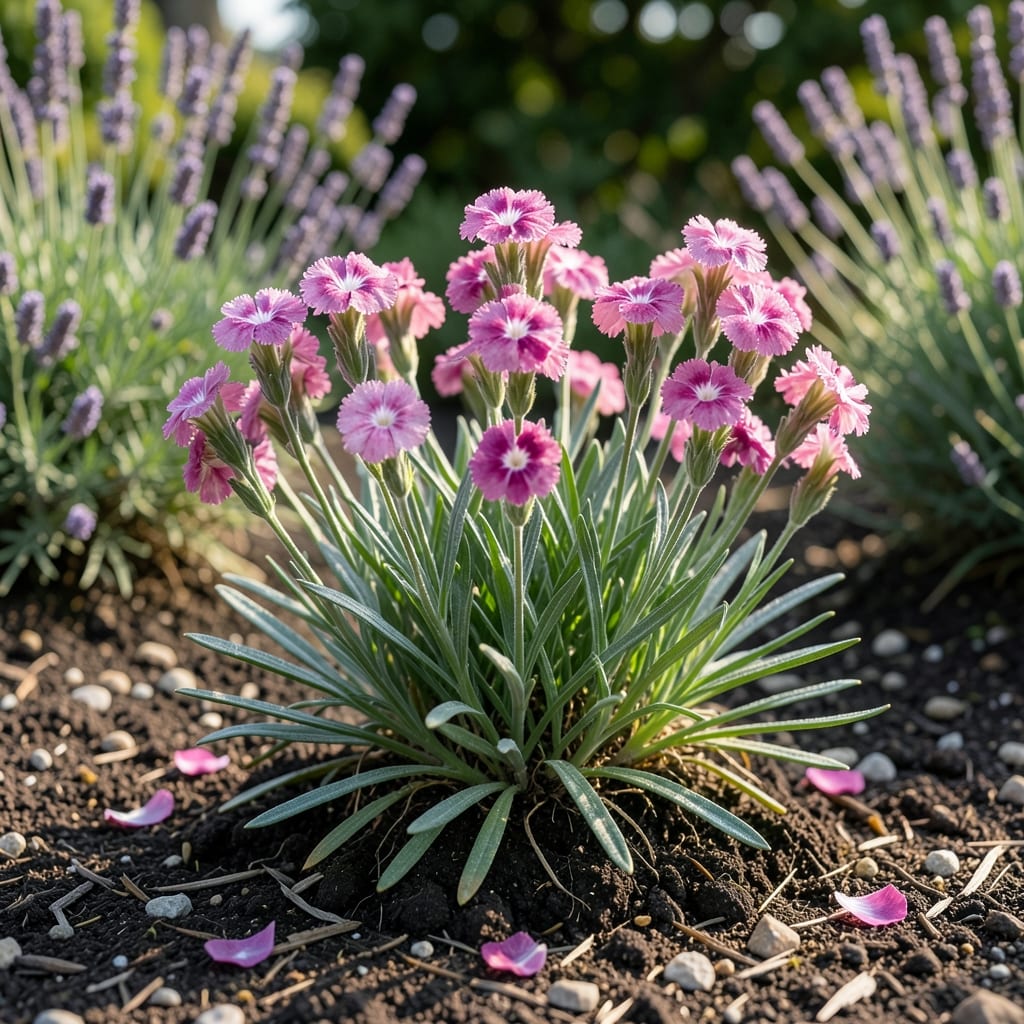
If you’ve ever wondered how tall Dianthus grow in your garden, the answer might surprise you—these delicate 🌸 blooms range from tiny ground covers to striking border plants. Some varieties top out at just 6 inches, perfect for container gardens, while others reach nearly 2 feet, ideal for adding height to flower beds.
But here’s the secret: their height isn’t set in stone. With the right pruning techniques and growing conditions, you can coax your Dianthus to stay compact or let them stretch for dramatic effect. Whether you’re planning a cottage garden or a modern rockery, knowing these height variations will help you place them just right.
In this guide, I’ll break down the exact height ranges for popular Dianthus varieties—from dwarf Sweet Williams to towering Garden Pinks—and share pro tips to control their growth. You’ll learn how sunlight, soil, and even deadheading can influence their size, so you can keep them thriving year after year.
Ready to transform your garden with these versatile flowers? Let’s dive into the heights, habits, and pruning tricks that will give you the perfect Dianthus for your space.


Dianthus height varieties: from ground covers to tall shrubs
Dianthus plants are famous for their clustering blooms and fragrant foliage, but their height can vary dramatically depending on the variety. If you're planning your garden layout, knowing these height ranges will help you choose the perfect Dianthus for your space—whether it's a rock garden, container arrangement, or border planting.
From dwarf varieties that stay under 8 inches to tall border plants reaching nearly 2 feet, Dianthus offers something for every garden style. The key to controlling their height lies in understanding their natural growth habits and how they respond to pruning and care.
Here’s a quick look at the most popular Dianthus varieties and their typical mature heights:
| Variety | Mature Height | Growth Habit | Best For |
|---|---|---|---|
| Dwarf Sweet William (Dianthus barbatus) | 6–12 inches | Compact, bushy | Containers, rock gardens |
| Garden Pinks (Dianthus gratianopolitanus) | 8–16 inches | Spreading, clumping | Ground cover, borders |
| Cheddar Pink (Dianthus gratianopolitanus 'Cheddar Pink') | 10–14 inches | Low-growing, mat-forming | Rockeries, alpine gardens |
| Firewitch (Dianthus 'Firewitch') | 12–18 inches | Upright, bushy | Border plantings, cottage gardens |
| Border Pink (Dianthus plumarius) | 16–24 inches | Tall, clumping | Back of borders, mixed beds |
The Dwarf Sweet William is a favorite for container gardens and window boxes, while the Border Pink adds height and drama to the back of flower beds. If you're working with limited space, Garden Pinks and Cheddar Pink make excellent ground covers, spreading beautifully along slopes or between stepping stones.
One thing to remember: annual Dianthus (like Sweet William) typically stay shorter, while perennial varieties (like Border Pink) can grow taller over time. With proper care, even the tallest varieties can be kept in check through regular pruning and deadheading.
For container gardening, choose dwarf varieties like Firewitch or Cheddar Pink, as they thrive in smaller pots without becoming leggy. If you're planting in full sun conditions, expect slightly taller growth, while partial shade can keep plants more compact.
Pro tip: If you’re unsure which variety to pick, start with Garden Pinks—they’re versatile, drought-tolerant, and adapt well to different garden styles. Their clumping habit makes them easy to maintain, and their fragrant blooms add a lovely sensory element to any space.
Now that you know the height ranges, let’s talk about how to control their growth. Pruning is your best friend when it comes to keeping Dianthus at your desired height—whether you want them to stay short or reach for the sky.
How to control Dianthus height through pruning
Pruning is the secret weapon for keeping your Dianthus at the perfect height—whether you want them to stay compact and bushy or encourage taller, more dramatic growth. The right cuts at the right time can transform leggy plants into lush, flowering powerhouses. Since Dianthus naturally grows in clumps, strategic pruning encourages branching and denser blooms.
Start by understanding the two main types of pruning: deadheading (removing spent flowers) and structural pruning (shaping the plant). Deadheading isn’t just about looks—it redirects the plant’s energy from seed production back into new flower growth, keeping your Dianthus blooming longer. For taller varieties like Border Pink, this can prevent them from becoming top-heavy and floppy.
Here’s my step-by-step guide to pruning Dianthus for ideal height and bushiness:
- Step 1: Deadhead Regularly – Pinch or cut off spent blooms just above a set of healthy leaves using clean, sharp pruning shears. Do this every 1-2 weeks during the blooming season (spring to fall).
- Step 2: Light Structural Pruning – After the first flush of blooms (late spring), trim back 1/3 of the tallest stems to encourage bushier growth. Use sterilized shears to avoid disease.
- Step 3: Summer Thinning – In mid-summer, cut back overly leggy stems to maintain shape. Aim to keep the plant’s height within 2-3 inches of your desired target.
- Step 4: Fall Cleanup – After blooming ends, trim back all stems by half to promote new growth in spring. Remove any dead or diseased foliage to prevent pests.
- Step 5: Winter Preparation – For perennial varieties, lightly prune in early spring to remove winter damage and shape the plant. Avoid heavy cuts—just tidy up the edges.
For container-grown Dianthus, like Dwarf Sweet William, pruning is even more critical. Since pots limit root growth, regular deadheading and light trimming encourage denser foliage and prevent the plant from becoming top-heavy. If you notice stems stretching toward the light (a sign of etiolation), move the container to a sunnier spot and prune the tallest stems immediately.
One common mistake is pruning too late in the season. If you cut back Border Pinks in late summer, you might delay next year’s blooms. Always prune at least 6-8 weeks before your last frost date to allow time for new growth. And remember: sharp, clean tools are a must to prevent disease spread.
Pro tip: If you’re growing Dianthus for cut flowers, let a few stems bloom fully and then cut them back to the base. This encourages a second flush of blooms later in the season—perfect for extending your harvest. With consistent pruning, you’ll have bushier, healthier Dianthus that stay at your ideal height all season long.