
How To
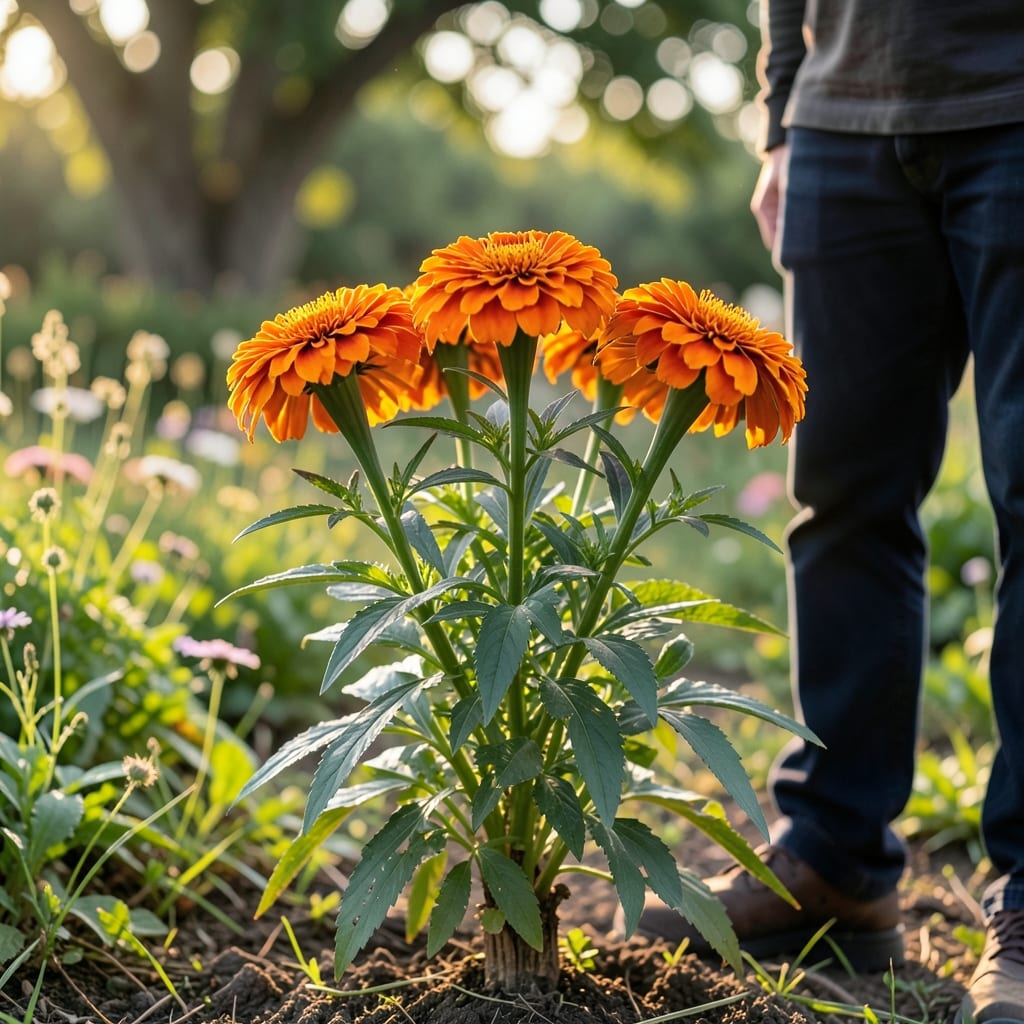
If you're wondering "how tall do African marigolds grow", the answer might surprise you—these vibrant 🌼 beauties can range from compact 8-inch dwarfs to towering 4-foot giants, depending on the variety and growing conditions. That dramatic difference means your garden layout could go from cozy borders to bold focal points with just a few plant choices.
African marigolds (Tagetes erecta) are the showstoppers of summer gardens, but their height isn't set in stone. Some varieties stay neatly under 2 feet, perfect for edging walkways or container gardens, while others stretch toward the sky, making them ideal for cutting flowers or dramatic backdrops. The key to getting the size you want lies in understanding your climate, soil, and which cultivar you choose.
Whether you're working with a small urban patio or a sprawling backyard, knowing these height variations helps you plan for success. I'll break down the most popular varieties, share tips to control their growth, and even suggest the best types for your space—so you can enjoy continuous blooms without the guesswork.
Ready to transform your garden with these versatile flowers? Let's dive into how to pick the perfect African marigold for your vision—whether you want a neat 1-foot border or a tall 4-foot statement piece that turns heads all season long.


African marigold height ranges by variety: compact vs. giant types
African marigolds (Tagetes erecta) come in a stunning range of heights, making them incredibly versatile for gardeners with different space needs. The compact varieties stay under 2 feet, ideal for small gardens or containers, while the tallest cultivars can reach 4 feet or more, perfect for cutting gardens or dramatic backdrops. Choosing the right variety ensures your garden layout looks intentional, whether you want a neat 1-foot border or a towering 3-foot statement.
Height isn’t the only factor to consider—growth habits also vary. Some varieties grow in tight, bushy clumps, while others develop single, sturdy stems with multiple blooms. This difference affects how you’ll use them: bushy types work well for mass planting, while single-stem varieties are great for bouquets. I’ve grown both in my own garden, and the contrast in their final forms is what makes them so exciting to experiment with.
African Marigold Height Comparison
| Variety | Height Range | Best For | Bloom Color |
|---|---|---|---|
| 'Tangerine Gem' | 8-12 inches | Containers, borders | Orange |
| 'Janie' | 12-18 inches | Cut flowers, small gardens | Yellow |
| 'Fireball' | 2-3 feet | Back of beds, bouquets | Orange-red |
| 'Crackerjack' | 3-4 feet | Cutting gardens, focal points | Gold |
| 'Pride of Barbados' | 2-4 feet | Drought-resistant gardens | Orange-yellow |
If you’re working with limited space, the 'Tangerine Gem' or 'Janie' varieties are my top picks—they stay under 18 inches but still produce bright, abundant blooms. These are perfect for window boxes or small pots on patios. I’ve used them to edge my vegetable garden, and they add a pop of color without overwhelming the space.
For larger gardens or if you love cutting flowers, the 'Fireball' and 'Crackerjack' varieties are game-changers. These can reach 3-4 feet tall, making them ideal for the back of flower beds or as standalone specimens. Their long, sturdy stems hold up well in arrangements, and they continue blooming for weeks longer than their shorter counterparts.
The 'Pride of Barbados' is a favorite among gardeners in dry climates because it’s incredibly drought-tolerant while still reaching 2-4 feet. It’s a great choice if you want height without the fuss of constant watering. In my Zone 7 garden, this variety thrives with minimal care and still produces vibrant orange-yellow blooms all season.
One thing to note is that height can vary slightly based on growing conditions. For example, a 'Fireball' might stay closer to 2 feet in partial shade, while in full sun, it could reach 3 feet or more. That’s why I always recommend checking the sunlight requirements for your specific variety and matching them to your garden’s conditions.
For beginners, I’d suggest starting with 2-3 varieties to see what works best in your space. Mix a compact type like 'Tangerine Gem' with a taller variety like 'Fireball' for a layered look. This combination creates visual interest while keeping maintenance manageable. Plus, the height variation adds depth to your garden design, making it look more dynamic and intentional.
🌼
Factors that influence African marigold height (and how to control it)
African marigolds don’t grow to their full potential by accident—their height is shaped by a mix of environmental factors and cultivation choices. If you’ve ever wondered why your 'Fireball' marigolds stayed short or your 'Crackerjack' stretched taller than expected, the answer likely lies in these key variables. Understanding them helps you control growth to match your garden vision, whether you want compact blooms or towering stems for cutting.
Sunlight exposure is the #1 factor determining height. African marigolds thrive in full sun (6+ hours daily), where they’ll reach their maximum size. In my garden, I’ve seen 'Pride of Barbados' grow from 2 feet in partial shade to 3.5 feet when planted in full sun. The extra light triggers elongated stems and more robust growth. If your garden has limited sun, choose dwarf varieties like 'Tangerine Gem'—they’ll stay manageable even with 4-5 hours of light.
5 Key Factors That Shape African Marigold Height
- 🌞 Sunlight: Full sun = taller growth (up to 4 ft); partial shade = compact (under 2 ft)
- 🌱 Soil nutrients: Rich soil = faster vertical growth; poor soil = stunted height
- ✂️ Pruning: Regular pinching = bushier, shorter plants; no pruning = taller stems
- 🪴 Container size: Small pots = dwarf growth (under 18 in); large beds = full height potential
- 💧 Watering: Consistent moisture = steady growth; drought stress = slower height gain
Soil quality plays a surprising role too. African marigolds grow fastest in well-draining, nutrient-rich soil with a pH of 6.0-7.5. I once planted 'Crackerjack' in heavy clay soil and was disappointed when they only reached 2 feet instead of their usual 3-4 feet. Amending the soil with compost and perlite made all the difference in the next planting. For compact growth, use soil with lower nitrogen—this encourages bushier habits rather than rapid vertical growth.
Pruning is another powerful tool to control height. If you want shorter, bushier plants, pinch back the top sets of leaves when they’re about 6 inches tall. This encourages multiple side shoots and keeps the plant from getting leggy. I do this with my 'Janie' marigolds in containers—they stay under 18 inches but produce twice as many blooms as unpruned plants. For cutting gardens, skip pruning to let stems elongate naturally.
Container gardening offers the easiest way to control height. The size of your pot directly limits root growth, which in turn restricts plant height. A 5-gallon container will keep even tall varieties like 'Fireball' under 2 feet, while a whiskey barrel planter (15+ gallons) lets them reach their full 3-foot potential. I’ve used this trick in urban gardens where space is tight—planting 'Crackerjack' in large containers creates dramatic vertical accents without taking up bed space.
Watering habits also affect height development. While African marigolds are drought-tolerant, inconsistent watering can lead to uneven growth—sometimes causing plants to stretch toward moisture sources. For even height development, water deeply but consistently, especially during hot summer months. In my Zone 7 garden, I water containers every 2-3 days and in-ground plants every 5-7 days, which helps maintain predictable growth patterns.
🌱