
Size
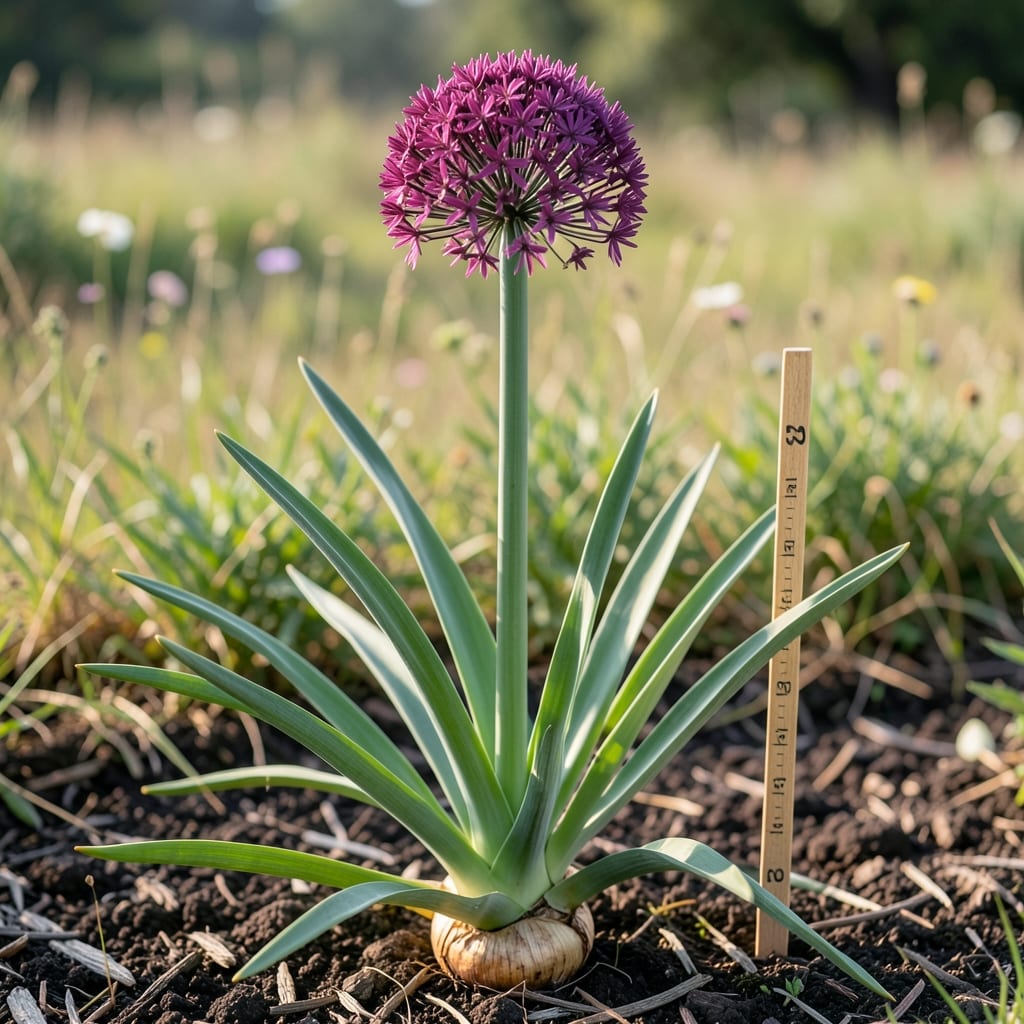
If you’ve ever wondered how tall do alliums grow—whether they’ll stay low and tidy or shoot up like garden skyscrapers—the answer depends entirely on the variety you’re growing. From delicate 6-inch blooms that add texture to borders to towering 5-foot giants that steal the show, alliums offer a dramatic range of heights, making them a gardener’s secret weapon for vertical interest.
Most gardeners assume alliums follow a one-size-fits-all height rule, but the truth is far more exciting. Some varieties, like the graceful Allium schubertii, top out at just 18–24 inches, perfect for edging pathways or filling containers, while others, such as the bold Allium giganteum, reach 4–5 feet and demand their own space in the back of perennial beds.
Understanding these height differences isn’t just about aesthetics—it’s the key to creating a balanced garden. Tall alliums can provide stunning backdrops, while shorter types add layers without overwhelming smaller plants. Whether you’re designing a cutting garden or a low-maintenance border, knowing how tall your alliums will grow helps you plan companion plants and spacing for a cohesive, eye-catching display.
Ready to transform your garden with alliums? Let’s break down 12 varieties and their exact height ranges, plus practical tips for placing them so your garden looks intentional (and not like a botanical free-for-all).


Allium height ranges by variety: from dwarf to giant
Alliums are one of the most versatile ornamental plants in gardens, offering height diversity that can transform your landscape. Whether you're designing a low-border garden or creating dramatic vertical accents, choosing the right variety ensures your alliums thrive without overcrowding. The mature height of alliums ranges from 6 inches to 5 feet, with some varieties even exceeding expectations in ideal conditions.
Understanding these height variations helps you plan plant spacing, companion plantings, and even container arrangements. For example, a 6-inch allium like Allium roseum works beautifully in rock gardens, while a 5-foot giant like Allium giganteum can serve as a stunning focal point. Let’s explore the exact height ranges of 12 popular allium varieties and how they fit into your garden design.
| Variety | Mature Height | Foliage Spread | Ideal Spacing | Best For |
|---|---|---|---|---|
| Allium roseum | 6–12 inches | 6–12 inches | 4–6 inches apart | Rock gardens, borders |
| Allium schubertii | 18–24 inches | 12–18 inches | 8–12 inches apart | Perennial beds, cottage gardens |
| Allium cristophii | 24–30 inches | 12–18 inches | 10–12 inches apart | Cut flowers, mixed borders |
| Allium moly | 12–18 inches | 8–12 inches | 6–8 inches apart | Pollinator gardens, containers |
| Allium giganteum | 4–5 feet | 18–24 inches | 18–24 inches apart | Back of borders, focal points |
| Allium sphaerocephalon | 24–36 inches | 12–18 inches | 10–12 inches apart | Dry gardens, meadows |
| Allium karataviense | 30–36 inches | 12–18 inches | 12–16 inches apart | Cut flowers, cottage gardens |
| Allium senescens | 36–48 inches | 18–24 inches | 16–20 inches apart | Wildflower gardens, prairies |
| Allium aflatunense | 24–30 inches |
How Allium height affects garden design & spacingWhen planning your garden, allium height isn’t just about aesthetics—it’s the foundation of a balanced, thriving space. Tall alliums like Allium giganteum (4–5 feet) demand back-of-border placement, while dwarf varieties such as Allium roseum (6–12 inches) shine in rock gardens or containers. The key is layering: Use tall alliums as vertical accents behind shorter perennials like Echinacea or Rudbeckia, and tuck compact varieties into gaps between stepping stones or along pathways. Proper spacing between alliums prevents overcrowding and ensures each plant gets enough sunlight and nutrients. For example, Allium senescens (36–48 inches) needs 16–20 inches of space, while Allium moly (12–18 inches) thrives just 6–8 inches apart. Skimping on space can lead to stunted growth or disease spread, so always follow the ideal spacing guidelines in our table above. Here’s how to use allium heights to elevate your garden design:
For container gardens, combine alliums with complementary plants to maximize space. A 12-inch pot can hold 3–5 Allium roseum bulbs alongside Dianthus or Iberis, while a 18-inch pot can accommodate 1–2 Allium schubertii paired with Catmint or Ornamental Grass. The trick? Match foliage textures—spiky alliums contrast beautifully with soft, rounded leaves. One common mistake is overestimating allium height in small spaces. If your garden is under 4 feet deep, skip the giants like Allium giganteum and opt for semi-dwarf varieties (1–2 feet) instead. This ensures your alliums won’t overwhelm other plants or block sunlight from shorter neighbors. Pro tip: Stake tall alliums early (before flowering) to prevent wind damage or stem bending. Use bamboo stakes or decorative garden twine for a natural look. This is especially important in windy climates or when planting alliums near driveways or walkways where they might get knocked over. By leveraging allium height variations, you can create depth, structure, and seasonal interest in any garden—whether you’re a beginner gardener or a design pro. Start small with a few varieties, observe how they grow, and gradually build your allium collection for a show-stopping display every spring. |