
Flowers
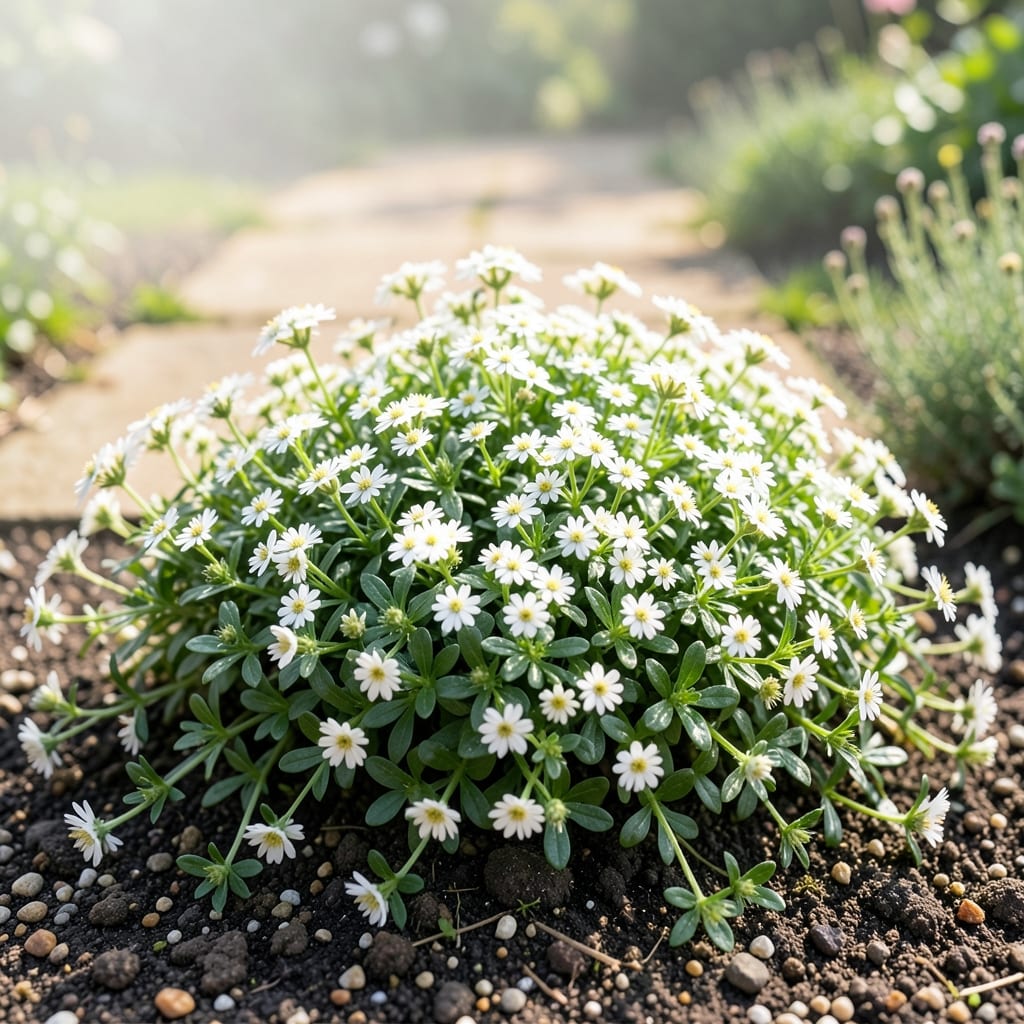
If you're wondering how tall do alyssum grow, the answer might surprise you—these dainty 🌸 blooms pack a punch in tiny spaces, typically reaching just 3 to 6 inches at maturity. That makes them perfect for edging garden beds, spilling over containers, or adding delicate texture to borders without overwhelming taller plants.
What sets alyssum apart isn’t just its height but its versatility—whether you’re planting in USDA Zone 6a or containers, these low-growing beauties thrive with minimal fuss. The key to keeping them compact lies in choosing the right variety and giving them proper spacing, which we’ll cover next to ensure your alyssum stays lush and full.
From dwarf varieties that barely peek above 3 inches to slightly taller trailing types reaching 6 inches, alyssum’s height makes it a gardener’s secret weapon for filling gaps or softening edges. Whether you’re framing a walkway or adding fragrance to a hanging basket, their petite size lets you get creative without sacrificing impact.
Ready to transform your garden with these easy-care blooms? Let’s dive into how to maximize their height potential—and why their compact stature might just be their best feature.

Alyssum height by variety: dwarf vs. standard types (with exact measurements)
Alyssum’s compact stature is one of its biggest charms, but not all varieties grow the same height. Most stay between 3 to 6 inches tall, but some dwarf types barely reach 2 inches, while trailing varieties can stretch up to 8 inches when left unchecked. Choosing the right variety ensures your garden stays neat and intentional—whether you’re framing a walkway or filling a container.
The key to maximizing alyssum’s height potential lies in selecting the right cultivar for your needs. For example, 'Tiny Tuffet' stays under 3 inches, making it ideal for edging, while 'Queen of Sheba' can trail up to 6 inches, perfect for cascading over container edges. Let’s break down the most popular types and their mature heights to help you plan your garden layout.
🌸
| Variety | Growth Habit | Mature Height | Best For |
|---|---|---|---|
| 'Tiny Tuffet' | Mounding | 2–3 inches | Edging, borders |
| 'Snow Crystal' | Mounding | 3–5 inches | Containers, rock gardens |
| 'Queen of Sheba' | Trailing | 5–8 inches | Hanging baskets, spillers |
| 'Easter Bonnet' | Mounding | 4–6 inches | Spring borders, edging |
| 'Pink Velvet' | Trailing | 6–10 inches | Cascading containers, mixed borders |
When planning your garden, consider how spacing affects height. For mounding varieties like 'Tiny Tuffet', plant them 6 inches apart to prevent overcrowding, which can stunt growth. Trailing types like 'Queen of Sheba' need 8–12 inches apart to sprawl without competing for sunlight, ensuring they reach their full 5–8 inch potential.
If you’re using alyssum in containers or hanging baskets, choose trailing varieties to create a waterfall effect. These types naturally grow taller when given support, but their 6–10 inch height keeps them manageable. Pair them with taller plants like petunias or lobelia to create a layered look without overwhelming the space.
For edging or borders, stick to mounding varieties like 'Snow Crystal' or 'Easter Bonnet'. Their 3–6 inch height creates a clean, uniform line that softens the edges of garden beds. Plant them in a single row with 6–8 inches between plants to maintain their compact shape and encourage bushier growth.
One common mistake gardeners make is assuming all alyssum grows the same height. Over-fertilizing or poor spacing can cause leggy growth, pushing some varieties beyond their ideal 6-inch limit. To keep them tidy, focus on balanced care—light feeding, proper spacing, and regular pinching to encourage fullness.
🌿
How to control alyssum height: pruning, pinching, and spacing tips for compact growth
Keeping your alyssum at its ideal 3–6 inch height is easier than you think—it just takes a little strategic care. The secret lies in pinching back stems early in the season to encourage bushier growth. When seedlings reach about 2–3 inches tall, snip off the top set of leaves with clean pruners or even your fingers. This trick tells the plant to branch out instead of stretching upward, keeping it compact and full.
Regular deadheading spent blooms also prevents legginess. Remove faded flowers by pinching them off at the base—this redirects the plant’s energy into producing more blooms rather than tall, sparse stems. Aim to deadhead every 1–2 weeks during peak blooming season (spring to fall) to maintain that perfect 4–6 inch height for edging or containers.
🌿
- Overcrowding: Planting too close (less than 6 inches apart) forces alyssum to compete for sunlight, stretching stems to 8+ inches.
- Too much fertilizer: Heavy feeding promotes rapid growth but weak stems, causing plants to flop or grow leggy.
- Poor sunlight: Alyssum needs 6+ hours of sun daily—less causes etiolated (tall, weak) growth.
Spacing is another game-changer for height control. For mounding varieties like 'Snow Crystal', space plants 6–8 inches apart in garden beds. This gives roots room to establish without competing, resulting in a 3–5 inch compact mat. Trailing types like 'Queen of Sheba' need 10–12 inches apart to sprawl naturally at 5–8 inches—any closer and they’ll stretch taller trying to escape competition.
In containers or hanging baskets, choose trailing varieties but limit their height by pruning stems that exceed 6 inches. Use a lightweight potting mix with perlite to prevent root-bound stress, which can stunt growth. For edging, stick to dwarf types like 'Tiny Tuffet' planted in a single row with 6-inch spacing—this creates a uniform 2–3 inch border that stays tidy all season.
One pro tip: If your alyssum starts looking leggy mid-season, give it a light trim by cutting back all stems to 3–4 inches tall. This rejuvenates growth, encourages new blooms, and resets the plant’s height to its ideal range. Just avoid heavy pruning after mid-summer, as this can delay fall blooms.
With these simple techniques, you’ll keep your alyssum’s height perfectly in check—whether you’re framing a walkway, filling a container, or creating a fragrant border. The key is consistency: pinch early, space properly, and deadhead regularly to enjoy those compact, lush blooms all season long.
🪴