
Flowers
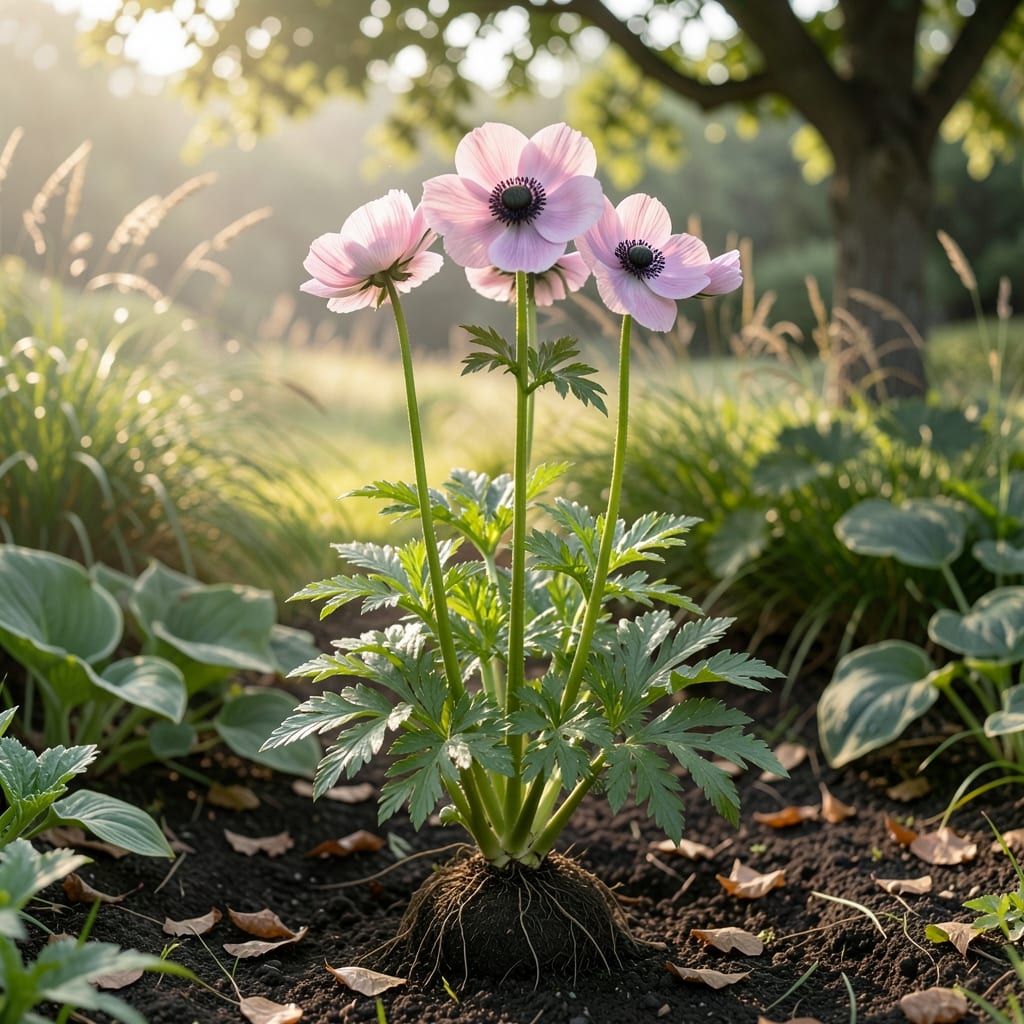
If you’ve ever wondered how tall do anemone flowers grow, the answer might surprise you—these delicate 🌸 blooms can range from petite border plants to towering garden stars, depending on the variety. Some stay compact at just 1-2 feet, perfect for edging paths, while others stretch up to 4 feet, making them ideal for dramatic backdrops in mixed beds.
What’s even more interesting is how their height evolves over time. In their first year, anemones often start small, but by their third season, they can nearly double in stature. This growth pattern means your garden layout might need adjustments as they mature—something I’ve learned the hard way when placing them too close to shorter perennials!
But here’s the game-changer: where you plant them makes all the difference. Sunlight, soil quality, and even pruning habits can tweak their final height. Whether you’re designing a cottage garden or a modern landscape, knowing these specifics helps you position them for maximum impact—without sacrificing space or style.
Ready to make the most of your anemones? I’ll break down the exact height ranges by type, plus pro tips for spacing and support so your garden thrives. Let’s get started!

Anemone flower height ranges by type: dwarf to towering varieties
Anemones come in a stunning range of heights, from dwarf varieties perfect for borders to tall hybrids that anchor the back of your garden. Understanding these differences helps you choose the right type for your space and design goals. For example, Japanese anemones (Anemone hupehensis) often reach their mature height of 3-4 feet by their third year, while De Caen anemones (Anemone coronaria) stay compact at just 1-2 feet—ideal for containers or edging.
The height of your anemones isn’t set in stone, though. Factors like sunlight exposure, soil fertility, and pruning habits can push them taller or keep them shorter. In my own garden, I’ve seen Hybrid anemones stretch to 4 feet in full sun, while the same variety in partial shade maxed out at 2.5 feet. This flexibility makes them adaptable, but it also means planning ahead is key.
Here’s where things get interesting: Windflower anemones (Anemone nemorosa), native to European woodlands, typically grow just 8-12 inches tall, making them perfect for woodland gardens or naturalized areas. Meanwhile, tall garden anemones (Anemone × hybrida) can soar to 4 feet, providing a dramatic backdrop for roses or delphiniums. The key is matching the variety to your garden’s vertical layers.
When planning your garden, think about vertical layers. Tall anemones like Japanese varieties work beautifully behind shorter perennials such as coreopsis or black-eyed Susans. Their late-season blooms (August to October) add height when many other plants have faded, extending your garden’s season. I’ve also noticed that dwarf anemones pair well with ajuga or heuchera in shade gardens, where their height keeps them from getting lost.
One mistake I’ve seen gardeners make is planting tall anemones too close together. Crowding can lead to leggy stems and fewer blooms, as the plants compete for nutrients. For Japanese anemones, spacing them 2-3 feet apart gives them room to establish strong root systems and support their height naturally. If you’re growing them in containers, choose dwarf varieties or prune regularly to control their size.
Another pro tip: Prune leggy stems in early summer to encourage bushier growth. I’ve found that cutting back overly tall stems by one-third promotes more side shoots, which can actually increase bloom density while keeping the plant’s overall height in check. This technique works especially well for Hybrid anemones, which can get top-heavy without support.
If you’re unsure which variety to choose, start with a mix of heights. For example, plant Windflower anemones in the front of a shady border, De Caen anemones in containers along a patio, and Japanese anemones at the back of a mixed bed. This creates a dynamic visual flow while showcasing the range of heights these flowers offer.
Remember, anemones are perennials, so their height will evolve over time. In their first year, they may only reach half their mature height, but by year three, they’ll fill out completely. Patience pays off—especially when you see those delicate blooms rising above your garden like ethereal lanterns.
🌸
Best planting spots for anemones based on height and garden style
Choosing the right spot for your anemones isn’t just about aesthetics—it’s about maximizing their natural height while creating a balanced garden structure. Tall varieties like Japanese anemones thrive as backdrop plants, while dwarf types shine in border fronts or containers. For example, I’ve placed 4-foot-tall Hybrid anemones behind roses in my garden, where their late-season blooms add drama when other perennials fade. This vertical layering creates depth and keeps your garden looking lush from spring through fall.
If you’re working with limited space, De Caen anemones (1-2 feet tall) are perfect for patio containers or rock gardens. Their compact size makes them ideal for edging walkways or spilling over hanging baskets. I’ve even tucked them into window boxes alongside sweet alyssum for a cascading effect. The key is matching their height to the space—never let them get lost in the crowd!
🌿 Planting Spots by Anemone Height
- 🌱 Dwarf Anemones (8-12 in) – Front of borders, containers, rock gardens, woodland areas
- 🌿 Semi-Dwarf Anemones (1-2 ft) – Edging, mixed borders, patio pots, cottage garden fronts
- 🌳 Medium Anemones (2-3 ft) – Mid-height mixed beds, behind shorter perennials, cut-flower gardens
- 🌸 Tall Anemones (3-4 ft) – Back of borders, behind shrubs, as backdrop plants, cottage garden backdrops
Pro Tip: Pair tall anemones with grasses or ornamental shrubs to soften their height naturally.
For seasonal color coordination, consider planting anemones alongside early bloomers like bleeding hearts or lungwort, which provide foliage interest before their late-summer flowers emerge. I’ve also found that Windflower anemones (8-12 inches) naturalize beautifully under deciduous trees, where they thrive in dappled shade. Their delicate blooms contrast stunningly with hostas or ferns, creating a woodland garden feel.
One of my favorite garden style hacks is using anemones to bridge seasons. Since they bloom from late summer to fall, they fill gaps when many other flowers have finished. For example, I’ve combined Japanese anemones with sedum and chrysanthemums for a long-lasting autumn display. This strategy ensures your garden stays vibrant well into October, even after summer’s heat.
When planting tall varieties, avoid placing them near overhead power lines or structures where they could outgrow their space. I once made the mistake of tucking a 4-foot Hybrid anemone too close to a mailbox, and by year three, it was leaning dangerously! Always leave 2-3 feet of clearance behind tall anemones to prevent crowding and ensure they grow upright. If space is tight, opt for dwarf or semi-dwarf varieties instead.
Finally, think about soil and sunlight when selecting a spot. Most anemones prefer partial shade (4-6 hours of sun), but Japanese varieties can handle morning sun in cooler climates. Amend heavy clay soil with compost to improve drainage—anemones hate soggy roots. With the right conditions, your anemones will reward you with years of effortless beauty, no matter where you plant them.
🌻