
How To
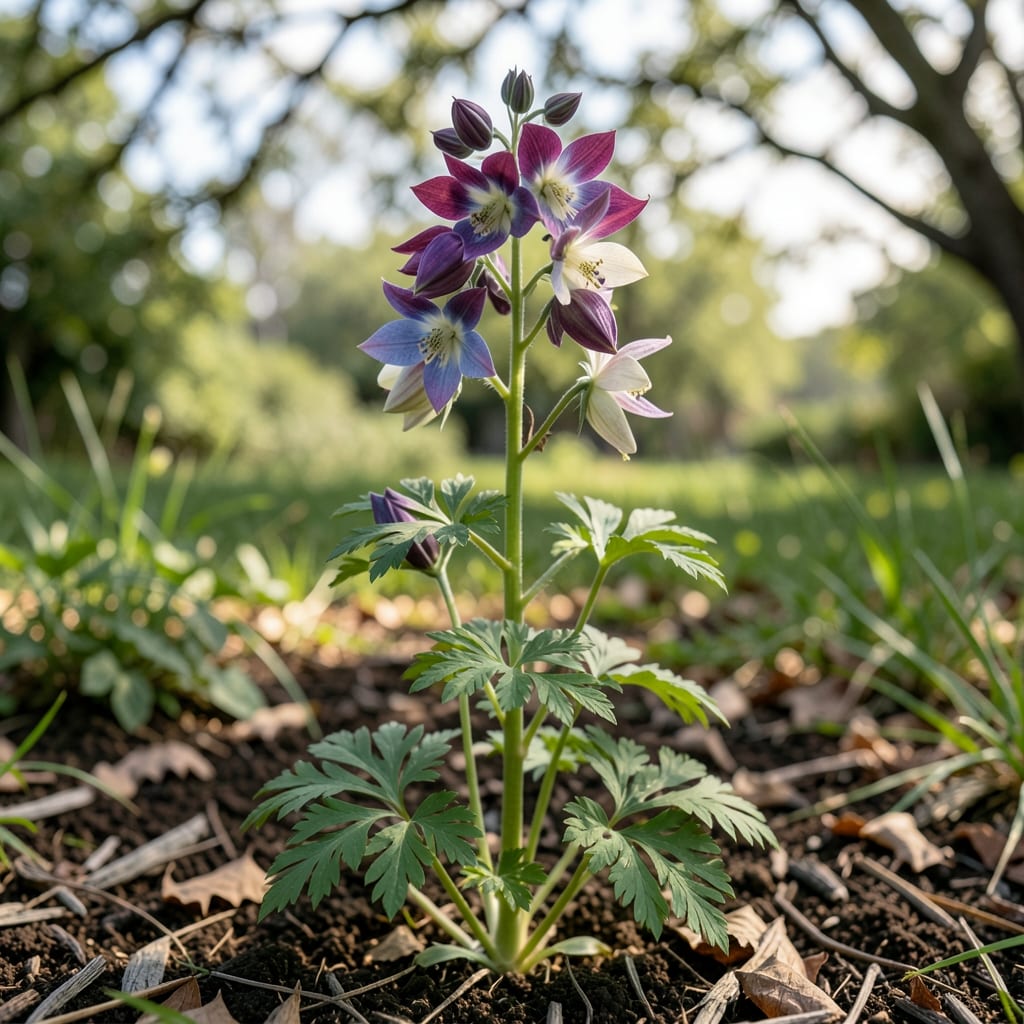
If you're planning your garden and wondering how tall do aquilegia grow, you're about to discover a delightful surprise—these charming 🌸 columbine flowers come in sizes that can perfectly fit any space, from cozy borders to bold backdrops.
Columbine heights vary dramatically by species, with some varieties barely reaching your knees at 12 inches, while others stretch nearly 4 feet tall. Whether you're designing a woodland garden or a sunny cottage border, there's an aquilegia perfect for your vision. The key is understanding which species thrive in your USDA Zone 6a climate and how their growth habits change with sunlight and soil.
Planting columbine in spring or early fall gives them the best start, but their mature height depends on more than just timing. Dwarf varieties like Aquilegia vulgaris stay compact, while taller types like Aquilegia formosa reach their full 36-48 inch potential with proper care. I'll show you how to choose the right height for your garden layout and keep them blooming beautifully year after year.
Ready to transform your garden? Let's explore how to select, plant, and maintain columbine at the perfect height for your space—so you can enjoy their vibrant blooms without the guesswork.


Aquilegia height variations by species: from short to stunning tall
Aquilegia, or columbine, is one of nature's most versatile garden plants when it comes to height variations. Whether you're designing a woodland garden or a bright border, selecting the right species ensures your space stays balanced and visually appealing. The mature height of aquilegia can range from as short as 12 inches to as tall as 48 inches, making them adaptable to nearly any garden design.
Understanding these variations helps you choose plants that complement your existing landscape. For example, Aquilegia canadensis stays low and bushy, perfect for foreground planting, while Aquilegia formosa reaches dramatic heights, ideal for backdrop accents. Let’s explore the most popular species and their typical growth ranges to help you decide which will thrive in your garden.
🌱 Columbine Height Guide by Species
| Species | Mature Height | Growth Habit | Best For |
|---|---|---|---|
| Aquilegia vulgaris | 12–18 inches | Compact, bushy | Borders, containers, rock gardens |
| Aquilegia canadensis | 18–24 inches | Clumping, spreading | Woodland gardens, shade areas |
| Aquilegia formosa | 36–48 inches | Tall, upright | Backdrop plants, cottage gardens |
| Aquilegia chrysantha | 12–16 inches | Low-growing, sprawling | Ground cover, alpine gardens |
| Aquilegia flabellata | 24–36 inches | Semi-upright, spreading | Perennial borders, mixed beds |
The height differences among these species aren’t just about aesthetics—they also influence how you should space your plants. For instance, Aquilegia formosa, which can grow up to 4 feet tall, needs more room to avoid crowding other plants, while Aquilegia vulgaris thrives in tight clusters. In my own garden, I’ve found that spacing taller varieties 18–24 inches apart prevents competition for nutrients and sunlight.
Another factor to consider is how sunlight exposure affects height. While most aquilegia prefer partial shade, some taller varieties like Aquilegia formosa can handle more sunlight, which may encourage slightly greater height. However, too much direct sun can cause bolting—where plants grow leggy and tall in an attempt to reach shade—so always monitor their environment.
If you're growing aquilegia in containers, choose dwarf varieties like Aquilegia chrysantha or Aquilegia vulgaris to keep them manageable. These compact types are perfect for balcony gardens or small patios, where space is limited. Just ensure your container has adequate drainage to prevent root rot, which can stunt growth and reduce overall height.
For those in USDA Zone 6a, where winters can be harsh, selecting cold-hardy species like Aquilegia canadensis ensures your plants return year after year without height loss. These perennials establish strong root systems, allowing them to rebound quickly in spring. In contrast, some taller varieties may need staking or support in windy areas to maintain their upright form.
One of my favorite tips for encouraging optimal height is to deadhead spent blooms regularly. This practice redirects the plant’s energy toward producing more flowers rather than setting seed, which can sometimes lead to unexpected height spikes. Pruning back leggy stems in early spring also helps maintain a neat, bushy shape, especially in taller varieties.
Whether you're aiming for a whimsical cottage garden or a structured perennial border, aquilegia’s height variations give you endless possibilities. By matching the right species to your space and care needs, you’ll enjoy vibrant blooms that perfectly fit your garden’s vision—without the guesswork.
How to choose Aquilegia height for your garden design
Selecting the right aquilegia height for your garden isn't just about aesthetics—it's about creating a harmonious layout that maximizes both beauty and functionality. Taller varieties like Aquilegia formosa (36-48 inches) make stunning backdrop plants, while shorter types like Aquilegia vulgaris (12-18 inches) shine in foreground borders or containers. The key is matching each variety to its ideal placement based on your garden's light conditions and design goals.
For woodland gardens or shaded areas, I always reach for Aquilegia canadensis (18-24 inches) or Aquilegia flabellata (24-36 inches). These varieties thrive in partial shade where taller plants might struggle, creating lush, layered foliage that attracts hummingbirds and butterflies. In sunnier spots, taller aquilegia like Aquilegia formosa can handle more light, but always provide afternoon shade to prevent bolting—those leggy growth spurts that make plants look unruly.
🌱 Height-Based Planting Guide
- 12-18" (Aquilegia vulgaris): Containers, rock gardens, or front borders (12-18" spacing)
- 18-24" (Aquilegia canadensis): Woodland edges, shade gardens (18" spacing)
- 24-36" (Aquilegia flabellata): Mixed borders, perennial beds (24" spacing)
- 36-48" (Aquilegia formosa): Backdrop plants, cottage gardens (36" spacing)
When designing with containers, dwarf varieties are your best friends. Aquilegia chrysantha (12-16 inches) thrives in 10-12 inch pots, making it perfect for balcony gardens or patio displays. Pair it with trailing plants like Lobelia or Sweet Alyssum to create a cascading effect. For larger containers (18+ inches), semi-dwarf varieties like Aquilegia flabellata add vertical interest without overwhelming smaller spaces.
Another pro tip: Use companion planting to highlight height differences. Tall aquilegia pairs beautifully with low-growing Heuchera or Ajuga, while medium-height varieties complement Delphinium or Foxgloves. In my own garden, I've found that placing Aquilegia formosa behind Rudbeckia creates a stunning season-long display—the columbine blooms early spring, while the coneflowers take over in summer.
For cut flower arrangements, taller varieties like Aquilegia formosa provide dramatic height, while shorter types add texture. Always harvest stems early in the morning when blooms are fully open, and include a few leaves to encourage regrowth. In my experience, cutting back 1/3 of the foliage after flowering promotes bushier growth the following year, ensuring your aquilegia maintain their ideal height for years to come.
Remember that soil quality plays a surprising role in height control. Well-draining, slightly alkaline soil (pH 6.5-7.5) helps prevent leggy growth, while heavy clay can stunt even the tallest varieties. Amend your soil with compost before planting to give all aquilegia the nutrients they need to reach their genetic potential without overreaching. With the right placement and care, your columbine will grow to their perfect height—adding color and charm to your garden just as you envisioned.