
Trees
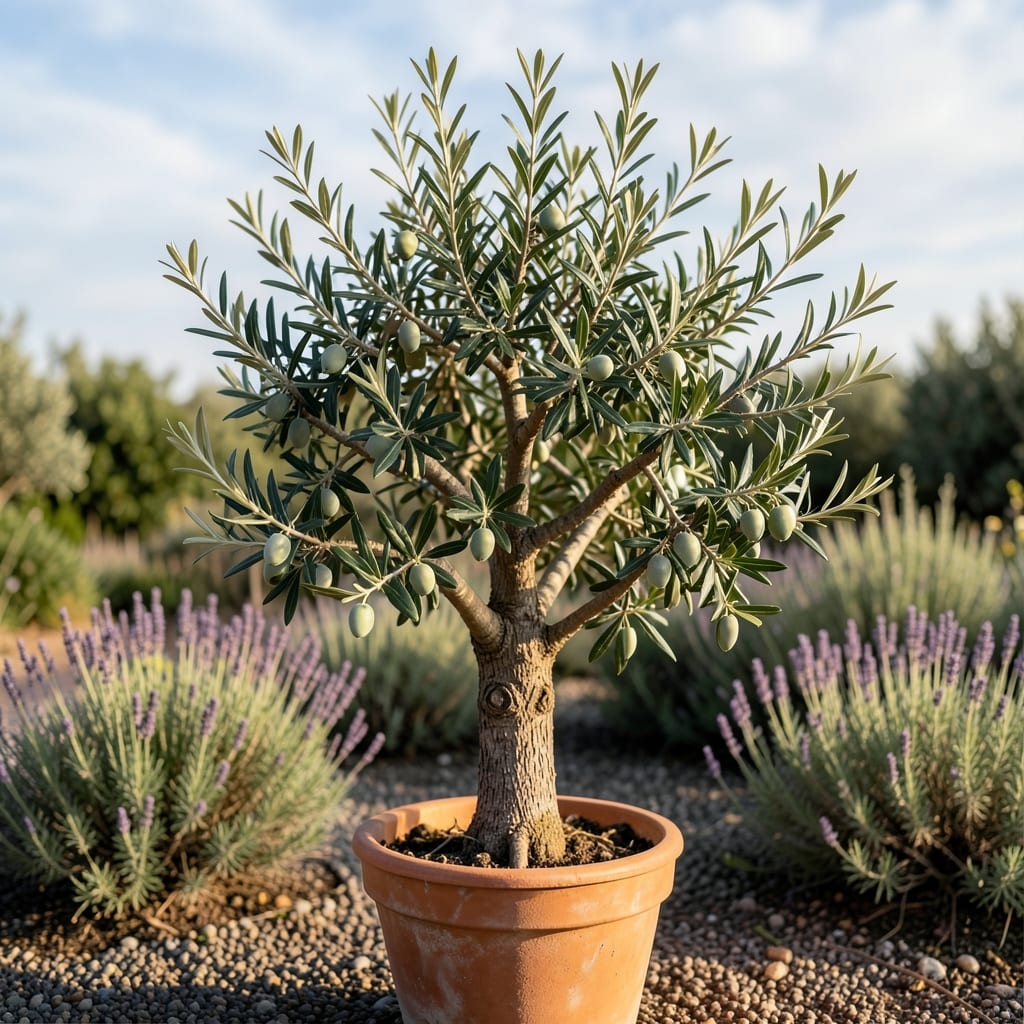
Arbequina olive tree height: mature size, growth rate, and space requirements
When I first planted my Arbequina olive tree, I was surprised by how quickly it grew—yet stayed surprisingly compact. Unlike its larger cousins, this variety typically reaches a mature height of 8–15 feet (2.5–4.5 meters), making it ideal for home gardens where space is limited. That’s about the height of a basketball hoop or slightly taller, depending on growing conditions.
The key to managing its size lies in understanding its growth rate and how environmental factors influence it. Arbequinas grow about 12–24 inches per year under optimal conditions, but this can slow to just 6–12 inches annually in cooler climates or with less sunlight. Pruning plays a huge role here—regular trimming can keep it even shorter, while neglect can lead to a taller, less manageable tree.
Here’s the critical summary-table breaking down Arbequina’s height at different stages and how to plan your garden space accordingly:
| Stage | Height Range | Spacing Needs | Growth Rate |
|---|---|---|---|
| Year 1 | 1–2 ft (0.3–0.6 m) | Container or small pot | 12–24 in/year |
| Year 3 | 6–8 ft (1.8–2.4 m) | 6–8 ft from structures | 12–24 in/year |
| Mature (5+ years) | 8–15 ft (2.5–4.5 m) | 10–15 ft between trees | 6–12 in/year (slower) |
| Dwarf Varieties | 6–10 ft (1.8–3 m) | 4–6 ft from structures | Same as standard |
For small gardens or urban spaces, dwarf Arbequina varieties are a game-changer. These stay between 6–10 feet tall and thrive in large containers (20+ gallons), making them perfect for patios or balconies. Just ensure the container has drainage holes to prevent root rot—a common issue with olive trees.
One factor that often surprises new growers is how pruning affects height. Regular pruning can keep an Arbequina at 6 feet or less, while minimal pruning may let it reach its full 15-foot potential. I’ve seen trees in Mediterranean climates grow faster due to longer growing seasons, while those in USDA Zones 8–10 (like California or Florida) thrive with consistent growth.
If you’re planting multiple trees, remember the spacing rules: 10–15 feet apart for standard varieties and 6–8 feet for dwarf types. This ensures airflow, reduces disease risk, and prevents root competition. In my own garden, I spaced mine 8 feet apart and still have room for other Mediterranean plants like rosemary and lavender.
Another pro tip: Arbequinas respond well to container growing. If you’re limited by space, a 30-gallon pot can support a mature tree for years, though you’ll need to repot every 3–5 years to accommodate root growth. Just use a well-draining potting mix with perlite or sand to mimic Mediterranean soil conditions.
Finally, don’t overlook the role of climate and sunlight. Arbequinas need full sun (6+ hours daily) to reach their full height potential. In shadier conditions, they’ll grow slower and may stay shorter, which can be an advantage if you’re working with limited space. I’ve seen trees in partial shade max out at 10 feet instead of 15.
Now that you know the height ranges, you can plan your olive grove with confidence—whether you’re dreaming of a tall, traditional tree or a compact patio centerpiece. The key is balancing natural growth with smart pruning and spacing. Ready to get started? Let’s talk about how to keep your Arbequina at your ideal height in the next section!
How to control Arbequina olive tree height: pruning tips for small gardens
Pruning is the secret weapon for keeping your Arbequina olive tree at your ideal height—whether you want it as a 6-foot patio tree or a 10-foot focal point. Unlike fast-growing trees, olive trees respond well to pruning year-round (with best results in late winter or early spring), but timing and technique make all the difference. I’ve found that light, regular pruning encourages bushier growth, while heavy cuts can stunt it or invite disease.
Start by removing dead, diseased, or crossing branches first—this keeps your tree healthy and prevents future issues. Next, focus on structural shaping to control height. For a compact tree, aim to prune 1/3 of new growth annually. This slows vertical growth while encouraging a fuller canopy. I prune my Arbequina in three stages: first to shape, then to remove suckers, and finally to thin out crowded branches.
Here’s a step-list of my go-to pruning steps for managing height in small spaces:
- 🌱 Choose the right time: Prune in late winter (Feb-Mar) before new growth starts or summer (Jun-Jul) to avoid frost damage.
- ✂️ Use sharp tools: Sterilize pruners with rubbing alcohol to prevent bacterial spread. Bypass pruners work best for clean cuts.
- 🌿 Remove vertical leaders: Cut back upward-growing branches to redirect energy into lateral growth (horizontal branches).
- 📏 Target height zones: For a 6-foot tree, prune the topmost branches back to 6 feet in early spring.
- 🚫 Avoid over-pruning: Never remove more than 25% of foliage at once—this stresses the tree and slows recovery.
- 💧 Water after pruning: Give your tree a deep watering to help it recover, especially in hot climates.
- 🌳 Shape for airflow: Thin out inner branches to improve sunlight penetration and reduce disease risk.
One common mistake I see is pruning too late in the season, which can encourage new growth that won’t harden off before winter. If you’re in USDA Zone 9 or 10, you can prune lightly in fall (Oct-Nov), but avoid heavy cuts. Another pitfall is pruning at the wrong angle—always cut just above a bud or branch collar to promote healing and prevent disease entry.
For container-grown Arbequinas, pruning is even more critical since roots are confined. I prune mine twice a year: once in spring to shape and again in summer to control height. If you notice your tree growing too tall for its pot, it’s time to prune aggressively and consider repotting into a larger container (up to 30 gallons for mature trees). Just remember: smaller pots = slower growth, so choose your container size wisely.
Pro tip: Use pruning paste on larger cuts (over 1 inch in diameter) to seal wounds and prevent fungal infections. I also recommend disinfecting tools between cuts if your tree shows signs of verticillium wilt (a common olive tree disease). And if you’re growing multiple trees, prune them in rotation over a few weeks to avoid shocking the entire grove at once.
Finally, don’t forget that Arbequinas fruit on old wood, so avoid heavy pruning of bearing branches. If you’re growing for olives, limit pruning to non-fruiting branches and focus on opening the canopy for better air circulation. With the right pruning strategy, you can keep your Arbequina at any height you desire—whether it’s a 6-foot patio tree or a 12-foot garden statement.
Ready to transform your olive tree’s shape? Grab your pruners, follow these steps, and watch your Arbequina thrive at the perfect height for your space! 🌿