
Size
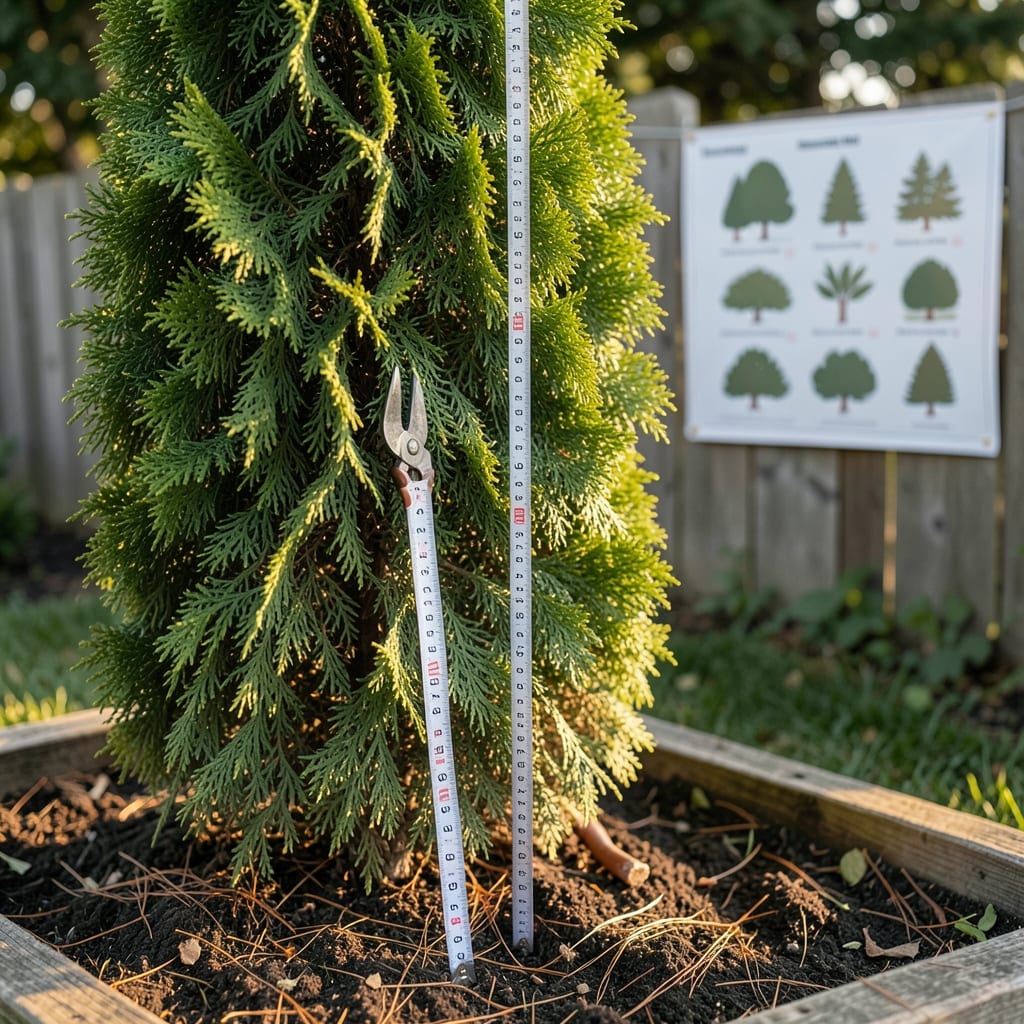
If you're dreaming of a lush, privacy-screen or a towering landscape accent, knowing how tall your arborvitae 🌲 will grow each year is the key to planning. Most varieties shoot up 6–12 inches annually, but that number can swing wildly depending on where you live and how you care for it.
Picture this: a Green Giant reaching 3–5 feet per year in ideal conditions, while a slower-growing Emerald Green might only add 6–12 inches annually. The difference comes down to sunlight, soil, and even your local climate—like whether you're in Zone 6a or a warmer region.
But here’s the good news: with the right tips—like proper watering, smart pruning, and a little extra fertilizer—you can boost growth by 20–30%. Whether you're a patient gardener or eager for quick results, I’ll break down exactly what to expect and how to give your arborvitae the best shot at thriving.
Let’s dive into the numbers, the factors that matter, and the simple tricks to help your arborvitae grow faster—so you can enjoy that dreamy green wall sooner than you think.


Arborvitae annual growth rates by fastest-growing varieties (with real data)
If you’re planning a privacy hedge or a landscape focal point, knowing which arborvitae varieties grow fastest will save you years of waiting. The Green Giant leads the pack, shooting up 3–5 feet per year in ideal conditions, while others like Emerald Green grow more modestly at 6–12 inches annually. But here’s the catch: your local climate zone and care routine can push those numbers up—or down—significantly.
For example, in Zone 8, a Leap Year arborvitae might gain 2–3 feet annually, while the same plant in Zone 5 could struggle to reach 1 foot per year. The difference? Sunlight exposure, soil quality, and even winter hardiness. Let’s break down the fastest-growing varieties and what you can realistically expect from each.
Here’s a quick look at the top performers, ranked by annual height gain and mature size, so you can pick the perfect fit for your space and timeline.
Now, let’s talk real-world expectations. A Green Giant in Zone 7 with full sun and rich soil could hit 4 feet in a single year, but in Zone 5, that same plant might only grow 1–2 feet annually due to shorter growing seasons. The key is to adjust your care routine based on your location—like adding mulch in winter or using a slow-release fertilizer in spring.
If you’re in a warmer climate (Zones 8–10), you’ll see faster growth year-round, while cooler zones (3–5) may require extra protection to avoid winter burn. For example, wrapping young trees in burlap or using anti-desiccant sprays can help them bounce back stronger in spring, leading to bigger height gains the following year.
Pro tip: Measure your arborvitae’s growth every spring before new shoots appear. Use a measuring tape to track height from the base to the highest branch tip. This helps you spot slow growth early and adjust your care plan—like adding compost or increasing watering frequency during droughts.
For those in urban areas with limited space, dwarf varieties like Taylor or Compacta are game-changers. They grow just 6–12 inches per year but stay under 10 feet tall, making them perfect for patios or small yards. Plus, their slower growth means less pruning—just a light trim in late winter to shape them up.
Remember, arborvitae growth isn’t linear. Young plants (under 3 years old) may grow faster initially as they establish roots, while mature trees (over 10 years) slow down to 6–12 inches per year. Planning for this growth curve will help you set realistic expectations and avoid disappointment.
Next, let’s tackle how to boost growth in less-than-ideal conditions, like heavy clay soil or shady spots—because even the slowest growers can thrive with the right tweaks.
How climate zones and soil conditions affect arborvitae growth speed
Your arborvitae’s annual growth isn’t just about the variety you choose—it’s heavily influenced by your climate zone and soil conditions. For example, a Green Giant might hit 5 feet per year in Zone 8 with warm winters, but only 1–2 feet in Zone 5 where cold snaps slow growth. Understanding these factors lets you adjust care routines to maximize height gains.
Let’s start with climate zones. Arborvitae thrive in Zones 3–8, but growth rates vary dramatically. In warmer zones (7–8), you’ll see consistent growth year-round, while cooler zones (3–5) experience slower spring/summer growth and dormancy in winter. Even within a zone, microclimates matter—a south-facing yard gets more sun and warmth, boosting growth by 20–30% compared to a north-facing spot.
🌡️ Key climate factors to watch:
- Temperature swings: Sudden freezes can damage new growth, setting back height gains.
- Daylength: Longer days in summer trigger faster growth.
- Humidity: Dry air increases watering needs, stressing plants in Zone 5+.
⚠️ Warning: Soil Drainage is Non-Negotiable
Arborvitae hate soggy roots. In heavy clay soil (common in Zones 4–6), water pools around roots, causing root rot and stunted growth. Test your soil—if it feels sticky when wet, amend with sand or compost to improve drainage. Mulch heavily (3–4 inches) to prevent moisture extremes.
Now, let’s talk soil. Arborvitae prefer well-draining, slightly acidic soil (pH 6.0–7.0). In alkaline soil (pH 7.5+), nutrients like iron become unavailable, slowing growth by 30–50%. A simple soil test kit (under $20) reveals pH—if it’s too high, add sulfur or peat moss to lower it. Poor soil? Mix in compost or aged manure before planting to jumpstart growth.
Urban gardeners face extra challenges: compacted soil from foot traffic and pollution that stresses plants. Loosen soil with a garden fork and top-dress with organic matter annually. Even in containers, use a fast-draining mix (50% potting soil, 30% perlite, 20% compost) to prevent root suffocation.
One often-overlooked factor? Wind exposure. In exposed areas, arborvitae lose moisture faster, slowing growth. Plant a windbreak (like shrubs or a fence) on the west side to protect from drying afternoon winds. For container-grown plants, move them to a sheltered spot during high-wind seasons.
Here’s the bottom line: optimize your arborvitae’s environment, and you’ll see noticeable height gains. Start with a soil test, adjust for your zone’s quirks, and protect young plants from extreme conditions. Next, we’ll cover 5 pro tips to push growth even further—because even the slowest varieties can thrive with the right care!