
Plants
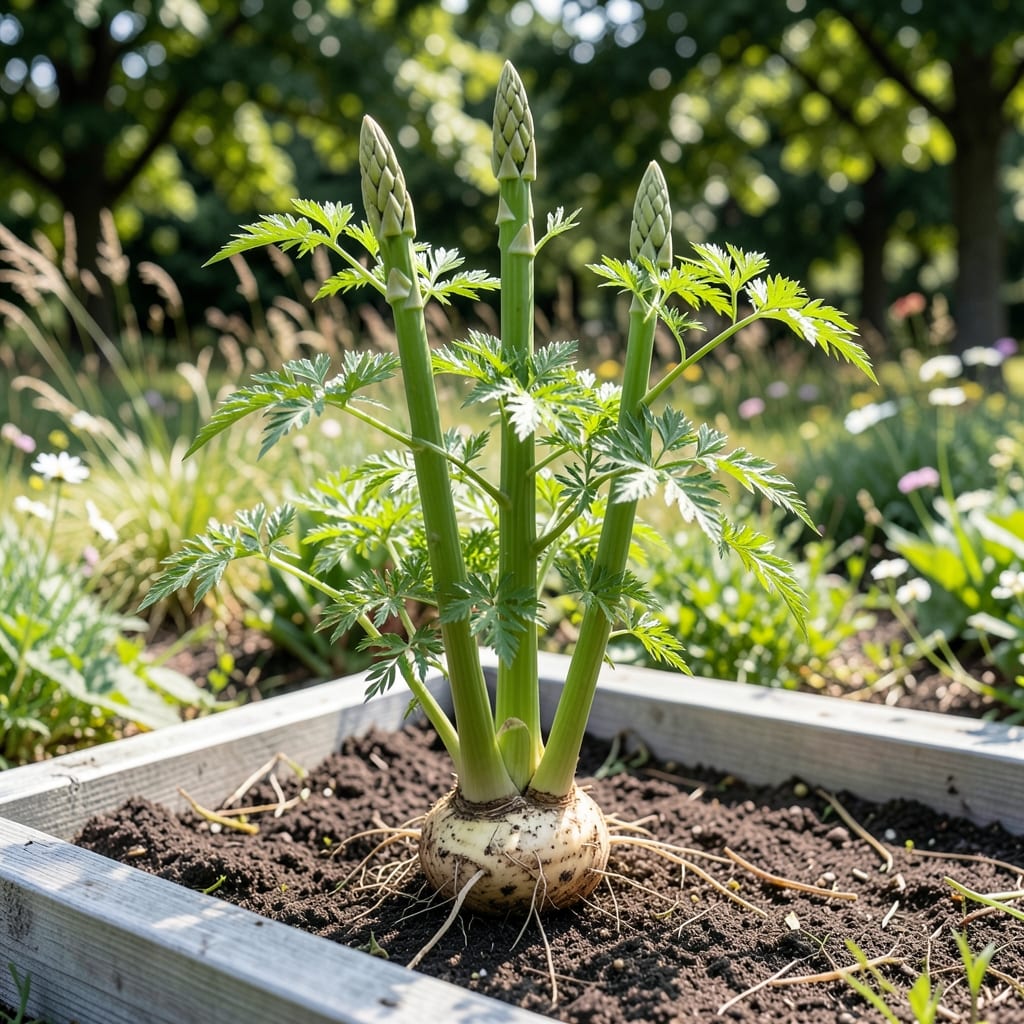
Wondering how tall do asparagus plants grow and whether they'll take over your garden? These 🌱 perennials are surprisingly adaptable, with mature heights ranging from 3 to 6 feet—but there are ways to keep them more compact.
Most standard varieties reach their full height in 2-3 years, but compact cultivars can stay under 3 feet if given proper care. The key lies in choosing the right variety and spacing them correctly from the start.
In this guide, I’ll break down how to select space-saving asparagus types, control their height naturally, and maximize your harvest—even in small gardens. Whether you're a beginner or a seasoned gardener, these tips will help you grow asparagus without the bulk.
Ready to learn how to keep your asparagus plants manageable while still enjoying a bountiful harvest? Let’s dive into the details that make all the difference.


Standard asparagus height: what to expect from traditional varieties
If you're growing traditional asparagus varieties like Jersey Knight or Purple Passion, expect mature plants to reach 4 to 6 feet tall—taller than many gardeners realize. These perennial plants develop deep roots and fern-like foliage that spreads wider than their height, making proper spacing essential.
The crown depth (where spears emerge) sits about 6-8 inches underground, while the above-ground ferns can spread 2-3 feet wide. This means you’ll need at least 18-24 inches between plants to prevent overcrowding and disease.
Most varieties take 2-3 years to reach full height, with minimal growth in year one as the roots establish. By year three, you’ll see the 3-6 foot mature height that defines classic asparagus plants.
Here’s what to expect from popular traditional varieties in terms of height and spread:
| Variety | Mature Height | Spread Width | Notes |
|---|---|---|---|
| Jersey Knight | 4-6 ft | 2-3 ft | Early producer, needs full sun |
| Purple Passion | 3-5 ft | 2-2.5 ft | Unique purple spears, compact |
| Mary Washington | 5-6 ft | 3 ft | Classic heirloom, needs space |
| Millennium | 4-5 ft | 2.5 ft | Disease-resistant, good for small gardens |
While these traditional varieties offer excellent yields, their height and spread can be challenging in small gardens or container setups. The good news? There are space-saving alternatives that stay under 3 feet while still producing delicious spears.
For example, Pacific 2000 is a hybrid variety bred for compact growth, reaching only 2-3 feet tall while maintaining productivity. This makes it ideal for gardeners with limited space who still want a reliable asparagus harvest.
When planning your garden layout, remember that asparagus plants live for 10-15 years, so choosing the right variety and spacing is a long-term investment. Proper spacing not only controls height but also improves air circulation, reducing the risk of fungal diseases like rust.
If you're working with a raised bed, aim for 12-18 inches between plants in rows spaced 2-3 feet apart. In-ground plantings should follow similar spacing guidelines to prevent competition for nutrients and water.
For those with containers or small spaces, focus on varieties like Mary Washington (though taller) or Millennium, which can be pruned to stay more compact. Just be prepared for slightly smaller yields compared to their full-sized counterparts.
Understanding these height expectations helps you plan your garden layout and choose varieties that fit your space—without sacrificing the joy of homegrown asparagus.
Space-saving asparagus varieties that stay under 3 feet
If you love the idea of growing asparagus but have limited garden space, you’ll be relieved to know that compact varieties can thrive in small areas while staying under 3 feet tall. These space-saving cultivars are perfect for containers, raised beds, or tight garden corners, offering the same delicious harvest without the bulk.
Most dwarf or semi-dwarf varieties reach maturity in just 2-3 years, with heights ranging from 1.5 to 3 feet. Unlike traditional varieties, these plants focus their energy on producing spears rather than towering ferns, making them ideal for urban gardens or patio setups.
Here’s how these compact varieties compare to standard asparagus in terms of height, spread, and yield:
| Variety | Mature Height | Spread Width | Ideal Spacing | Best For |
|---|---|---|---|---|
| Pacific 2000 | 2-3 ft | 1.5-2 ft | 12-18 in | Containers, small gardens |
| Mary Washington | 3-4 ft | 2-2.5 ft | 18-24 in | Raised beds, small plots |
| Purple Passion | 3-4 ft | 2-2.5 ft | 18-24 in | Ornamental gardens, small spaces |
| Millennium | 2.5-3 ft | 1.5-2 ft | 12-18 in | Disease-prone areas, containers |
For container gardening, choose Pacific 2000 or Millennium, as they thrive in 5-gallon pots with proper drainage. Use a well-draining potting mix and place containers in full sun for best results. Remember, asparagus is a perennial, so your container will need to accommodate its long-term growth.
If you’re working with a raised bed, arrange plants in a grid pattern with 18 inches between rows to maximize space while allowing room for fern growth. This layout also improves air circulation, reducing the risk of fungal diseases that can plague dense plantings.
One of my favorite space-saving tips? Plant asparagus near low-growing companions like thyme or chives. These plants thrive in the same full-sun conditions and won’t compete for space, creating a functional and attractive garden bed.
With the right variety and spacing, you can enjoy fresh asparagus spears year after year—without sacrificing your garden’s layout or aesthetics. Whether you’re a city dweller with a balcony or a suburban gardener with limited space, these compact options make asparagus gardening accessible to everyone.