
Trees
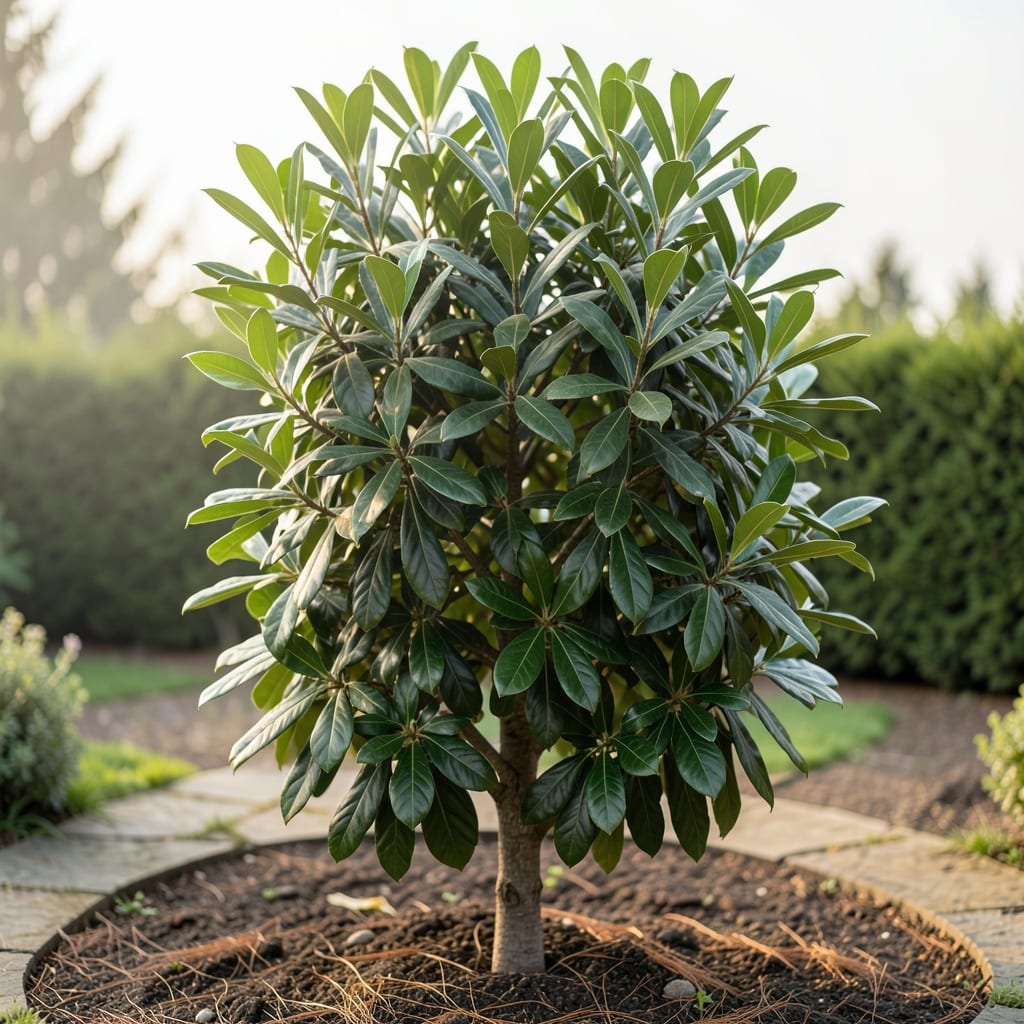
If you're wondering how tall do bay leaf trees grow, you'll be surprised to learn these aromatic giants can reach heights of 40 feet in ideal conditions—but that doesn’t mean they’ll take over your space. With the right care, you can keep your 🌿 Bay Laurel Tree compact enough for containers, balconies, or even indoor growing.
Most gardeners assume bay leaf trees need a sprawling yard to thrive, but the truth is far more flexible. Whether you're working with a 5-gallon pot or a 15-gallon container, pruning and variety selection play a huge role in controlling their height. The key is understanding how these trees grow naturally and how to guide their development for your specific needs.
In this guide, I’ll walk you through everything you need to know—from the natural height range of bay leaf trees to the best dwarf varieties for small spaces. You’ll discover how container size, pruning techniques, and even your climate can influence whether your tree stays at a manageable 8 feet or stretches toward the sky.
Ready to grow fresh bay leaves without sacrificing your garden space? Let’s dive into the secrets of cultivating a compact, productive Bay Laurel Tree that fits your lifestyle—no matter how limited your growing area might be.

Bay leaf tree height: mature size vs. container-grown limits
Bay leaf trees (Laurus nobilis) are natural tall growers, reaching heights of 10 to 40 feet when planted in the ground with ideal conditions. In their native Mediterranean climates, these evergreen trees can tower over two-story houses, but container cultivation offers a game-changing solution for small-space gardeners. The key difference? Root restriction and pruning techniques can shrink their mature height to just 8 to 12 feet—or even smaller with careful management.
When grown in containers, bay leaf trees focus their energy on leaf production rather than vertical growth. This makes them perfect for balconies, patios, or even indoor growing near sunny windows. The trade-off? You’ll need to monitor their growth closely and prune regularly to maintain compact size. Without these interventions, even container-grown trees can eventually outgrow their pots and stretch toward the sky.
🌱 Bay Leaf Tree Height Guide
| Growth Stage | Height Range | Timeframe | Ideal Conditions |
|---|---|---|---|
| Seedling | 1-3 ft | 0-1 year | Full sun, well-draining soil |
| Young Tree (Container) | 3-8 ft | 1-3 years | 5-15 gallon pot, regular pruning |
| Mature (Ground) | 10-40 ft | 5+ years | Full sun, spacious yard |
| Dwarf Variety (Container) | 6-12 ft | 3-5 years | 10-20 gallon pot, annual pruning |
One common misconception is that container size alone determines height. While larger pots (like 15-gallon containers) give trees more room to grow, even a 5-gallon pot can keep a bay leaf tree under 6 feet tall if pruned correctly. The secret lies in root restriction—when roots can’t spread, the tree redirects energy upward, but strategic pruning keeps it bushy and manageable. I’ve seen bay leaf trees in 10-gallon pots stay around 5 feet tall with regular trimming every 3-4 months.
Climate also plays a role in height control. In cooler climates (USDA Zones 6-8), bay leaf trees grow more slowly, making them easier to manage in containers. Meanwhile, in warmer zones (9-11), they can grow faster and require more aggressive pruning. If you live in a hot area, consider moving your container to a shadier spot during peak summer to slow growth and reduce stress on the plant.
For gardeners with limited space, the 'Angustifolia' variety is a game-changer. This narrow-leaf bay grows more slowly and stays compact, making it ideal for small containers and indoor growing. Even without special varieties, though, you can keep standard bay leaf trees under 8 feet tall with consistent care. The key is to prune in late winter or early spring before new growth begins, removing about 1/3 of the plant’s height to encourage bushier growth.
If you’re growing bay leaf trees for their culinary leaves, height control becomes even more important. Smaller trees produce more harvestable foliage relative to their size, and container-grown trees yield just as flavorful leaves as their larger counterparts. Just remember: the more you prune, the more leaves you’ll harvest—so don’t be afraid to get your shears out! With the right approach, you can enjoy fresh bay leaves year-round without sacrificing your garden’s layout.
Ready to put these height-control strategies into action? In the next section, I’ll share 5 proven techniques to keep your bay leaf tree compact—no matter how small your space. From root pruning to seasonal care adjustments, you’ll learn how to shape your tree for maximum flavor and minimum footprint.
5 Proven ways to keep bay leaf trees compact in pots
If you’ve ever struggled to keep your bay leaf tree from outgrowing its container, you’re not alone. The secret to maintaining a compact, manageable size lies in combining the right pruning techniques with smart container management. Unlike their wild counterparts that reach 40 feet tall, container-grown bay leaf trees can stay under 6 feet with consistent care. Here are my top 5 methods to control their height while maximizing leaf production.
First on the list: regular pruning. Pruning isn’t just about aesthetics—it’s how you shape your tree’s growth habit. I recommend trimming in late winter or early spring, just before new growth begins. Remove about 1/3 of the plant’s height to encourage bushier, more compact growth. For example, if your tree is 5 feet tall, aim to reduce it to 3-4 feet after pruning. This stimulates lateral branching, which increases leaf production—the very reason you’re growing it in the first place!
🌿 Numbered Highlights: Compact Bay Leaf Tree Care
- Prune in late winter to control height and encourage bushiness.
- Use 5-15 gallon pots—larger pots allow more growth but require more pruning.
- Try 'Angustifolia' for naturally slower growth and smaller size.
- Root prune every 2-3 years to restrict root expansion and limit height.
- Place containers in partial shade during summer to slow growth in hot climates.
Next, consider root pruning, a technique often overlooked but incredibly effective. Every 2-3 years, gently trim the roots when repotting to restrict their growth. This forces the tree to focus energy on leaf production rather than vertical expansion. I’ve seen bay leaf trees in 10-gallon pots stay under 5 feet tall with annual root pruning. Just be sure to repot in spring to give the tree time to recover before summer heat sets in.
Choosing the right container size is another game-changer. A 5-gallon pot will keep your tree under 6 feet tall, while a 15-gallon container allows for more growth but requires more aggressive pruning. For example, my 10-gallon pot stays around 5 feet tall with regular pruning, but I’ve seen the same variety in a 20-gallon pot reach 8 feet tall without intervention. The key is to match your pot size to your desired height.
For gardeners with limited space, dwarf varieties like 'Angustifolia' are a lifesaver. This narrow-leaf bay grows more slowly and stays compact, making it perfect for small containers and indoor growing. Even standard varieties can be kept under 8 feet tall with consistent care. The trick is to prune in late winter or early spring and avoid over-fertilizing, which can encourage rapid growth. I’ve grown 'Angustifolia' in a 7-gallon pot for years, and it’s never exceeded 5 feet tall.
Finally, don’t underestimate the power of seasonal care adjustments. In hot climates (USDA Zones 9-11), move your container to a shadier spot during peak summer to slow growth and reduce stress. In cooler climates (Zones 6-8), bay leaf trees grow more slowly, making them easier to manage. Regardless of your climate, avoid fertilizing in fall and winter—this prevents new growth when the tree should be dormant. Instead, focus on light feeding in spring and summer to maintain health without encouraging rapid height growth.
With these 5 proven techniques, you can keep your bay leaf tree compact, productive, and perfect for small spaces. Whether you’re growing in a 5-gallon pot on your balcony or a 15-gallon container in your garden, the key is consistency. Prune regularly, choose the right pot size, and adjust care based on your climate. Soon, you’ll have a bushy, aromatic bay leaf tree that fits your space—and your kitchen! 🌿