
Trees
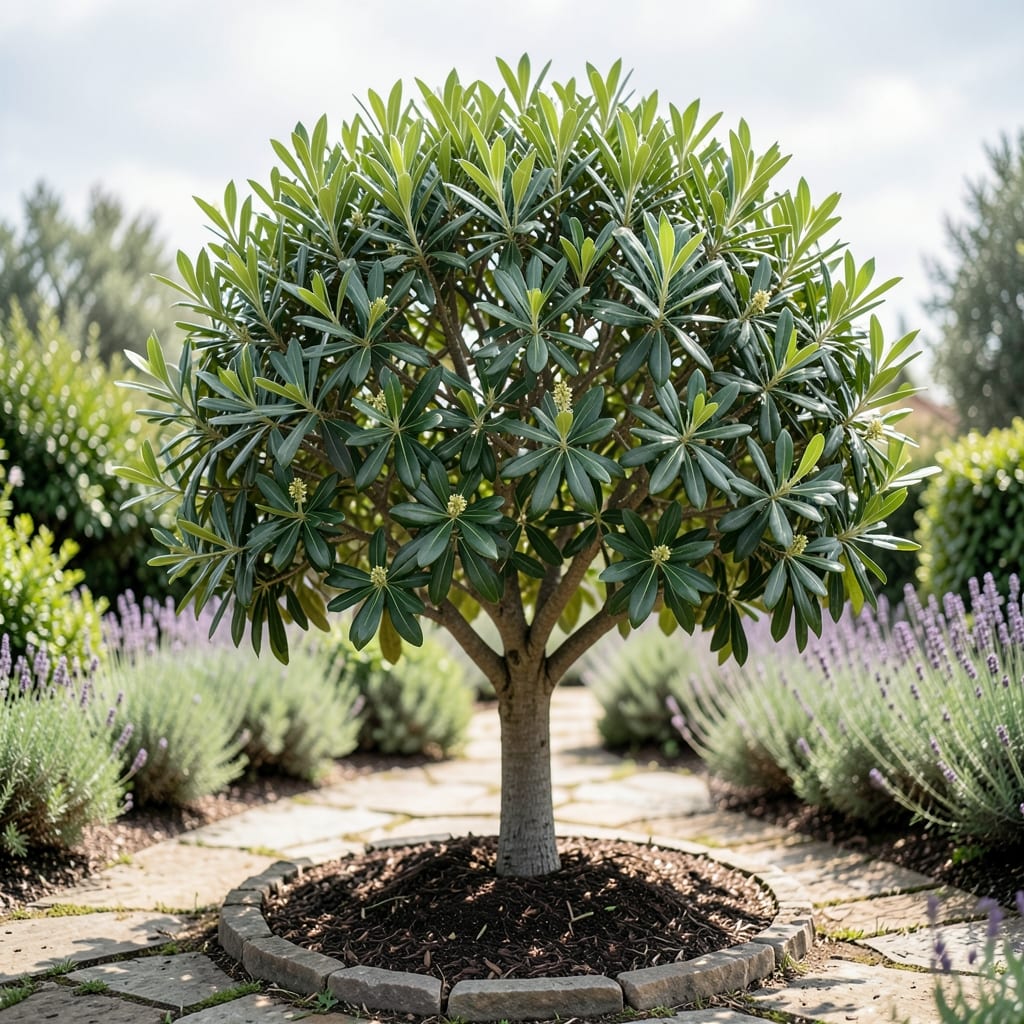
If you’re wondering how tall do bay trees grow in your garden, you’re not alone—this fragrant evergreen can become a 20-foot giant if left unchecked. The answer isn’t one-size-fits-all, though, because some varieties grow like weeds while others stay compact enough for containers.
Let’s break down the fastest-growing types that could top 50 feet in ideal conditions versus the dwarf varieties that max out around 8 feet. Whether you’re planning a kitchen herb garden or a backyard centerpiece, knowing these differences is the key to avoiding a 20-foot surprise.
Growth speed also depends on where you live—USDA Zone 6a gardeners will see slower progress than those in warmer climates. I’ll share how to control height through pruning, sunlight tricks, and even container hacks so you can enjoy your Bay Tree’s aroma without sacrificing your yard’s layout.
Ready to pick the perfect size? You’ll learn exactly which varieties stay small, which shoot up fast, and how to keep any Bay Tree at your desired height—no guesswork required.


Bay tree height by variety: fastest-growing vs. compact options
Bay trees (Laurus nobilis) are stunning evergreens prized for their fragrant leaves and year-round greenery, but their mature height can vary dramatically depending on the variety. If you’re planning your garden layout, knowing these differences will help you choose the perfect fit—whether you want a towering specimen or a container-friendly dwarf. Let’s break down the fastest-growing and compact options so you can make an informed decision.
The most common bay tree, the Sweet Bay (Laurus nobilis), typically reaches 15–50 feet at maturity when planted in the ground. However, this height can be easily controlled with pruning, especially in small gardens or urban spaces. Meanwhile, some varieties like the Tuscan Bay or Purple Leaf Bay may grow slightly faster or slower, depending on growing conditions. Let’s compare the key varieties to help you visualize their potential height and space needs.
| Variety | Mature Height (ft) | Growth Rate (yrs to maturity) | Best For |
|---|---|---|---|
| Sweet Bay (Laurus nobilis) | 15–50 ft | 10–20 years | Large gardens, hedges |
| Tuscan Bay (Laurus nobilis 'Tuscan') | 12–25 ft | 8–15 years | Medium gardens, containers |
| Purple Leaf Bay (Laurus nobilis 'Purpurea') | 8–12 ft | 5–10 years | Small gardens, pots |
| Dwarf Bay (Laurus nobilis 'Angustifolia') | 4–8 ft | 3–7 years | Containers, patios, windowsills |
| California Bay (Umbellularia californica) | 30–70 ft | 20–30 years | Large landscapes, wild gardens |
If you’re growing bay trees in containers, even the tallest varieties can be managed with regular pruning. A 5-gallon pot is ideal for dwarf varieties, while 15-gallon containers can accommodate Tuscan Bay for several years before needing repotting. For ground planting, ensure you have at least 10 feet of clearance for dwarf varieties and 20+ feet for standard Sweet Bay trees to prevent overcrowding.
One key factor influencing height is pruning frequency. Without pruning, Sweet Bay trees can grow uncontrolled and reach their full 50-foot potential, while regular trimming keeps them compact and bushy. For example, pruning back one-third of new growth annually can reduce height by 30–50% over time. This technique is especially useful for urban gardens where
Bay tree height by variety: fastest-growing vs. compact options
When choosing a bay tree, height is the first factor to consider—some varieties grow like 20-foot giants while others stay compact enough for container gardening. The Sweet Bay (Laurus nobilis), the classic kitchen herb, typically reaches 15-50 feet in ideal conditions, but dwarf varieties like 'Angustifolia' max out around 8 feet.
Your climate plays a huge role too—USDA Zone 6a gardeners may see slower growth compared to Zone 9 growers, where bay trees can shoot up 3 feet per year with proper care. Let’s compare the most popular varieties and their space requirements so you can pick the perfect fit for your garden.
| Variety | Mature Height | Growth Rate | Best For |
|---|---|---|---|
| Sweet Bay (Laurus nobilis) | 15–50 ft | Slow to moderate (1–3 ft/year) | Large gardens, hedges, culinary use |
| 'Angustifolia' | 8–12 ft | Moderate (2 ft/year) | Containers, small yards, patios |
| Tuscan Bay (Laurus nobilis 'Tuscan') | 12–20 ft | Moderate (2–3 ft/year) | Medium yards, privacy screens |
| 'Purple Leaf' | 10–15 ft | Slow (1–2 ft/year) | Ornamental gardens, color contrast |
| 'Undulata' | 10–15 ft | Moderate (2 ft/year) | Textured foliage, cottage gardens |
If you’re growing bay trees in containers, even the tallest varieties can be managed with regular pruning. A 15-gallon pot can comfortably hold a 'Angustifolia' for years, while larger containers (30+ gallons) work for Tuscan Bay varieties. Just remember: container-grown trees need annual repotting to prevent root-bound stress.
For outdoor planting, give standard bay trees at least 10 feet of clearance from structures and other plants. If you’re using them as hedges, space them 3–5 feet apart and prune annually to maintain uniformity. The key is to prune in late winter before new growth begins—this keeps the tree compact and bushy while encouraging dense foliage.
Pro tip: If you love the aroma but hate the height, try the 'Dwarf Bay' (Laurus nobilis 'Dwarf'). It stays under 8 feet and thrives in 5-gallon containers, making it perfect for kitchen gardens or balcony planters. Just ensure it gets 4–6 hours of sunlight daily to prevent leggy growth.