
Plants
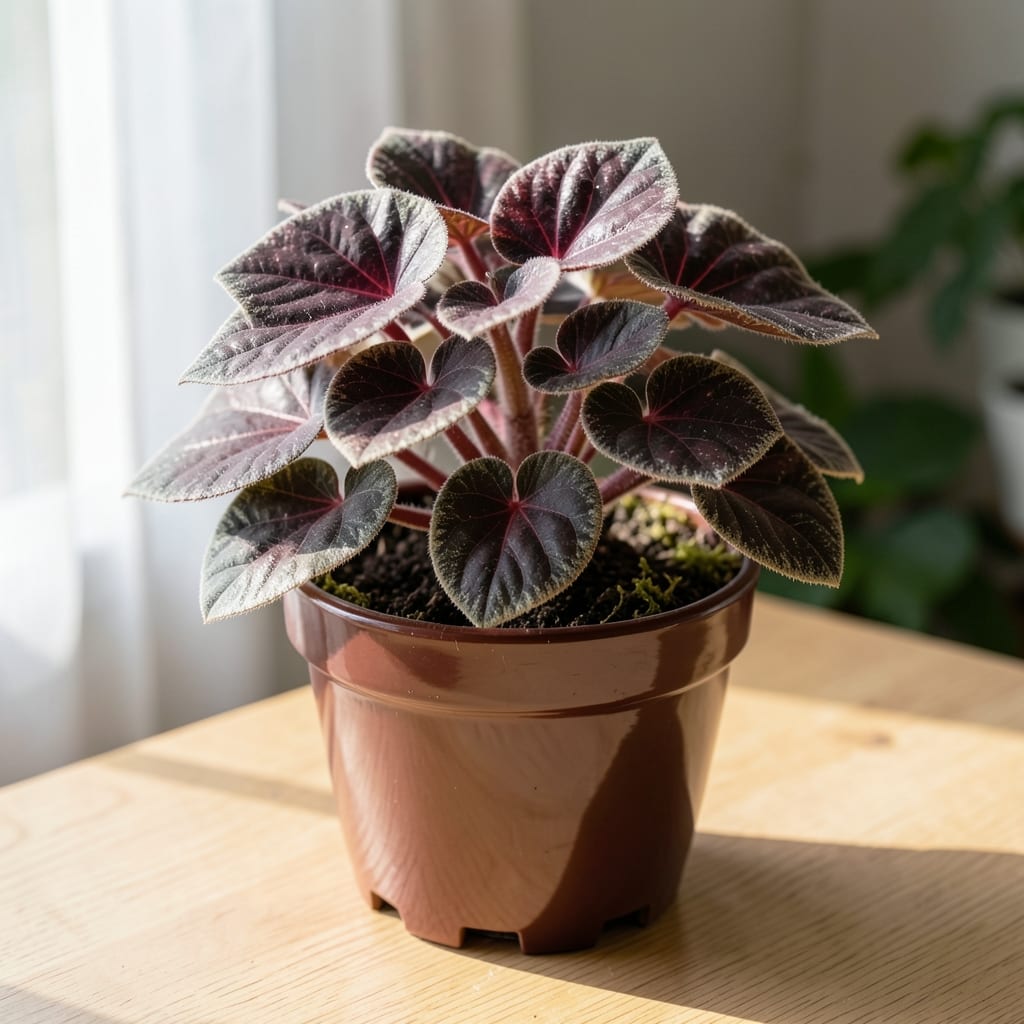
Curious about how tall your begonia plants will grow? The answer might surprise you—some stay as small as 6 inches, while others reach nearly 2 feet tall, depending on the variety you choose. Whether you're planning a cozy windowsill display or a vibrant garden bed, understanding these differences is the key to creating the perfect space for your begonias.
Begonias like the rex begonia often stay compact, perfect for tabletops or shelves, while cane begonias can stretch dramatically if given the right conditions. The good news? With a few simple adjustments—like proper pruning or container size—you can influence their height to fit your needs. Let’s break down what to expect and how to keep your plants thriving at the perfect size.
If you’ve ever struggled with a begonia that seems to grow too fast or too slow, you’re not alone. Light exposure, soil quality, and even the type of fertilizer you use can all play a role in how tall your plants become. I’ll share the most effective tips to manage their growth, whether you want them to stay petite or reach their full potential. Ready to transform your space with the right begonia height?
From trailing varieties that spill beautifully over edges to upright types that add vertical interest, begonias offer endless possibilities. The secret to success? Knowing which variety suits your space and how to care for it. Let’s dive into the details so you can choose—and grow—the perfect begonias for your home or garden.


Begonia height ranges: from tiny tabletop plants to towering giants
Begonias come in a stunning array of sizes, from delicate tabletop varieties that fit perfectly on windowsills to dramatic cane begonias that can reach nearly 3 feet tall in ideal conditions. The key to choosing the right begonia for your space lies in understanding these height variations—and how each type grows over time. Whether you're working with rex begonias that stay compact or tuberous begonias that spread wider, knowing their mature size helps you plan your garden layout with confidence.
For beginners, the most important distinction is between compact foliage types and tall flowering varieties. Compact begonias like the Begonia masoniana typically max out at 8-12 inches, making them ideal for terrariums or small containers. On the other end of the spectrum, cane begonias such as Begonia cucullata can grow 2-3 feet tall when given proper support and care. Even within these categories, individual plants may vary by 20-30% depending on growing conditions.
Here’s a quick visual guide to help you visualize how different begonia types compare in height and spread:
| Variety | Height Range | Spread | Best For |
|---|---|---|---|
| Rex Begonia | 6-12 inches | 12-18 inches | Tabletops, shelves, terrariums |
| Wax Begonia | 10-18 inches | 12-20 inches | Borders, hanging baskets |
| Tuberous Begonia | 12-24 inches | 12-18 inches | Garden beds, containers |
| Cane Begonia | 24-36 inches | 12-24 inches | Vertical gardens, trellises |
| Trailing Begonia | 6-12 inches (plant) | 2-3 feet (trails) | Hanging baskets, shelves |
The rex begonia is a favorite for indoor gardeners because its compact growth habit makes it perfect for small spaces. These plants typically grow 6-12 inches tall and spread 12-18 inches wide, creating a lush, colorful display without taking up much room. Their striking foliage—often featuring silver, purple, or deep green leaves with intricate patterns—makes them a standout choice for windowsill gardens or office desks. If you're limited to a small area, rex begonias are an excellent way to add visual interest without sacrificing space.
On the other hand, cane begonias are the tallest type, often reaching 3 feet or more when given proper care. These plants produce wooden canes that grow upright, making them ideal for vertical gardening or adding height to mixed containers. Varieties like Begonia 'Dragon Wings' can even grow 4-5 feet tall in optimal conditions, though they typically require support stakes or trellises to stay upright. If you're looking to create a dramatic focal point in your garden, cane begonias deliver stunning results.
For gardeners with moderate space, tuberous begonias strike the perfect balance. These plants grow 12-24 inches tall and produce vibrant flowers in shades of pink, red, and white. They’re excellent for garden beds or large containers and thrive in partial shade, making them versatile for many outdoor settings. Unlike cane begonias, tuberous types focus their energy on flower production rather than vertical growth, so they stay more manageable while still offering a bold display.
If you're growing begonias in containers, remember that root-bound plants often grow taller as they compete for space. To encourage compact growth, choose containers that are slightly larger than the plant's root ball—this prevents overcrowding and promotes a bushier habit. For trailing varieties, use hanging baskets with at least 10-12 inches of depth to accommodate their sprawling stems. The right container can make a big difference in how your begonias develop over time.
One common misconception is that all begonias grow the same height. In reality, light exposure plays a huge role in their development. For example, rex begonias grown in low-light conditions may stay shorter but produce larger leaves, while those in bright, indirect light grow taller with more vibrant colors. Similarly, cane begonias in full sun may grow 20-30% taller than those in shade, though their stems can become leggy and weak if not supported. Balancing light conditions is key to achieving the ideal height for your specific variety.
For those who love trailing begonias, varieties like Begonia 'Christmas' or 'Rieger'
How to control begonia growth height for small spaces
If you’re working with limited space—whether it’s a tiny apartment balcony or a crowded windowsill—controlling begonia height is all about strategic pruning, light management, and container selection. The key is to match your care routine to the variety you’re growing. For example, rex begonias, which naturally stay under 12 inches, thrive in small pots with minimal pruning, while cane begonias can shoot up to 3 feet if left unchecked.
Start by choosing the right container size. A 6-inch pot will restrict root growth, encouraging a more compact plant. For trailing varieties like begonia boliviensis, use a hanging basket to control their sprawl while showcasing their vining habit. Always ensure your container has drainage holes to prevent root rot, which can stunt growth or cause leggy, weak stems.
Light plays a huge role in height control. Too much direct sun can cause etiolation—those long, weak stems we all dread. Instead, place your begonias near an east-facing window or under sheer curtains to filter light. If you notice stems stretching toward the light, it’s time to rotate the plant every few days for even growth. For indoor gardeners, a grow light on a timer can mimic natural daylight cycles and keep plants bushier.
Pruning is your best friend for managing height. Pinch back the tips of new growth when your begonia reaches about 6 inches tall to encourage branching. Use clean, sharp pruning shears and cut just above a leaf node. Regular pruning not only controls height but also promotes fuller foliage and more blooms. For cane begonias, prune in early spring to remove any leggy or woody stems, giving your plant a fresh start for the season.
Pro Tip: The 3-3-3 Rule for Compact Begonias
For small-space begonias, follow this simple rule: 3 inches of space between plants, 3 hours of indirect light daily, and 3 prunings per season. This keeps your plants healthy, compact, and thriving without taking over your space.
Don’t overlook the power of fertilizer choices. A low-nitrogen fertilizer (like a 5-10-10 blend) encourages leafy growth without excessive height. Over-fertilizing with nitrogen can lead to lush foliage but weak stems that flop over. Instead, opt for a balanced fertilizer every 4-6 weeks during the growing season. For container plants, dilute the fertilizer to half-strength to avoid salt buildup, which can stress roots and affect growth.
Finally, consider grafting or layering for trailing varieties. If your begonia ‘Dragon Wings’ starts to outgrow its space, you can propagate new plants from stem cuttings. This not only controls the parent plant’s height but also gives you free plants to fill other spots in your garden. Just dip the cuttings in rooting hormone and place them in moist perlite or sphagnum moss until roots form.
With these techniques, you’ll have lush, manageable begonias that fit perfectly in any space—whether it’s a windowsill garden or a balcony planter. The secret is consistency: monitor your plants regularly, adjust care as needed, and enjoy the rewarding results of your efforts. Happy gardening! 🌿