
How To
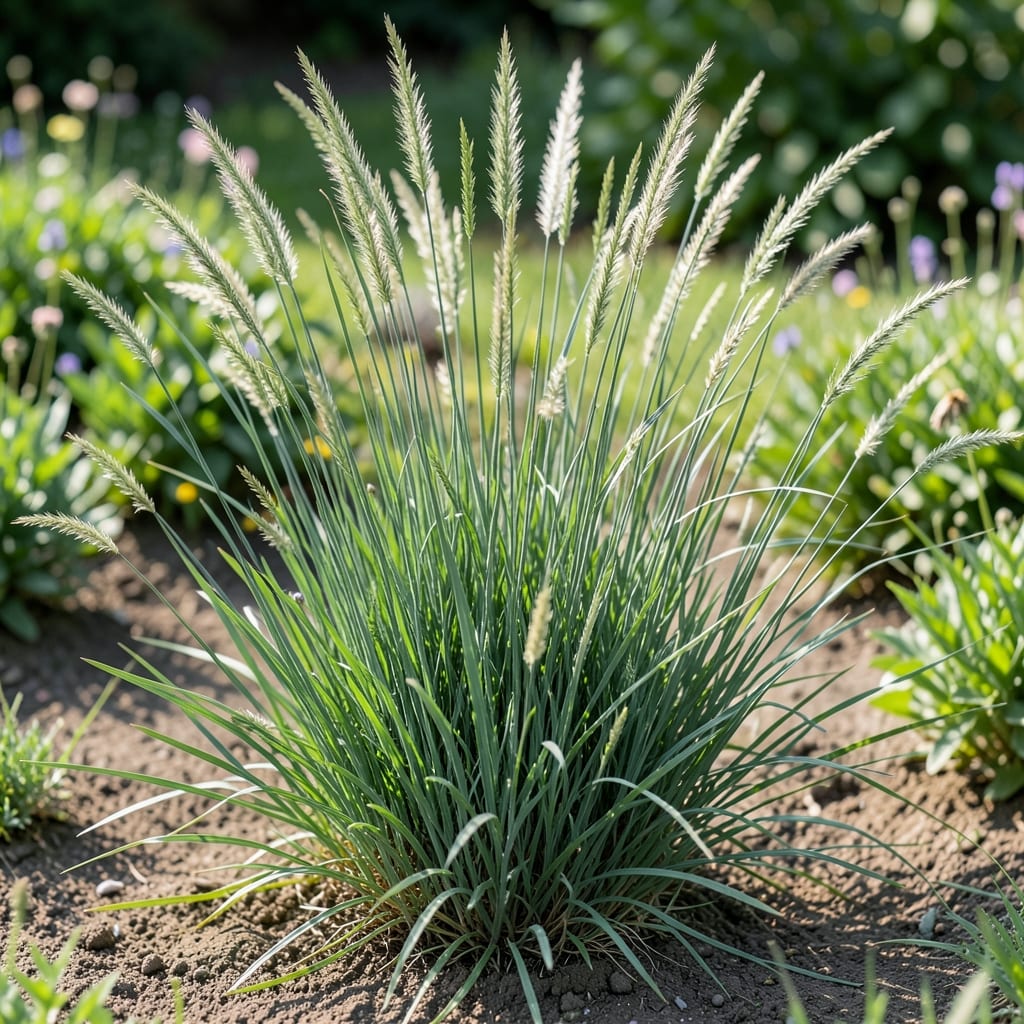
If you're wondering how long for tall fescue to grow, the answer depends on your patience—and your preparation. This hardy 🌱 Tall Fescue can transform a patchy lawn into a lush carpet in as little as 30-45 days, but only if you set it up right from the start.
Most gardeners see those first tiny sprouts within 7-21 days after planting, but don’t expect a full lawn overnight. The real magic happens in the weeks that follow, when consistent care turns those delicate shoots into dense, drought-resistant grass. Whether you’re seeding in spring or early fall, timing and technique are everything.
Climate and soil play a bigger role than you might think. In USDA Zone 6a, where many homeowners grow Tall Fescue, cooler temperatures can slow germination, while well-drained soil and regular watering speed things up. The key is keeping moisture consistent without drowning the seeds—think of it like nurturing a baby plant, not a swamp.
Ready to skip the guesswork? I’ll walk you through the exact steps to get your Tall Fescue lawn growing faster and looking its best, from seed to full coverage. Let’s make that green dream a reality—without the wait.

Tall Fescue germination timeline: what to expect in 7-21 days
When you plant Tall Fescue seeds, the first critical phase is germination, which typically kicks off in 7-21 days under ideal conditions. This window can shift based on soil temperature, moisture levels, and sunlight exposure—but don’t let those numbers fool you. The first 7 days are the most delicate, where seeds either wake up or stay dormant.
For the best results, aim for soil temperatures between 60°F and 75°F. Cooler soils (below 55°F) can stretch germination to 3-4 weeks, while warmer soils (above 80°F) may cause seeds to dry out before sprouting. Think of it like a Goldilocks scenario—too hot, too cold, or just right.
Moisture is another game-changer. Keep the soil consistently damp (not soggy) during germination. A light misting 2-3 times daily works wonders, especially if you’re seeding in spring or early fall. Use a spray nozzle to avoid displacing seeds, and avoid overhead watering, which can wash them away.
Sunlight matters too! Tall Fescue thrives in full sun (6+ hours daily), but newly planted seeds need indirect light to prevent drying. If seeding in summer, provide light shade (like a shade cloth) until sprouts appear. Once they’re 1-2 inches tall, they can handle direct sun.
Now, let’s talk about what to expect week by week. Here’s a quick breakdown of the germination timeline and how to optimize each stage:
| Stage | Days to Complete | Key Conditions | Actionable Tip |
|---|---|---|---|
| Seed Soaking | 1-3 days (pre-plant) | Warm water (70°F) | Soak seeds overnight to kickstart germination. |
| First Sprouts | 7-14 days | 60-75°F soil, damp soil | Mist lightly daily; avoid disturbing soil. |
| Visible Seedlings | 14-21 days | Consistent moisture, indirect light | Thin seedlings to 2-3 inches apart for airflow. |
| Root Establishment | 21-30 days | Deep watering, full sun | Reduce watering frequency; let soil dry slightly between waterings. |
Pro tip: If germination takes longer than 3 weeks, check for soil compaction or poor drainage. Loosen the top 1-2 inches of soil with a rake and mix in compost to improve aeration. Overwatering can also suffocate seeds, so aim for damp, not wet soil.
Once you see those first tiny green shoots, resist the urge to mow or fertilize! The roots are still fragile, and aggressive care can stunt growth. Instead, focus on light, frequent watering and protection from foot traffic until the grass reaches 3-4 inches tall.
Remember, patience is key. Even if germination seems slow, Tall Fescue is a cool-season grass that rewards consistency. With the right conditions, you’ll see full coverage in 30-45 days, but the foundation you build now determines how thick and resilient your lawn becomes.
Ready to move to the next phase? The real work begins once those sprouts pop up—let’s talk about how to turn them into a dense, lush lawn in the next section. 🌱
From sprouts to full coverage: 30-45 days to a thick Tall Fescue lawn
Now that your Tall Fescue seeds have sprouted, the real transformation begins. Those delicate 1-inch seedlings will grow into a dense lawn in just 30-45 days, but only if you adjust your care routine. The first 2 weeks after germination are critical—this is when roots deepen and blades thicken. Skimp on water or mow too soon, and you’ll end up with patchy, weak grass that struggles to compete with weeds.
Start by reducing watering frequency but increasing depth. Instead of daily misting, aim for deep watering 2-3 times per week—about 1 inch of water per session. This encourages roots to grow downward, making your lawn more drought-resistant once established. Water in the early morning to let blades dry before evening, which prevents fungal diseases like brown patch.
Here’s a step-by-step guide to optimize growth during this phase, with actionable tips to avoid common mistakes:
- 1 Wait to mow: Hold off until grass reaches 3-4 inches tall. Mowing too soon stunts root growth and creates thin, weak blades.
- 2 First mowing: Cut to 2.5-3 inches to encourage lateral growth. Use a sharp mower blade to avoid tearing grass.
- 3 Fertilize lightly: Apply a balanced fertilizer (10-10-10) when grass is 3-4 inches tall. Over-fertilizing burns tender roots.
- 4 Thin if needed: If seedlings are crowded (closer than 2 inches), gently pull excess plants to improve air circulation and reduce disease risk.
- 5 Monitor for pests: Watch for chinch bugs or grubs, which thrive in young grass. Treat with neem oil or beneficial nematodes if you spot damage.
The 30-day mark is when you’ll start seeing dramatic changes. Grass blades will double in size, and you’ll notice fewer bare spots as the lawn fills in. By 45 days, with proper care, you should have 90% coverage—though some areas may need a second seeding if growth is uneven.
One common pitfall is assuming the lawn is "done" at this stage. Tall Fescue continues to thicken and strengthen for 6-12 months after planting. To maintain that luxurious density, keep mowing at 3 inches, fertilize every 6-8 weeks during growing season, and overseed bare patches in fall. Patience here pays off—your lawn will reward you with resilience against heat, foot traffic, and weeds.
Pro tip: If your lawn still looks patchy after 45 days, don’t panic. Tall Fescue is slow to spread compared to Bermuda grass. Try top-dressing with compost or lightly raking to expose fresh soil for new seeds. With a little extra TLC, those gaps will fill in by season’s end. 🌱