
Plants
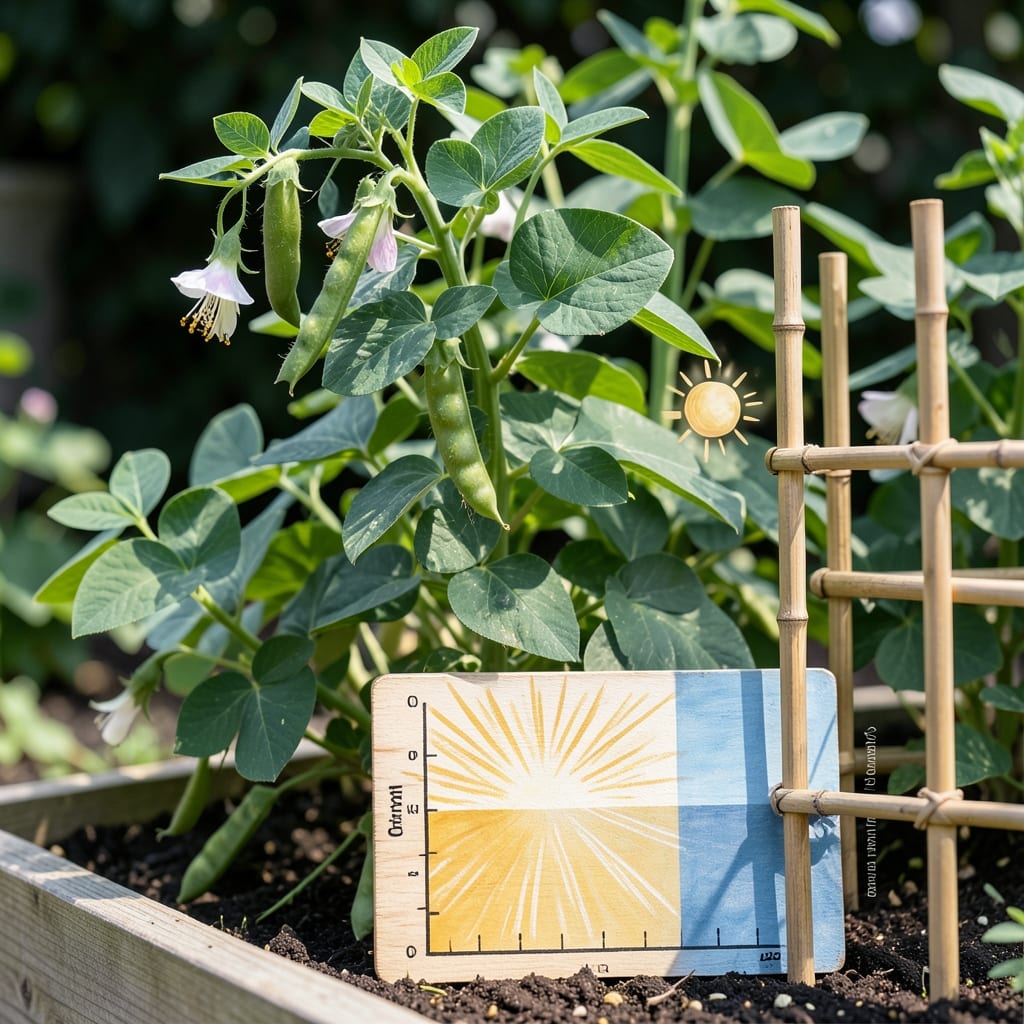
If you're wondering how much light does a peace plant need, you're not alone—many plant owners struggle with this balance. Your peace lily 🌿 thrives in conditions most homes naturally provide, but getting it just right makes all the difference between lush growth and crispy leaves.
The key is bright, indirect light—think of it as a gentle morning glow rather than harsh afternoon sun. Too little light, and your plant will droop or lose its vibrant leaves. Too much direct sunlight, and those beautiful leaves will develop unsightly brown tips. The good news? Peace lilies are forgiving, making them perfect for offices or dimmer corners.
In this guide, I’ll break down the exact light requirements your peace lily needs to flourish, including how to spot signs of over- or under-lighting. You’ll also discover simple ways to adjust lighting in your space, whether you’re dealing with a north-facing window or an office cubicle.
By the end, you’ll know exactly how to create the ideal environment for your peace lily—no guesswork required. Let’s get started!
 Best Window Placement
Peace lily light requirements: the ideal hours and intensity for healthy growth
Your peace lily 🌿 thrives in bright indirect light, but the exact amount can be confusing. Unlike sun-loving plants, peace lilies prefer 4-6 hours of filtered light daily, similar to the dappled shade under a canopy of trees. This means placing them near an east-facing window (gentle morning sun) or 2-3 feet from a north-facing window works perfectly. South or west windows can be too intense unless you diffuse the light with a sheer curtain.
The key is avoiding direct sunlight, which causes leaf burn. Look for yellowing leaves or brown tips—these are red flags. Yellowing often means too much light, while drooping leaves signal insufficient light. The good news? Peace lilies are adaptable, so they’ll survive in low-light offices or rooms with fluorescent lighting, though their growth may slow.
Seasonal adjustments matter too. In summer, when sunlight is stronger, move your plant further from windows or use a sheer curtain. In winter, when natural light dims, supplement with a simple LED grow light (more on this later) to maintain healthy growth. Even a few extra hours of artificial light can prevent leggy stems or sparse foliage.
Here’s a quick rule of thumb: If your peace lily’s leaves are dark green and glossy, it’s happy. If they’re pale or dusty, it needs more light. If they’re crispy or bleached, it’s getting too much direct sun. These visual cues are your plant’s way of communicating!
🌱 Peace Lily Light Requirements Summary
| Light Condition | Ideal Hours | Signs of Stress | Solution |
|---|---|---|---|
| Low Light | 2-4 hours | Drooping leaves, sparse growth | Move closer to a window or add grow light |
| Bright Indirect | 4-6 hours | Healthy dark green leaves | Perfect! No changes needed |
| Direct Sunlight | >6 hours | Brown tips, crispy edges | Move to indirect light or diffuse sunlight |
Understanding your home’s light dynamics is half the battle. For example, a north-facing window provides consistent, gentle light year-round, making it the ideal spot. If you only have a south-facing window, place your peace lily at least 5 feet away or use a light-filtering screen to mimic indirect conditions. Even a rotating schedule—moving the plant a few inches daily—can help ensure even growth.
Artificial light can also bridge the gap, especially in offices or basements. A basic LED desk lamp with a cool white (5000K) bulb works in a pinch, but for long-term care, a dedicated grow light (like a 10W LED panel) provides the full spectrum needed. Position it 6-12 inches above the plant for 12-14 hours daily to mimic natural light cycles. This is especially useful in winter months when daylight is scarce.
Pro tip: Rotate your peace lily quarter-turn every 2 weeks. This prevents uneven growth toward the light source—a common issue in indoor plants. Even a small adjustment ensures your plant grows symmetrically and avoids that "lopsided" look. Think of it as a gentle nudge toward balanced beauty!
Finally, don’t overlook the humidity factor. Peace lilies love moderate humidity (40-50%), which complements their light needs. If your home is dry (common with indoor heating), pair your lighting adjustments with a pebble tray or humidifier near the plant. This combo—right light + humidity—keeps your peace lily thriving year-round.
Now that you’ve got the light requirements nailed down, let’s tackle common light-related problems—like yellowing leaves or leggy stems—and how to fix them easily. Stay tuned for actionable tips to keep your peace lily looking its best! 🌿
How to adjust light for peace lilies: fixing common light-related problems
If your peace lily 🌿 is showing signs of stress—like drooping leaves or brown tips—it’s likely a light issue. The good news is these problems are usually easy to fix with a few simple adjustments. Start by identifying the specific issue: yellowing leaves often mean too much direct light, while pale, sparse growth signals insufficient light. Once you spot the problem, you can take targeted action to restore your plant’s health.
For underlighted peace lilies, move the plant closer to a window or supplement with a grow light. Place it within 2-3 feet of an east-facing window for gentle morning light, or use a 10W LED grow bulb 6-12 inches above the plant for 12-14 hours daily. This mimics natural light cycles and prevents leggy stems or stunted growth. If you’re in an office with fluorescent lighting, rotate the plant quarter-turn weekly to ensure even exposure.
⚠️ Warning: Avoid These Light Mistakes!
Placing your peace lily in direct afternoon sun (south or west windows) can cause leaf burn. Even a few hours of harsh sunlight will lead to brown, crispy edges—a sure sign of overlighting. If this happens, move the plant further from the window or add a sheer curtain to diffuse the light. For severe cases, trim the damaged tips with clean scissors and monitor for new growth in indirect light.
Seasonal changes also affect your peace lily’s light needs. In summer, when sunlight is intense, place the plant further from windows or use a light-filtering screen. In winter, when natural light dims, introduce a simple LED desk lamp (cool white, 5000K) for 8-10 hours daily. This prevents winter dormancy and keeps your plant thriving. Pro tip: Group plants together—they create a microclimate that retains humidity and light, benefiting all your greenery!
If your peace lily develops brown tips, it’s often a combination of low humidity and too much light. Pair your lighting fixes with a pebble tray filled with water and pebbles beneath the pot. This increases humidity around the plant, mimicking its tropical habitat. Avoid misting the leaves directly—it can cause fungal issues—but keep the air around the plant moist for optimal health.
For offices or basements with minimal natural light, invest in a dedicated grow light. A 10-15W LED panel with full-spectrum bulbs (2700K-6500K) is ideal. Position it 6-12 inches above the plant and set a timer for 12-14 hours daily to simulate daylight. This is especially critical in northern climates or during short winter days, where natural light is scarce.
Finally, don’t forget to rotate your plant every 2 weeks. This ensures even growth and prevents lopsided development toward the light source. A simple quarter-turn keeps your peace lily symmetrical and vibrant. Combine this with the right light conditions, and you’ll have a thriving, low-maintenance houseplant that brightens any space! 🌱