
Light Requirements
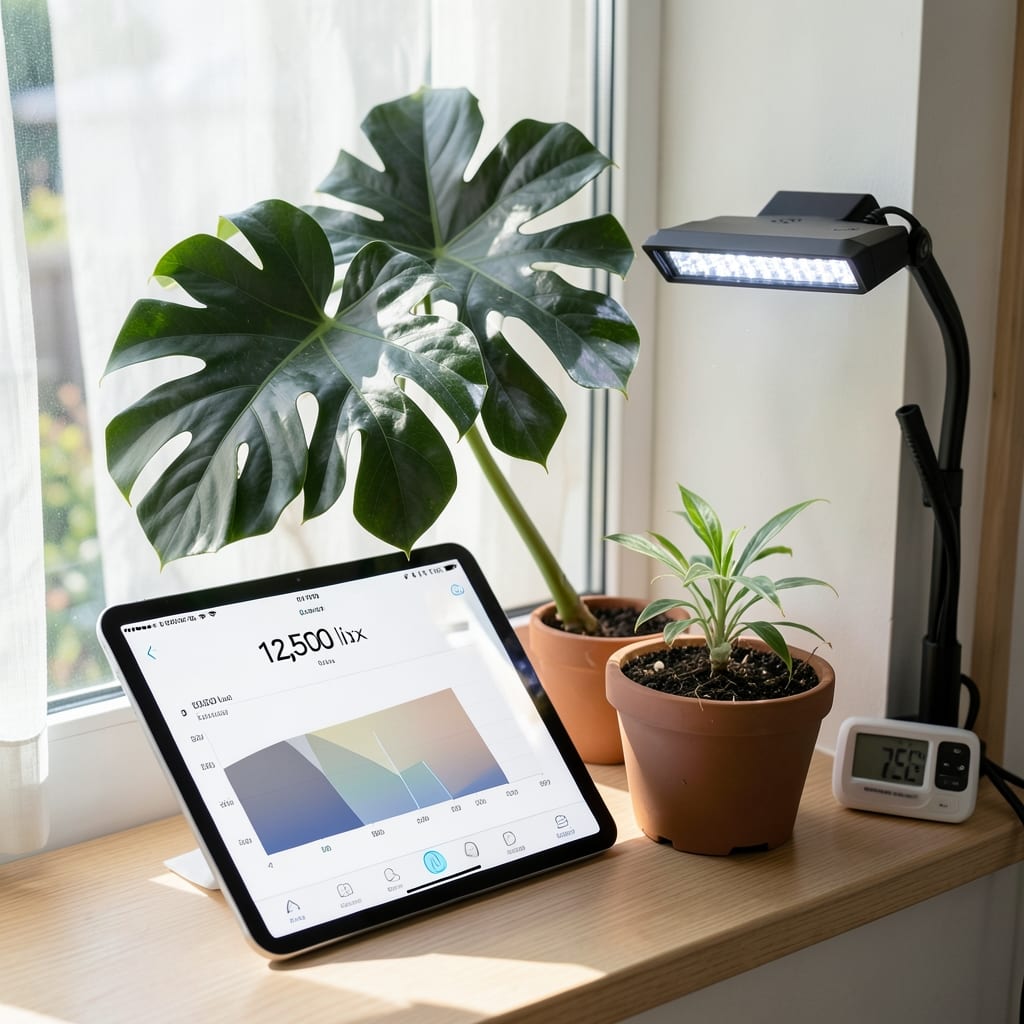
Philodendron light requirements: the 3 brightness zones (and how to spot the wrong spot)
Philodendrons are famously adaptable, but their light needs create the biggest divide between a thriving vine and a struggling survivor. Most varieties—like the classic heartleaf philodendron—thrive in low to bright indirect light, but variegated types (think Philodendron 'White Knight') demand slightly more brightness to maintain their stunning patterns. Understanding these three brightness zones will help you place your plant where it belongs.
First, let’s debunk a myth: philodendrons don’t need direct sunlight. In fact, harsh afternoon rays can scorch their leaves, turning them crispy or bleached. Instead, think of them as forest-floor plants—they’re used to dappled light filtering through canopy leaves. This means your goal is to mimic that natural environment as closely as possible in your home.
Here’s the key: bright indirect light is their sweet spot. This is the light you’d find 2-3 feet away from an east- or north-facing window, where sunlight is gentle and diffused. South-facing windows can work too, but only if you add a sheer curtain to soften the intensity. West-facing windows? Avoid them entirely unless you’re willing to supplement with artificial light.
Now, let’s talk about the three brightness zones and what each means for your philodendron’s health. The table below breaks down the ideal conditions, signs of stress, and how to adjust your setup. Pay close attention to the leaf color and growth rate—these are your plant’s way of communicating!
| Brightness Zone | Light Source | Ideal Placement | Leaf Color | Growth Rate | Variegated Variety Note |
|---|---|---|---|---|---|
| Low Light | North-facing window or 10+ feet from any window | Survival zone—only for heartleaf types | Dark green, small leaves | Slow, leggy growth | Variegation fades to solid green |
| Medium Light | East-facing window or 3-5 feet from north window | Sweet spot for most philodendrons | Rich green, medium-sized leaves | Moderate, bushy growth | Variegation stays vibrant |
| High Light | South-facing window without curtain or strong artificial grow light | Risky—only for short periods | Yellow/brown patches or bleached areas | Stunted or crispy leaf edges | Variegation burns out |
If your philodendron is in the low-light zone, you’ll notice its leaves becoming smaller and spaced farther apart—a classic sign of etiolation (when a plant stretches toward light). This is especially problematic for variegated varieties, which may lose their stunning patterns entirely. To fix this, rotate your plant quarter-turn weekly to encourage even growth, and consider supplementing with a low-intensity LED grow light for 6-8 hours daily.
On the flip side, if your plant is in the high-light zone, watch for crispy brown edges or bleached patches—these are clear signs of sunburn. Move it back immediately and trim the damaged leaves with sterilized scissors. For south-facing windows, use a sheer white curtain to diffuse the light without blocking it entirely. Pro tip: If you notice new leaves are smaller than old ones, that’s another red flag your plant is struggling with light stress.
For variegated philodendrons, the stakes are even higher. These plants need more light to maintain their striking patterns, but they’re just as sensitive to direct sun. Place them 1-2 feet closer to the window than you would a heartleaf variety, but always with indirect light. If the white or yellow variegation starts turning green, it’s a cry for more brightness—just not direct rays.
One last tip: Monitor your plant’s response for at least 4-6 weeks after moving it. Philodendrons are resilient, but they need time to adjust. If you see new growth with healthy color and size, you’ve nailed the perfect spot. If not, tweak the location incrementally—small changes make a big difference over time.
Remember, the goal isn’t perfection—it’s creating a consistent environment where your philodendron can thrive without constant stress. With these brightness zones as your guide, you’ll be well on your way to growing a lush, happy vine that’s the envy of every plant lover.
How to adjust your home’s lighting for philodendron success (even in low-light spaces)
Not every home has an ideal east-facing window, but that doesn’t mean your philodendron is doomed to survive in the shadows. With a few strategic adjustments, you can create the perfect microclimate for your plant—whether you’re dealing with dim offices, south-facing glare, or even apartment balconies. The key is understanding how to supplement natural light and optimize placement for your specific space.
Start by assessing your home’s natural light patterns. Most philodendrons do best with 2-4 hours of indirect light daily, but if your space gets less than that, don’t panic. Instead, focus on maximizing what you have. For example, a north-facing window provides consistent, gentle light—perfect for heartleaf varieties. If your plant is near one, position it 2-3 feet away to avoid direct rays while still benefiting from the soft glow.
Here’s where artificial lighting becomes your best friend. LED grow lights designed for houseplants are affordable and easy to use. For philodendrons, a 6-8 hour daily exposure to a low-intensity grow light (like a 10W LED bulb) can mimic the medium-light zone even in the darkest corners. Place the light 6-12 inches above the plant and use it during the day to avoid disrupting natural sleep cycles. Pro tip: Adjust the height weekly—closer for dimmer spaces, farther for brighter areas.
💡 3 Quick Fixes for Low-Light Spaces
- Rotate your plant weekly to ensure even growth when light is limited.
- Use a reflective surface (like a white wall or mirror) to bounce light toward your philodendron.
- Choose a variegated variety like 'White Knight'—they need more light but can handle brighter conditions than heartleaf types.
If your philodendron is in a south-facing window, the challenge shifts to filtering harsh light. Direct sun can turn leaves crispy within days, so invest in a sheer white curtain to diffuse the rays without blocking them entirely. For extra protection, place your plant 4-5 feet back from the window and supplement with a low-light grow bulb in the evening to extend daylight hours. This hybrid approach keeps your plant happy without sacrificing natural light.
For variegated philodendrons, which need slightly more light to maintain their patterns, consider creating a two-tiered setup. Place the plant near a west-facing window in the morning (gentle light) and move it to a north-facing window in the afternoon to avoid the harshest rays. Alternatively, use a dimmable LED grow light on a timer to simulate natural light cycles. Remember, variegated leaves are like tiny solar panels—they need brightness to stay vibrant, but they’ll burn if exposed to direct sun.
Don’t forget about seasonal adjustments. In winter, when daylight hours shrink, your philodendron may need extra help. Extend its light exposure by 1-2 hours daily using a grow light, or rotate it closer to the window. Conversely, in summer, watch for longer daylight hours and adjust placement to prevent overheating. A simple trick: If new leaves are smaller than old ones, it’s a sign your plant needs more light or a break from intense afternoon sun.
Finally, think outside the window. Indoor plant stands or shelves near skylights can elevate your philodendron to the perfect light level. Even a well-lit bathroom with a north-facing window can work—just avoid drafts from heating or cooling vents. With these tweaks, you’ll turn even the trickiest spaces into a philodendron paradise. The goal isn’t to replicate a jungle canopy—it’s to give your plant the consistent, gentle light it craves to grow lush and strong.