
Companion Plants
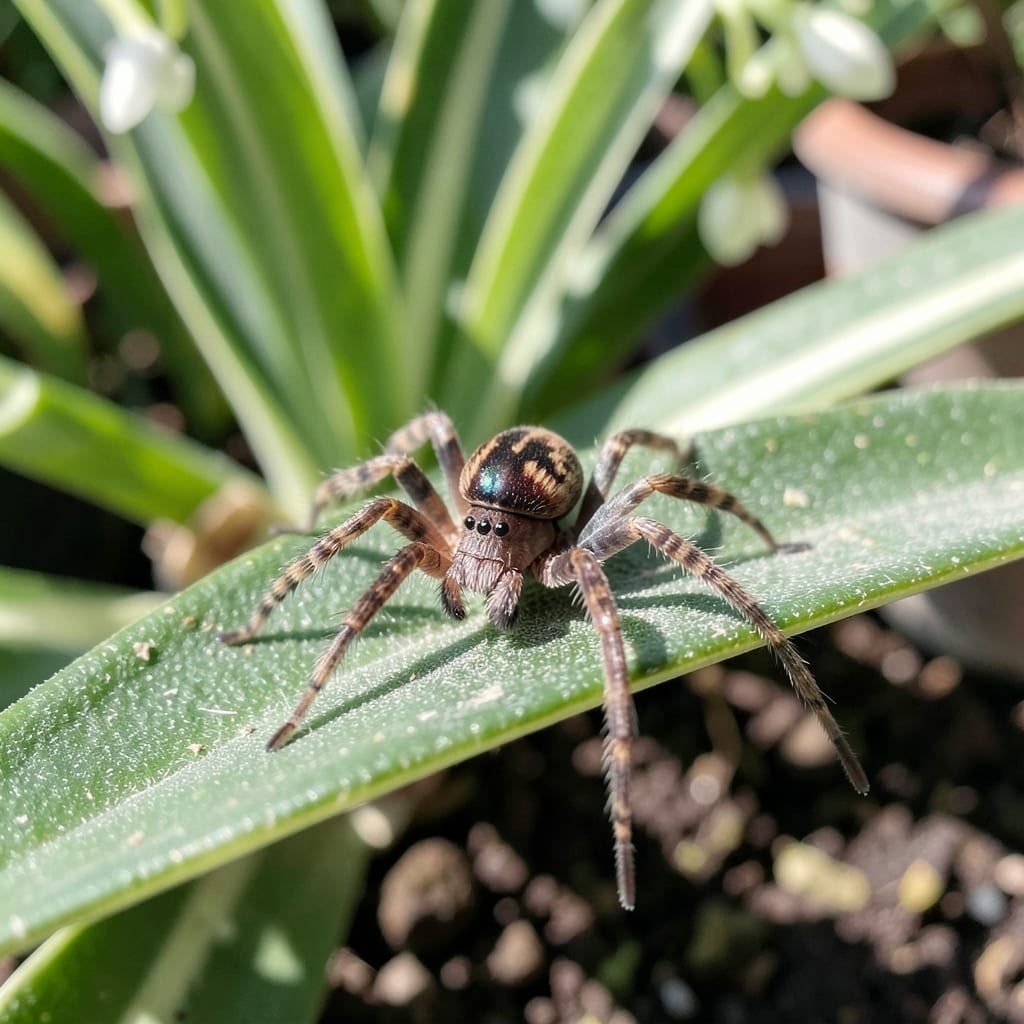
If you've ever wondered how much light does a spider plant require, you're not alone—these plants are famous for surviving where others fail. The truth? 🕷️ Spider plants are masters of adaptability, thriving in everything from dim corners to bright, airy spots. But here's the catch: getting the balance right makes all the difference between lush, vibrant growth and a struggling, sad-looking plant.
Most people assume these hardy plants need tons of sunlight, but that couldn't be further from the truth. In fact, they prefer bright indirect light, which means placing them near an east-facing window where they can soak up gentle morning rays without the harsh midday glare. This setup mimics their natural habitat under the dappled light of trees, and it’s why they’re such popular choices for offices and low-light homes.
What happens when you get the lighting wrong? Too little light, and you’ll notice leggy growth or pale, weak leaves. Too much direct sun, and those beautiful striped patterns will fade to a sad, solid green. The good news? Fixing it is easier than you think—just a simple adjustment in placement can turn things around. I’ll show you exactly how to spot the signs and make the perfect tweaks for a thriving 🕷️ spider plant.
Ready to unlock the secret to keeping your spider plant happy and healthy? Let’s dive into the ideal light conditions and how to create them, no matter where you live or what your space looks like.
 Best Window Placement
Spider plant light requirements: ideal zones for optimal growth
Understanding how much light does a spider plant require starts with recognizing its natural adaptability. While these plants are famously low-maintenance, they do have preferences that, when met, result in vibrant foliage and healthy growth patterns. The key is providing bright indirect light, which mimics their native habitat under forest canopies where sunlight filters through leaves.
Most spider plants thrive with 4-6 hours of bright indirect light daily. This means placing them near an east-facing window or a few feet back from a west-facing window, where they receive gentle morning or late afternoon sun without harsh afternoon rays. South-facing windows can work too, but only if the plant is positioned 3-5 feet away to diffuse the intensity.
Here’s the breakdown of what your spider plant needs based on light exposure:
| Light Zone | Daily Light Hours | Foliage Impact | Ideal Placement |
|---|---|---|---|
| Bright Indirect | 4-6 hours | Striped patterns, lush green leaves | East/west windows, 2-3 ft away |
| Medium Indirect | 2-4 hours | Slower growth, less vibrant stripes | North windows, 1-2 ft from light |
| Low Light | <1-2 hours | Leggy growth, pale leaves | Dim corners, away from windows |
🌱 Pro Tip: Rotate your plant weekly to ensure even growth and prevent leaning toward light sources.
If you notice your spider plant’s variegated stripes fading to solid green, it’s a clear sign it’s craving more light. Conversely, if the leaves develop brown tips or crispy edges, it’s likely getting too much direct sunlight. The good news? Spider plants are forgiving—even if you’ve over- or under-exposed them, adjusting their placement can often reverse these issues within a few weeks.
For those living in apartments with limited natural light, don’t despair. Spider plants can tolerate artificial grow lights placed 6-12 inches above the plant for 12-14 hours daily. LED grow lights with a 5000-6500K color temperature are ideal for mimicking natural sunlight and encouraging healthy growth patterns.
Outdoor enthusiasts might wonder if spider plants can handle direct sunlight. While they can survive brief periods outside in partial shade, prolonged exposure to harsh sun will scorch their leaves. If you’re growing yours outdoors, opt for morning sun only or provide afternoon shade with a sheer curtain or lattice structure.
One often-overlooked factor is how seasonal light changes affect your spider plant. During winter, when daylight hours shrink, you may need to supplement with a grow light or move the plant closer to a window. Conversely, in summer, watch for intense afternoon sun and adjust placement accordingly to avoid leaf burn.
Remember, the goal isn’t perfection—it’s creating an environment where your spider plant feels comfortable and thriving. With the right light balance, you’ll be rewarded with long, arching stems and those coveted striped leaves that make this plant a standout in any collection. 🌿
Signs of too much or too little light (and how to fix it)
Your spider plant might look fine at first glance, but subtle clues reveal whether it’s getting the right amount of light. One of the first signs of insufficient light is leggy growth, where stems stretch unnaturally toward the nearest light source. This happens when your plant is reaching for more brightness, often seen in dim corners or behind other plants blocking light. The leaves may also become pale or washed-out, losing their signature striped patterns as the plant struggles to produce chlorophyll efficiently.
On the flip side, too much direct sunlight causes distinct stress symptoms like brown leaf tips or crispy edges, especially on older leaves. You might also notice yellowing between the veins, a classic sign of sunburn. In extreme cases, the variegated stripes fade completely to solid green as the plant’s energy shifts toward protecting itself from harsh light. These issues often start on leaves closest to the light source, giving you a clear clue about placement problems.
🌱 Too Little Light
- ❌ Leggy stems stretching toward light
- ❌ Pale, weak leaves losing variegation
- ❌ Slow growth or sparse foliage
✅ How to Fix It
- ✅ Move to brighter indirect light (east/west window)
- ✅ Use a reflective surface (mirror behind pot)
- ✅ Add a grow light 6-12" above for 12 hours/day
🌞 Too Much Light
- ❌ Brown crispy tips on leaf edges
- ❌ Yellow patches between veins
- ❌ Faded variegation turning solid green
✅ How to Fix It
- ✅ Move 3-5 feet away from south windows
- ✅ Use a sheer curtain to diffuse sunlight
- ✅ Rotate plant quarter-turn weekly for even exposure
Don’t panic if you spot these signs—spider plants are remarkably resilient! The key is acting quickly. For underlit plants, gradually move them closer to light over 1-2 weeks to avoid shocking them. If your plant is sunburned, trim the damaged leaves with clean scissors and adjust placement immediately. The new growth will bounce back within 4-6 weeks with proper care.
Seasonal changes can also trick you into misdiagnosing light issues. During winter, when natural light dims, your spider plant might show signs of light deprivation even in its usual spot. Conversely, summer’s intense afternoon sun can cause sudden browning if your plant wasn’t previously acclimated. I recommend testing light exposure by placing a white piece of paper near your plant—if the shadows are sharp and dark, it’s getting too much direct light.
For extra peace of mind, try this simple DIY light test: Place your spider plant in its current spot for a week, then observe the leaves facing the light source. If they’re cupped or curled, it’s a sign of too much intensity. If they’re flat and pale, it needs more brightness. Adjust incrementally—spider plants respond best to gradual changes rather than sudden moves from dim corners to bright windows.
Remember, even the most experienced plant parents occasionally misjudge lighting. The beauty of spider plants is their ability to recover once you correct the conditions. With these visual cues and fixes, you’ll be able to keep your plant’s foliage lush and vibrant year-round—no guesswork required. 🌿