
How To
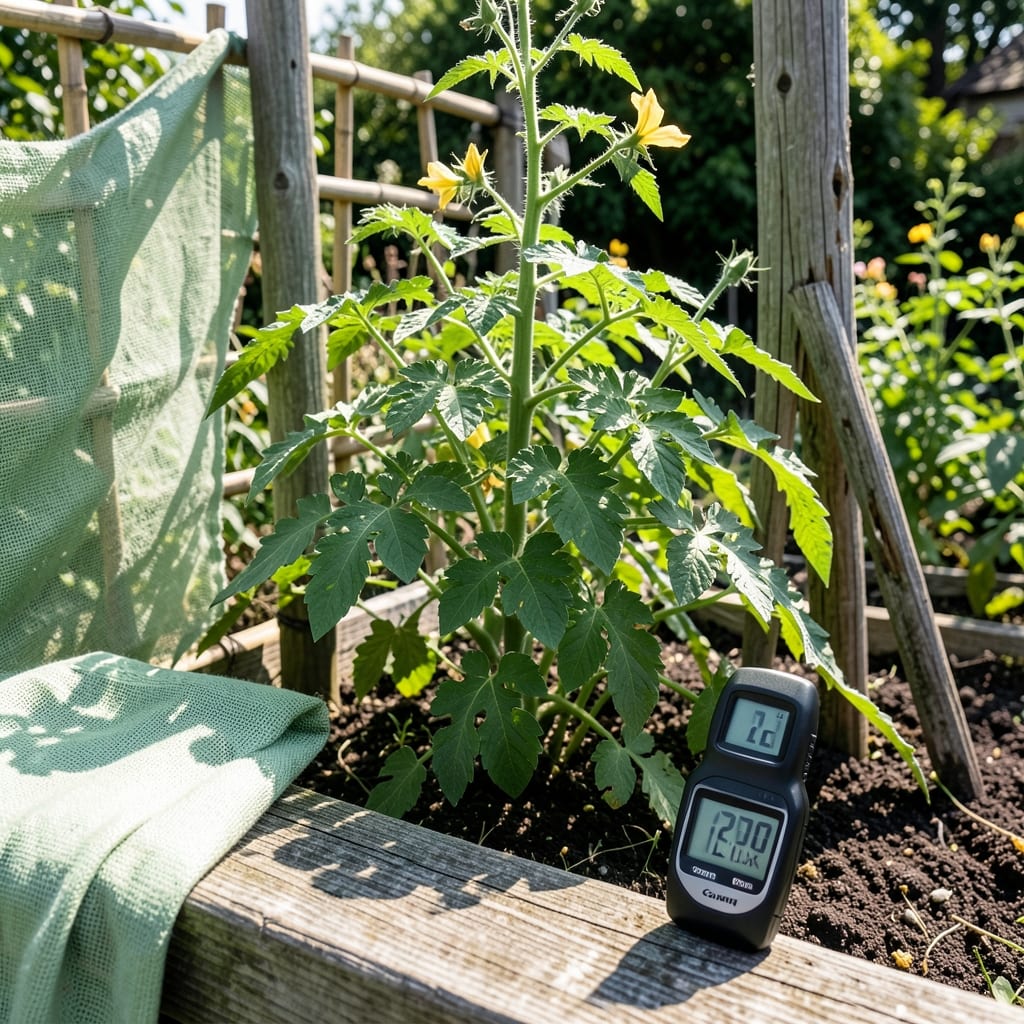
If your 🍅 plants are struggling to thrive, the culprit might be simpler than you think—how much light does a tomato plant need to produce those juicy, vine-ripened fruits? The answer isn’t just "full sun" (though that’s a great start), but a precise balance that changes as your plants grow.
Tomatoes are sun-worshippers, but too little light leads to leggy stems and poor fruit set, while too much can scorch leaves before harvest. In zone 6a, where spring planting kicks off in April, understanding the 6–8 hours of direct sunlight rule is your first step to a bountiful harvest. Whether you’re growing in containers or garden beds, getting this right makes all the difference.
What you’ll discover here is how sunlight needs shift from seedlings to flowering to fruiting stages—and how to adjust placement or use shade cloth to protect your plants without sacrificing growth. No more guessing whether your tomatoes are getting just enough light or if they’re begging for more.
Let’s break down the sunlight secrets so your tomato plants get the perfect glow, every day of their June–October growing season.
 Best Window Placement
Tomato plant sunlight requirements by growth stage: full sun vs partial shade
Tomatoes are sun-loving plants that need consistent light to thrive, but their requirements change dramatically from seedling to fruiting stage. Most gardeners assume "full sun" means 8+ hours daily—but that’s only part of the story. The real magic happens when you match sunlight to your plant’s current needs, whether it’s a tiny seedling or a heavy-fruited vine.
For seedlings (weeks 1–4), 4–6 hours of bright, indirect light is ideal. This prevents leggy growth while protecting tender leaves from scorching. Once transplanted outdoors in April–May (after last frost), your plants will crave more. Here’s where the 6–8 hours of direct sunlight rule kicks in—critical for flowering and fruiting.
During peak summer months (June–August), tomatoes in zone 6a can handle up to 10 hours of sun, but afternoon shade helps prevent leaf burn. Evenings with gentle sunlight (like 6–8 PM) extend the growing window, boosting photosynthesis without stress.
Mature plants with heavy fruit loads (August–October) may need partial afternoon shade (30–50%) to prevent sunscald. This is especially true for ripening tomatoes—excess heat can turn them mealy or split, ruining your harvest.
| Stage | Sunlight Needs | Key Notes |
|---|---|---|
| Seedlings (Weeks 1–4) | 4–6 hours bright light | Use grow lights if indoors; avoid direct midday sun. |
| Transplant to Garden (April–May) | 6–8 hours direct sun | Acclimate gradually to avoid shock; south-facing beds ideal. |
| Flowering (June–July) | 8+ hours full sun | Morning sun + afternoon shade prevents leaf burn; pollinators need warmth. |
| Fruiting (August–October) | 6–8 hours (partial shade OK) | 30–50% shade cloth protects ripening fruit; extend harvest season. |
| Container Tomatoes | 6–8 hours (rotate pots) | Move containers to follow sun; south-facing balconies work best. |
Partial shade isn’t always bad—it’s a strategic tool for hot climates or high summer temps. In zone 6a, afternoon shade (especially in July–August) can double your harvest by preventing sunscald. Use 30–50% shade cloth to filter harsh rays while keeping enough light for photosynthesis.
Container tomatoes often get overlooked, but they face the same sunlight rules. If your patio or balcony only gets 4–5 hours of sun, supplement with a reflective surface (like white walls) to bounce extra light onto your plants. Rotate containers weekly to ensure even growth.
One common myth is that all tomatoes need 8+ hours of sun. While true for most varieties, cherry tomatoes and bush types can thrive with 6 hours if given afternoon shade. The key is consistency—tomatoes hate sudden light changes, which cause stress and poor fruit set.
Pro tip: Monitor your plants’ shadow length at solar noon. If the shadow is longer than the plant itself, you’re likely in the 6–8 hour range. For full sun lovers, aim for shadows shorter than the plant height by midday.
🌱
Tomato plant sunlight requirements by growth stage: full sun vs partial shade
Tomatoes are sun-hungry plants, but their light needs change dramatically from seedling stage to fruit production. While most gardeners assume "full sun" means 8+ hours daily, the truth is more nuanced—especially in zone 6a, where early spring and late summer sunlight varies. Understanding these shifts helps you avoid leggy seedlings or sunburned leaves before harvest.
Here’s the sunlight breakdown by growth phase, including how partial shade affects yield and plant health. Think of it as your tomato plant’s light prescription, adjusted for your garden’s microclimate.
| Growth Stage | Sunlight Needs | Partial Shade Notes | Key Risks |
|---|---|---|---|
| Seedlings (0–3 weeks) | 4–6 hours indirect light | Too much sun causes leaf scorch; use shade cloth if needed. | Leggy growth, weak stems |
| Transplant to Garden (3–6 weeks) | 6–8 hours direct sunlight | Gradually acclimate to full sun over 7–10 days. | Transplant shock, poor root establishment |
| Flowering (6–8 weeks) | 8+ hours full sun (critical) | <6 hours causes poor pollination and blossom drop. | Fewer fruits, small tomatoes |
| Fruiting (8+ weeks) | 6–8 hours direct (afternoon shade helps) | Use 30–50% shade cloth in peak summer heat. | Sunburned leaves, cracked fruit |
Most gardeners assume "full sun" means uninterrupted sunlight, but tomatoes actually benefit from afternoon shade in hot climates (like zone 6a’s July–August). This prevents leaf scorching while maintaining fruit production. For container gardens, rotate pots weekly to ensure even light exposure on all sides.
If you’re planting in partial shade (e.g., under trees or a north-facing wall), expect 20–30% lower yields. Varieties like ‘Sungold’ or ‘Cherry Roma’ tolerate shade better than heirlooms like ‘Brandywine’, which demand full sun.
Pro tip: Use a light meter or observe your garden’s sun patterns. If nearby plants cast shadows for more than 2 hours daily, your tomatoes won’t reach their potential—even with the best soil and watering.